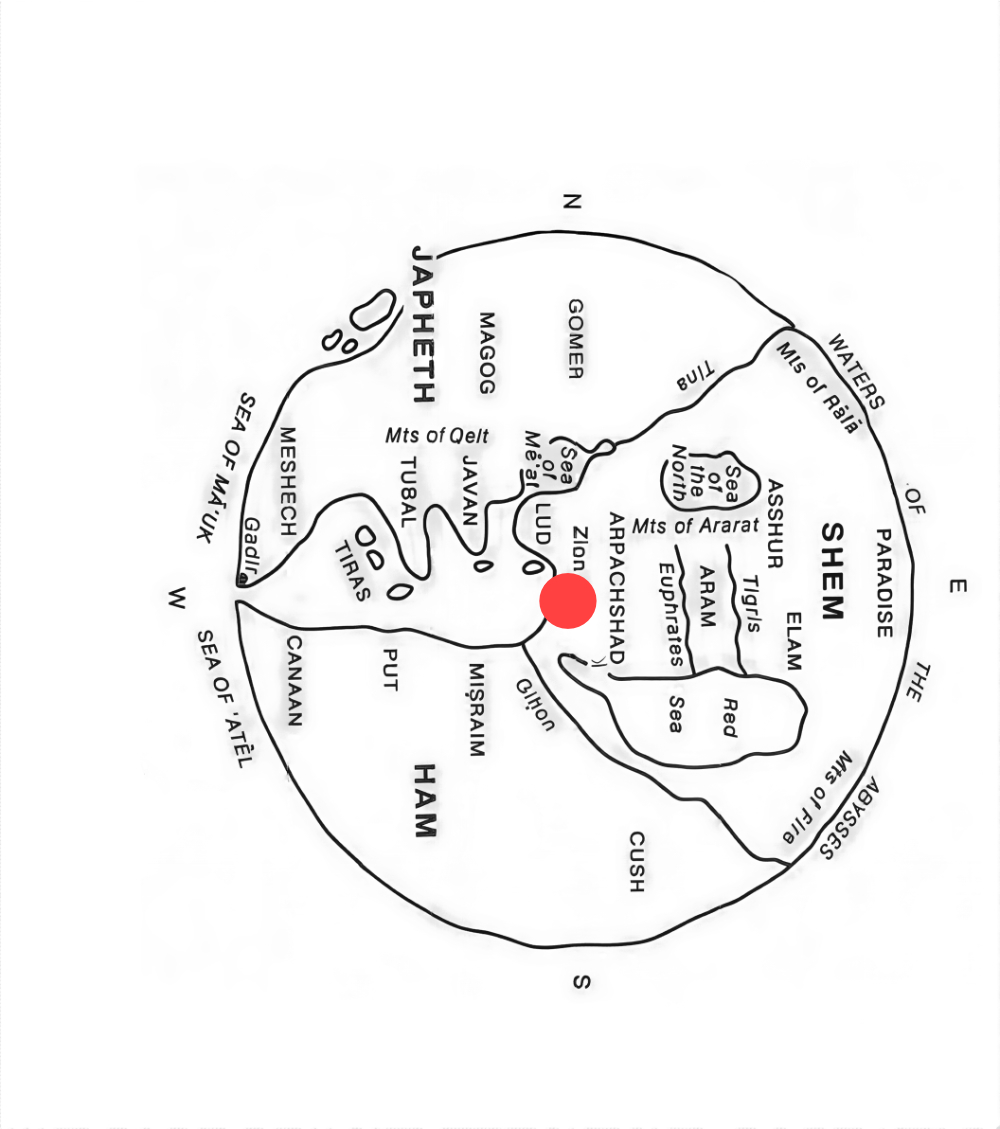
The areas around Rome were inhabited by the Latins and Etruscans before the city was established. However, genetics shows that they were related to the populations that later moved into the territory and helped build what would become the Roman Empire. Genetic analysis shows that much of Western Europe is descended from the same founding families. There is a biblical explanation for this.
The Bible explains that some of Japhet’s sons first moved along the coast:
“The sons of Japheth; Gomer, and Magog, and Madai, and Javan, and Tubal, and Meshech, and Tiras. And the sons of Gomer; Ashkenaz, and Riphath, and Togarmah. And the sons of Javan; Elishah, and Tarshish, Kittim, and Dodanim. By these were the isles of the Gentiles divided in their lands; every one after his tongue, after their families, in their nations.(Gen 10:2-5)
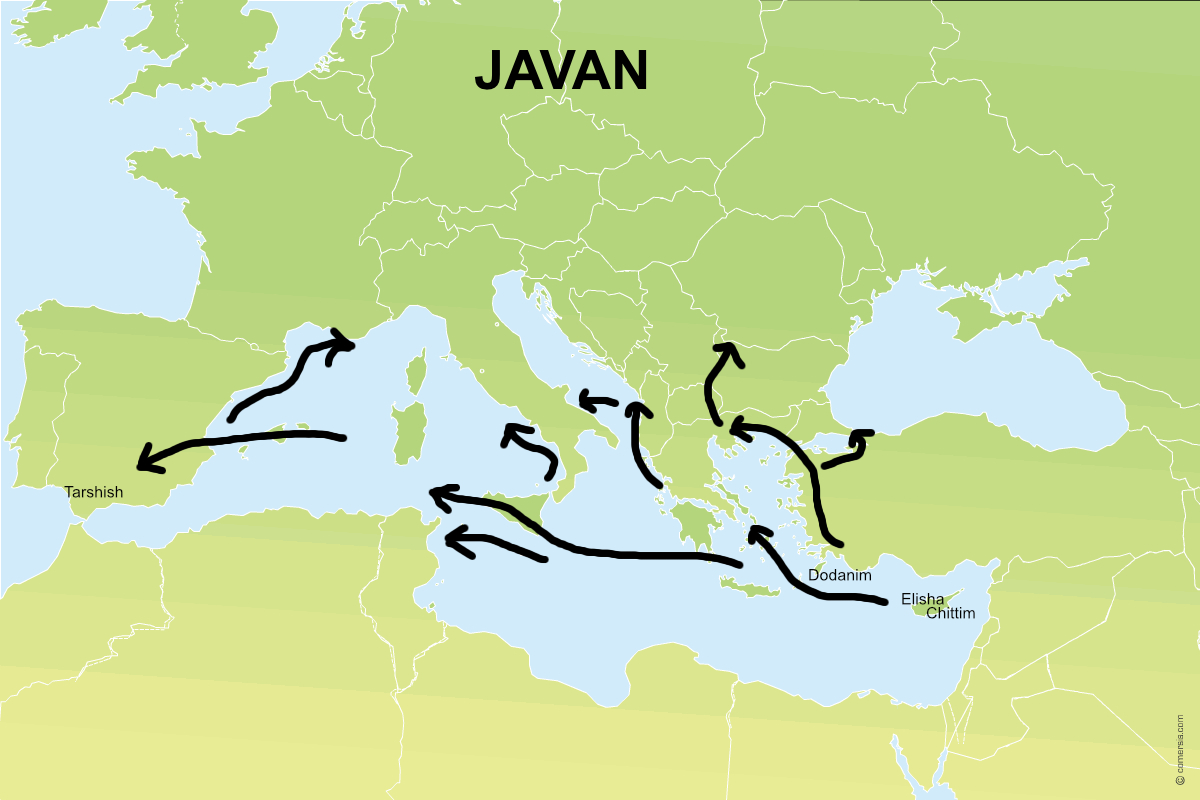
Another Jewish historical book found among the Dead Sea Scrolls, called the Book of Jubilees, explains in more detail how they divided the land of Japheth. Javan’s sons were to receive the first land area westward, along with its islands, which are today known as Greece and the Balkans. The Bible consistently uses the word Javan for the Greeks in the original manuscripts, and they are among the most frequently mentioned tribes of Japheth because of their close proximity to Israel and the Middle Eastern nations in Biblical times. Through them, the Western Europeans traded with the Middle East
Several of Japheth’s sons had cities named after them. His sons’ names were Elisha, Chittim, Dodanim, and Tarshish. It is well known in ancient history that the island we now call Cyprus was once called Elisha; the city now called Larnaca was then called Chittim, and Tarshish, although still not found, was frequently mentioned in the Bible as a major trading port in cooperation with Israel’s enemies. Most Bible scholars accept that the biblical Tarshish was located in the area of Gadir, Spain. Dodanim was the name for the island of Rhodes. The population grew and stretched westward.
Japhet’s sons moving along the Mediterranean coast is not only biblical but found in several ancient writings.
It’s unknown how far they spread beyond what the Bible tells us. Europeans are a mix of people from all the Japhetic tribes today (Including Shem and Ham in lower numbers). Because of displacement, conquest, and migrations within the European continent. There is no “pure” Javanite race.
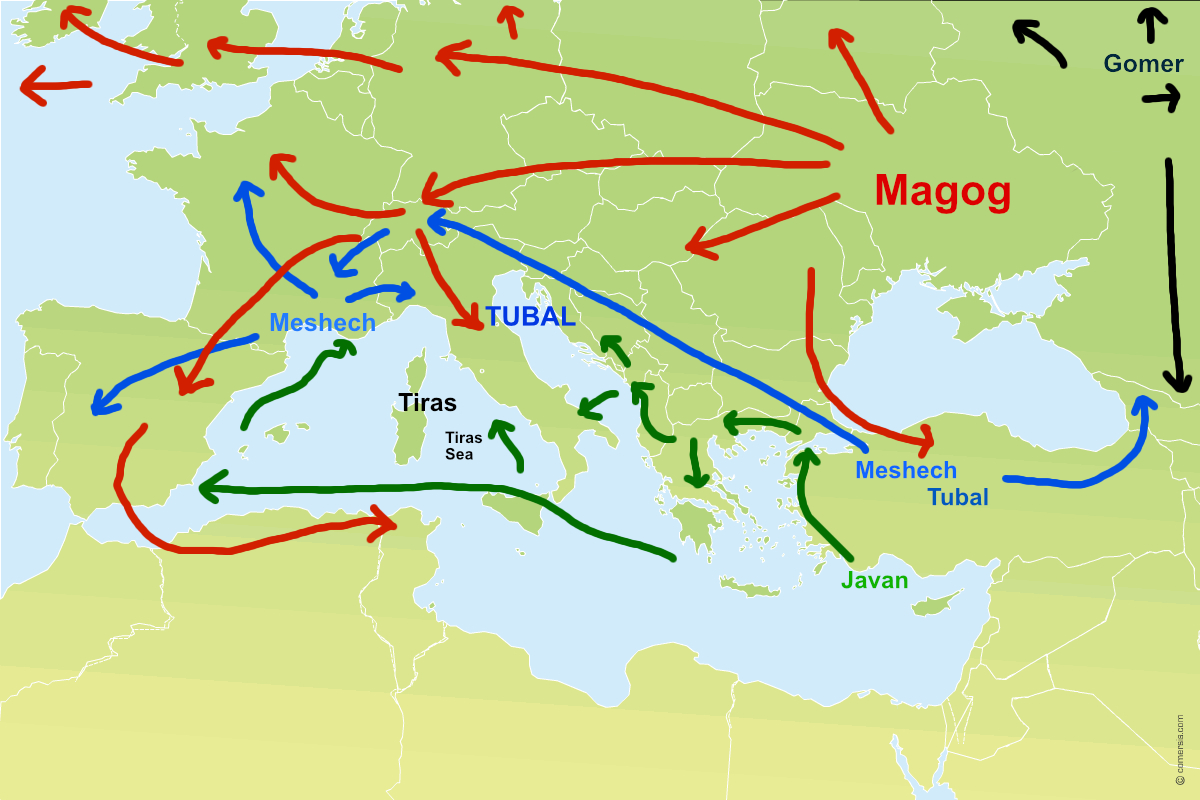
The Book of Jubilees further explains that Japheth’s other sons, Tubal and Tiras, received what we now call Italy and the Tyrrhenian Islands. The name Tyrrhenian Sea, still used today, derives from the people of Tiras, called the Tyrrhenians by the Greeks (Hesiod, 8th century BCE). Meshech’s area is now known as Southern France towards Spain. Among the people living there were the Ligurians, and it is generally believed that, when the Greeks founded Massalia (Marseille), the name was taken from the local language, as it lacks a convincing Greek etymology. The name therefore was likely a Greekification of the local name. Greeks often Greekified endings in their place names and regions. But it’s worth noting that by the 8th century BCE, many tribes of Meshech were spread across the region, not just the one in southern France.
Japhet’s son Gomer moved northward, and Magog north of the black sea to the west of Gomer. The north-west coast was originally given to Japhet’s son, Medai, who, according to the script, declined and stayed in the Middle East, making way for the southern tribes to move north as well, together with Magog, who could then expand westward. Mixing especially the tribes of Tubal and Meshech with Magog, making them a blend of the people of Western and North-West Europe. After the time of Christ, many theologians attempted to reinterpret the positions of Gomer and Magog as presented in the Book of Jubilees, often motivated by religious and political considerations. This reinterpretation gained traction during the Middle Ages and was adopted by both Catholic and Jewish scholars, reshaping traditional understandings of their roles and locations.
The placement of Japhet’s sons Gomer and Magog is of great significance because Magog, as Mesech and Tubal’s “chief prince,” is mentioned as a key aggressor against God’s people and Jerusalem.
Popular interpretations of certain prophecies have led Jews and many Christians alike to place Magog only in Russia or as Russia, whereas the book of Jubilees places Magog in mid- and northern Europe more broadly.
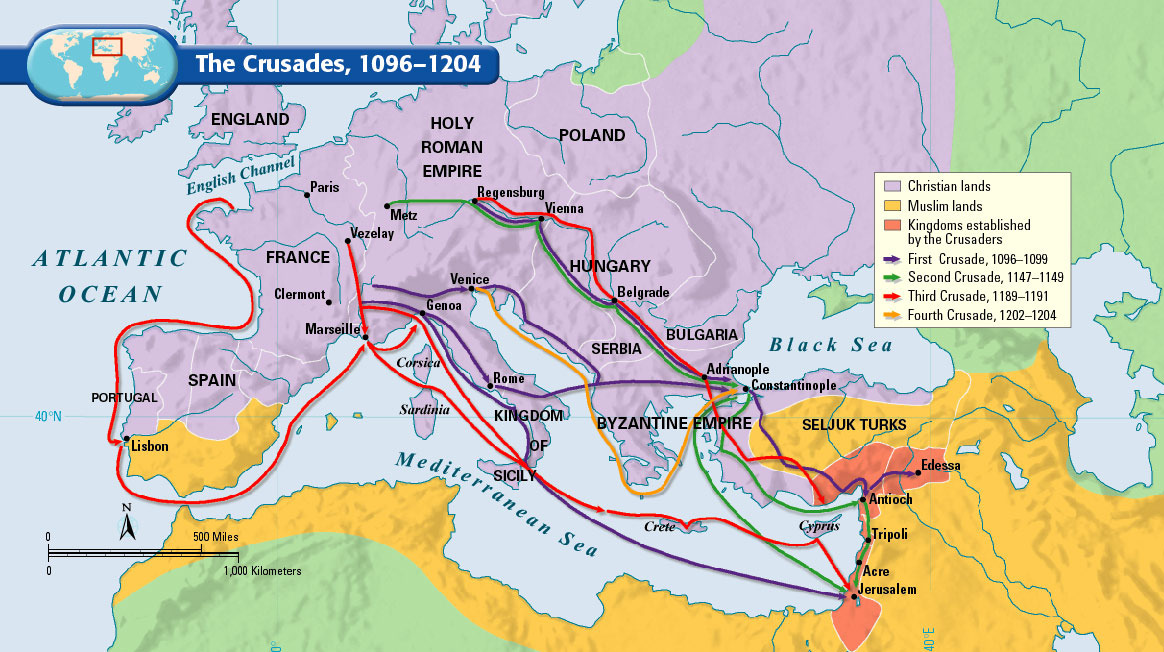
Naturally, as time progressed and Europe was considered the Christian capital of the world, the idea that they were Magog was opposed, despite several European nations having traditional historical records claiming descent from the tribes of Magog. For if the crusaders were descendants of Magog, it did not look good biblically that they were marching towards Jerusalem. After all, the bible was clear that Magog, Tubal, and Mesech coming against Jerusalem was against God’s will and not welcomed. But a simple switch from the old Jewish historical writing found in the Dead Sea Scrolls to new ideas solved this problem. The Bible also made it clear that God’s design was for the territory to be inhabited by the tribe of Shem, especially the Abrahamic tribes; even if Israel was scattered from the land, a remnant of Abraham would remain. Jesus confirmed that Christians would not have a kingdom of His on earth before His coming, rejecting the idea that God was sending Christians to conquer Jerusalem (Luke 17:20-37). So even if the tribes of Magog would become Christians, they still had no permission to seize Jerusalem.
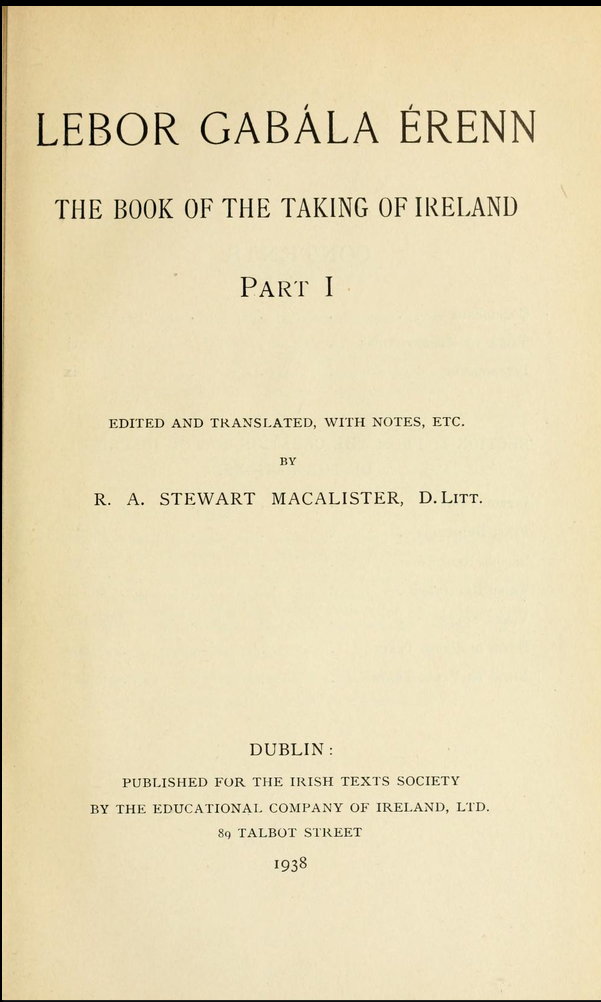
In Lebor Gabála Érenn (The Book of the Taking of Ireland), it, successive waves of settlers are described. Some historians in the past state that the Gaels and the Scythians are descendants of Magog. Partholón, Nemed, and Baath mac Magog are among the sons of Magog mentioned as stretching their borders to the western islands. Unfortunately, there are many versions found of the historical work, where names are altered. Therefore, it’s hard to use it as solid evidence of the legends. However, the version translated by R.A.Stewart Macalister says that from Magog’s grandsons three groups of people emerged: Negua → Vandals, Saxons, Lombards Airmen → Goths, Burgundians and others. Isicon → Romanus, Francus, Britus, Albanus “From Ibath are the Franks, Romans, Saxons, Britons, and Albanians.”
If these legends are derived from real history in the land, though many will argue against it because the stakes are so high, then the tribes of Magog came to the land of Mesech and Tubal, took part in establishing Rome. This does seem to harmonize with their genes coming “from the north” of Italy.
It also fits very well with Magog’s name not being mentioned in the Bible even once, since the people were scattered until the very time of Rome’s founding, in Ezekiel’s days. And here it is presented as a future threat, not a past one. Magog had lived in seclusion in the north, but its tribe would later become very dominant. It made several marches towards God’s land on many different occasions. In Revelation, they are described as leading a final war against God after a thousand years. Yet it is also worth noting that God sometimes mentions a name with a religion. Magog also represents a religion of defiance. And the clue to understanding this religion is to see its birthplace and where it spread: the territories of Magog. For if the historical records of the north are correct, three powerful religions emerged from Magog: Papism, Protestantism, and atheism. Atheism is perhaps the most widespread ideology of our day and age, and most certainly comes with an attitude of war against God. Is the war of Magog a spiritual war, a physical war, or both? Is it the first one, then the other? Is it in the future, in the past, or present? And we will look into all of this in coming chapters.
Rome’s genetics
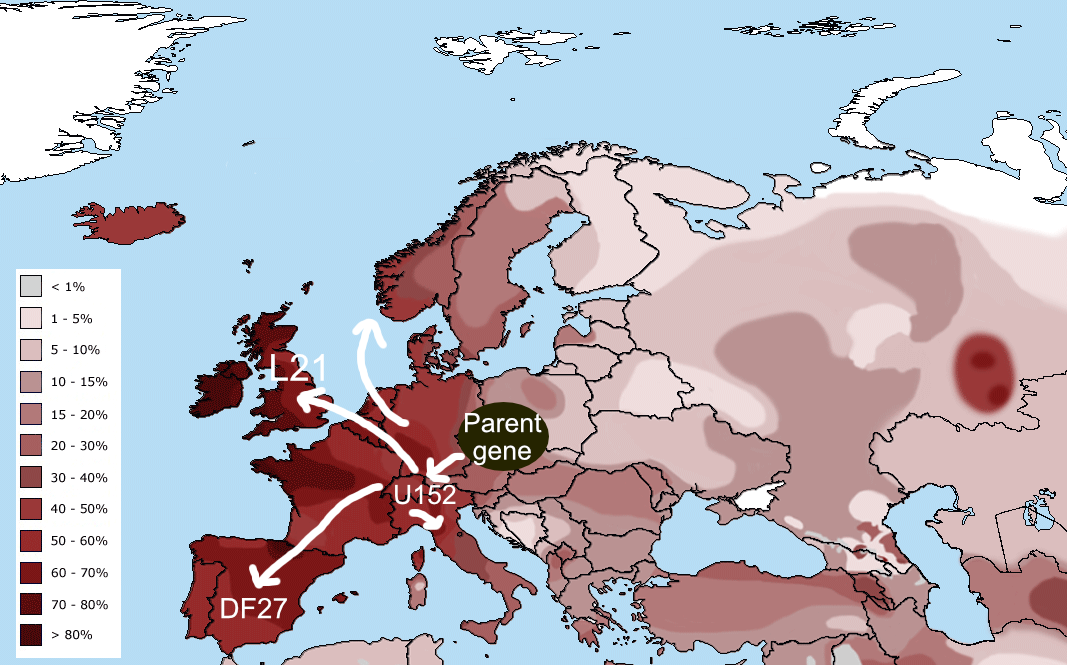
Rome, as it grew into more than a small kingdom, was largely founded by a mixed population of western Europeans. In part, it was also influenced by western and northern European tribes, leaving a strong mark there. It’s fair to say that Rome during the Roman Empire became the center of the tribes of Magog, Meshech, and Tubal. Among the largest paternal lineages found in western Europe are three distinct mutations that are believed to have spread from the alpine areas northward, southward, and westward. The paternal gene from the alpine regions is closer to the one in north-west Europe and is also believed to be the main paternal gene of Northern Italy.
Among the major western branches, we see the genetic mutation markers L21 (Britain & Ireland), DF27 (Iberia), and U152 (Alpine region) as subgroups of what is also called paternal haplogroup R1b. Written long before genetics was a science, testing of West European populations shows a genetic connection between the Vandals, Saxons, Lombards, Goths, Franks, and Romans. Compared with genetic mutations elsewhere, it is clear that these European tribes share the same paternal ancestry.
As we will see, in the Bible God provides a great deal of information about a European beast with ten main tribes, three of which fight the others, yet their background remains an apparent mystery despite God naming the ancestral fathers of all the other beasts he shows Daniel. And as we continue, we will look at every detail and piece of information God gives us about Rome and the fourth Beast of the book of Daniel chapter 7.
Daniel 7: The fourth and last beast before Christ second coming. The Roman Beast has ten horns, ten tribes that continue ruling after the empires fall. This is clearly a reference to European tribes.
The tribes of Japhet’s relation with Israel
At first, people did not move far away from Babel. The descendants of Japheth first settled in what we today call western Turkey and, from there, slowly spread west and north.
Some went ahead of others but were later joined by new movements into the lands. Yet we can see their relation genetically.
It can be somewhat hard to distinguish the genetics of Japhet’s sons who moved westward, since only two of Japhet’s sons are mentioned as having actual sons. It is unclear whether the others had girls instead of sons or if only one of them had girls and not boys. There is no biblical claim that all had sons, nor is there any guarantee that all the women married only men from their own parent tribe. So genetics were mixed in the beginning, yet once they separated, those farthest away from the Middle East would become more distinct genetic races. But the fact is that the bible does not reveal more than the sons of Javan and the sons of Gomer.
There can be several explanations for this. Often sons were named because they became strong individual tribes. Magog, Tubal, Mesech, and Tiras could have been smaller tribes at the beginning and kept their founders’ names rather than distinguishing them by their sons. This indicates they stayed together as a family for longer.
One example of tribes keeping the name of the main founding father is Kush, the son of Ham, and Misrajim, who was also a son of Ham. Although both of them had several sons, the land of Egypt remained called the land of Misrajim, and the land of Kush continued to be named after him.
While with Ham’s son Canaan, the sons’ tribes were often named instead. Like the Sidonites after his firstborn, Sidon, and the Jebusites and the Amorites, which are among the most mentioned in the Bible. Usually the land was named after the patriarch, and tribes after the patriarch’s sons. Canaan was given to West Africa, but most stayed in the Middle East, showing that not everyone went where they were supposed to at first. God patiently waited for Canaan for almost 500 years before pushing them out. This could have been the case with other tribes who did not go where they were supposed to.
In the Bible, God consistently calls the land after the patriarch who inhabited it. Sometimes, in prophecy, because of changes in territory through war, conflict, and displacement, God uses the four cardinal directions from His land, Jerusalem. Such as Kings of the East, King of the North, and King of the South. Or a group coming from a cardinal direction upon another.
When God later mentions Japhet’s tribes, he calls them by their founder’s name even over 1700 years after the flood. This proves that God knew very well who they were and that they were largely unmixed with other nations. God uses the names Magog, Tubal, and Meshech all the way up to Ezekiel’s time. However we learn they are together in one group with Magog as the strongest in a leading position.
When speaking of Gomer, God names two of Gomer’s tribes:
“Gomer, and all his bands; the house of Togarmah of the north quarters, and all his bands” (Ezek.38:6). “Bands” means tribes, and so they are many different tribes but all children of Gomer.
He also mentions Gomer’s son Ashkenaz: “call together against her the kingdoms of Ararat, Minni, and Ashchenaz; appoint a captain against her” (Jer.51:27)
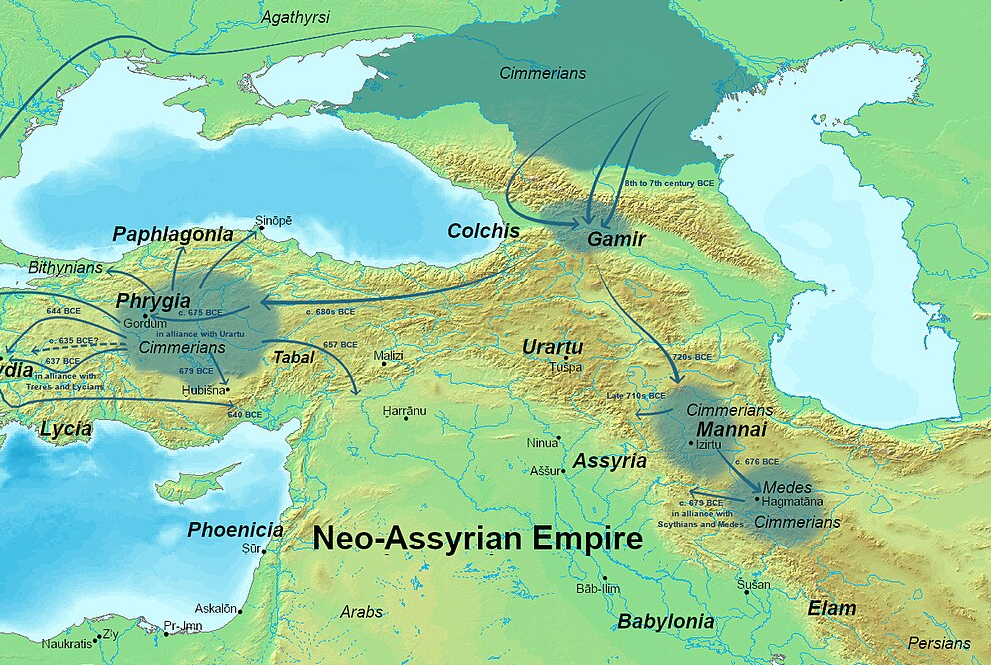
Cimmerians were called G*M*R , Gamir by the Assyrians, and are likely one of the bands of GOMER. It became a powerful tribe in the region and raided Anatolia before being defeated by other tribes. This pushed the Phrygians (possibly a tribe of Meshech). A tribe of Tabal, settled in Anatolia, was also pushed out of the region by the Assyrians. No one knows for sure what happened to the Cimmerians, as they ceased being called that after they lost and were dispersed. Many believe some of them went west into Europe. The Bible mentions them in the 6th century as living and in cooperation with the nations in the Ararat region against Babylon. Scythians pushed the Crimmerians out of their territory in the immediate north. However, the Bible claims the bands of Gomer are still in the North during the Medo-Persian era, so many of Gomer’s tribes remained under different names. God differentiated Togarmah‘s bands and Ashkenaz, even though they are both of Gomer. This means three groups of Gomer were active and in connection with the Near East at the time. One is just called the bands of Gomer, which is likely the Cimmerians, as the Assyrians also just called them that. Another group, Togarmah, also had bands and lived north of Anatolia. And then it is Ashkenaz, who, unlike the other groups, is not said to have bands but appears to be a region or settlement close by Ararat/Urartu.
These Bible verses shows that God still distinguishes which tribes are descendants of whom, even so long after they were dispersed at Babel. Even after they called themselves by different names themselves. In the case of the sons of Gomer, they are mentioned with those of the Urartu and Caucasus regions, directly north of Israel and Assyria, and the land that leads northward to what we today call Russia. This is thereby in harmony with the Book of Jubilee, which was found among the Dead Sea Scrolls, which placed the sons of Gomer in the Caucasus and northward into Russian territory. Many nations and people however in turn tried to take Anatolia and neighboring countries. The world is mixed up, but still have a majority of its original populations.
Japhet seemingly received a smaller share in Europe/Russia than Ham did in Africa and Shem did in Asia. However, the opposite was prophesied about Japhet’s descendants. The name Japhet means “expansion,” and in addition to the name meaning itself, Noah prophesied that the children of Japhet would expand their territories:
“God shall enlarge Japheth, and he shall dwell in the tents of Shem; and Canaan shall be his servant.” In addition to expanding his own territory, Japhet was to expand into Shem’s territory as well” (Gen 9:27).
When we look at world history, we see European tribes expanding, especially into Asia and Oceania, of course, being given much more territory once they inhabited the Americas. No one has expanded their territory more than Japhet in the history of the world. This makes the tribes of Japheth start with smaller territories but end up with the largest territories, as prophesied. His territory “enlarged” to the west, and within Shem’s “tent” eastward. Making the tribes of Japhet the most powerful positioned among the three sons of Noah in our day. The empires God showed the prophet Daniel were to come after Babylon were mostly Japhetic. (The ancient Indians of the Americans have in part the same paternal mutations as Europeans – Showing that they were from the tribe of Japhet too)
Trading cities
In the first centuries after Babel, many nations that did not live in the Middle East or near it were nomadic at certain times of the year, often traveling there for trade and education as progress accelerated in these more populous regions. Because many tribes began spreading from Anatolia (today’s Turkey) and returning there for trade, they established flourishing city-states there.
There are several historical examples that Western European tribes had one group closer to the Middle East and another “back home” in the north or west. And groups traveling between them. A home place and a Middle Eastern post.
Because the Bible does not fully explain this, it is valid to examine the Assyrian Empire and the many texts they left behind to see whether they mention any of these tribes by name.
And they do mention the tribes of Tubal and Meshech having territories in Anatolia.
Among the Assyrian inscriptions is the King Tiglath-Pileser I (c. 1114–1076 BC) mentioning Mushki invading Anatolia with 20,000 men. The reason Mushki is believed to be descendants of Meshech is that the consonants are the same in Hebrew and Assyrian: M-Š-K vs. M-Š-K. And Mushki and the Phrygians are connected through Greek writings. And Medieval tradition ties the Phrygians with the Franks, from the same region.
Shalmaneser III (859–824 BC) is said to have campaigned against Tabal and neighboring kingdoms in central Anatolia.
King Tiglath-Pileser II (745–727 BC) receives tribute from the kings of Tabal. These show a trend among Assyrians of not believing that people in the territory they occupy have a right to it.
And Sargon II (722–705 BC) also mentions Tabal and Mushki. Records show campaigns against King Ambaris of Tabal and Mita of Mushki.
Another reason Mushki is thought to be descendants of Meshech is that the Assyrians speak of them together with Tubal, and so does God in the Bible. The Assyrian writings are very roughly contemporary with the Bible’s mentions of them.
Much of western Anatolia is associated with the Greeks, but the term Greek became broader as they increased, and many coastal groups of Japheth were later referred to as Greeks after the Greek empire became great. Having similar cultures and ways of life, close interaction, and coming from the same direction made these groups blend into one for those in the Middle East. These same groups were pushed out of Anatolia in turn, all in their own time.
Genetically, it is also hard to distinguish these tribes. Europe is consistently the same family, yet we can see clear traces of different founding fathers; however, because they have lived together for so long, they are all genetically related or “distant cousins”. So it is with language as well: most languages are Indo-European, stemming from the same root language.
Israel disrupts the Middle East trading network.
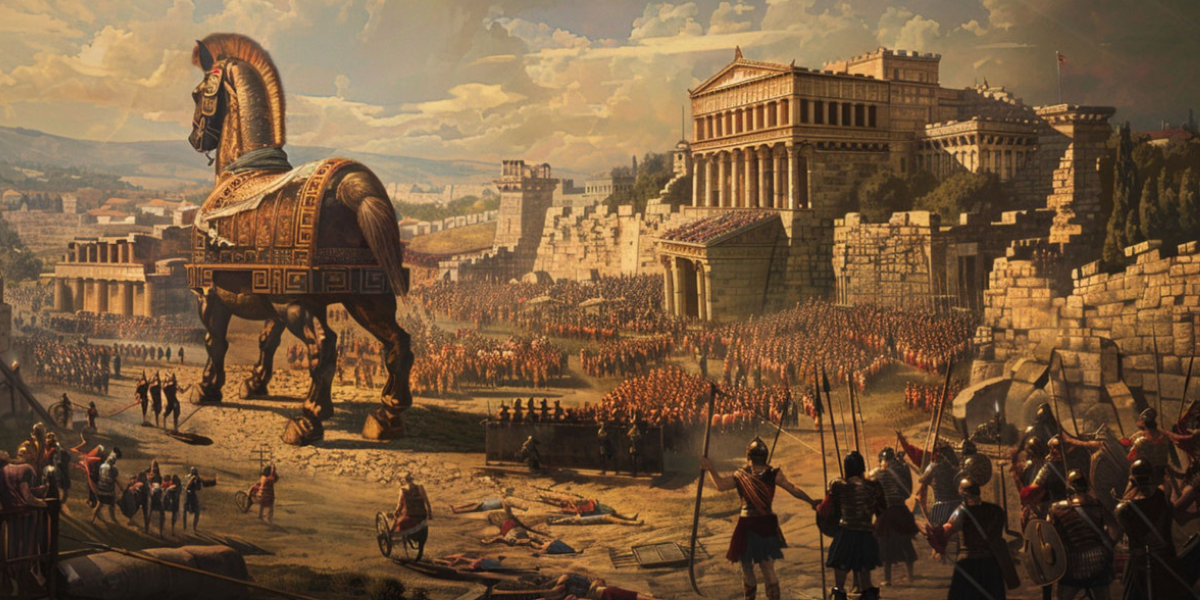
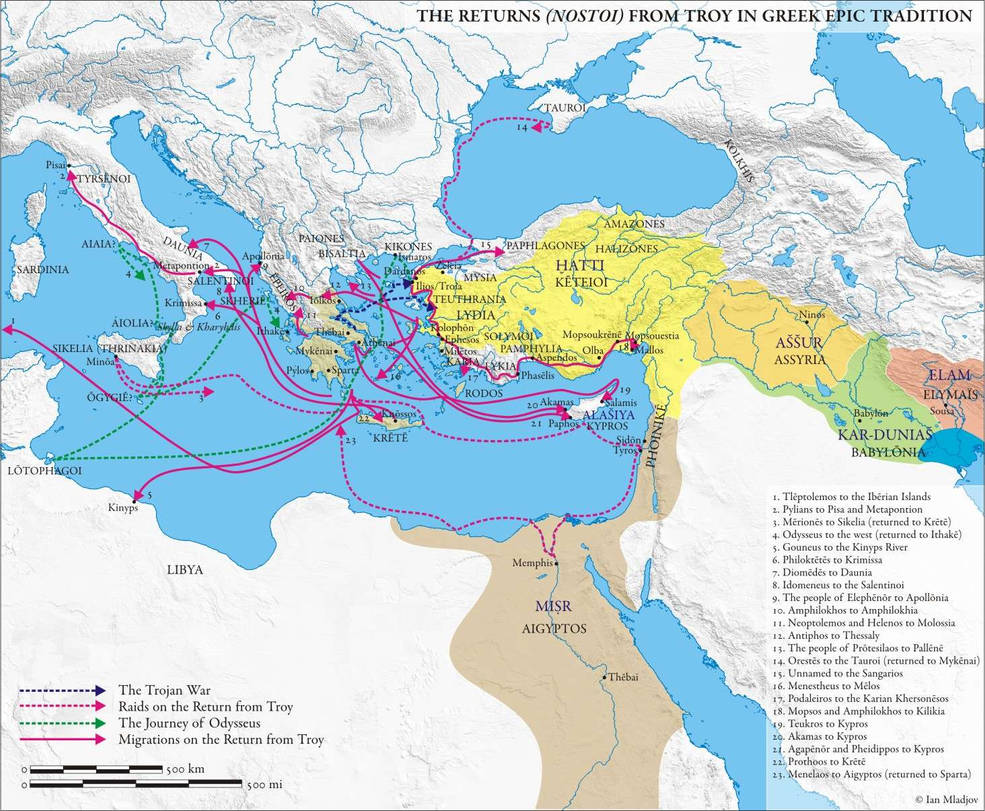
The famous city of Troy belonged to the Japhetic tribes. Troy was in conflict with the Greeks in their day, but that did not mean they were not all children of Japhet. The story of the city of Troy and the great conflict there is significant because several groups connected to Magog were also said to have been dispersed after the conflict. Among people that claim to have come from that conflict are the Romans (Aeneas), Franks (Francio or Priam), Britons (Brutus of Troy), Normans (Brutus), Scandinavians (Odin brought from Troy), Danes (Odin), Germans/Holy Roman Empire (Various Trojan founders), and Venetians (Antenor, Trojan refugee). Roughly 8–12 European nations or peoples have medieval traditions claiming descent from Troy. These, however, are legendary genealogies. And although they have been believed to have found the remains of Troy at Hisarlik, it cannot be determined beyond a doubt that the city found is actually Troy. It can almost seem as if Troy were the Japhetic tribes’ second version of Babel. Many were slow to disperse, and a conflict forced them to disperse. Historically, Troy was important because it controlled trade near the entrance to the Dardanelles, a strategic route between the Aegean and the Black Sea. The story that led to the dispersal of the people of Troy centers on Helen, a Greek woman who was taken by Paris, a prince of Troy. But as we trust the Bible first of all, we learn that another great factor would rearrange the lands of the Near East and cause the Bronze Age collapse. Historians date the fall of Troy to between 1250 and 1180 BCE in the Biblical era of the Judges, which lasted between 300 and 350 years. Satan is ever working to hide the past and history which connects people to the Bible and to God. Scholars have long fought against any legends that support creationism and the Bible’s narrative to what they want the truth to be. They have almost erased the story of Israel in the Middle East as insignificant or weak, while the opposite is true. This spiritual war makes it somewhat difficult to identify the people and places of Bible prophecy without constant conflict. But the truth is the truth nonetheless.
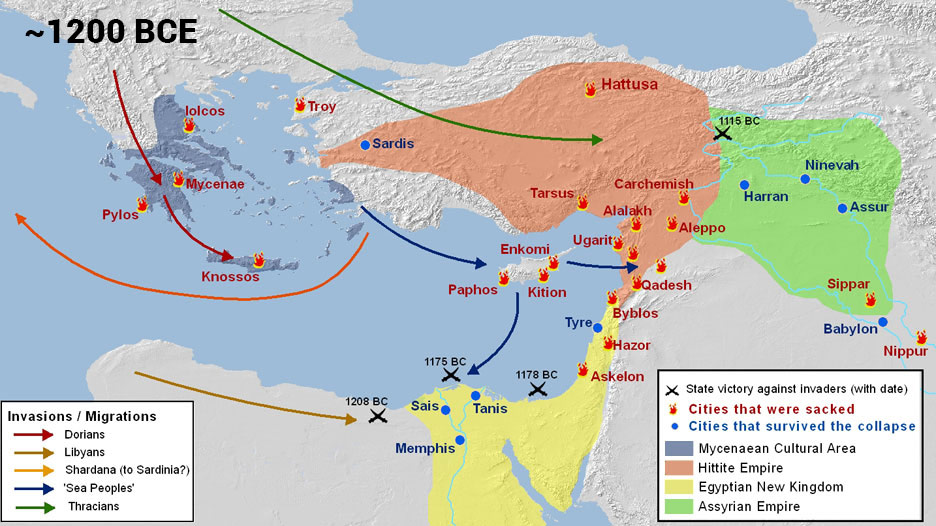
Several events led to the sons of Japheth dispersing from the Near East. The first great division after Babel was the Bronze Age collapse, c. 1200-1100 BC. It happened not long after Israel took Canaan around 1400 BC. The next two hundred years were marked by the uprooting of several tribes in the Near East. God had promised to secure the area for Israel, preventing great nations from forming around them or being a threat to them at its beginning. The Bronze Age collapse enabled King Solomon to become the only great king in the region and to subsequently have no enemies he could not handle. God brought about the great Bronze Age collapse to secure His people’s position in the “midst of the earth” (Gen. 48:16).
Israel disrupts the Middle East trading network.
It appears clear that the great Bronze Age collapse is tied to the conquest of Canaan. Historians, ignoring the Biblical records, say that the Bronze Age collapse was marked by the sudden decline of several major civilizations in the Eastern Mediterranean and Near East. “This era saw the destruction of cities, the collapse of trade networks, and the loss of literacy and advanced technologies. Key regions affected included Egypt, Anatolia, the Aegean, and the Balkans”. They say the causes of this collapse are still debated, but they likely include climate change, invasions, and internal strife, leading to a prolonged period known as the Dark Ages of that time. Something disrupted the usual interaction. When there is a war or people are occupied in war, as Israel was in Canaan, it often leads to other tribes seeing an opportunity to do what they want with less fear of retaliation from other nations. World History Encyclopedia+1Wikipedia.
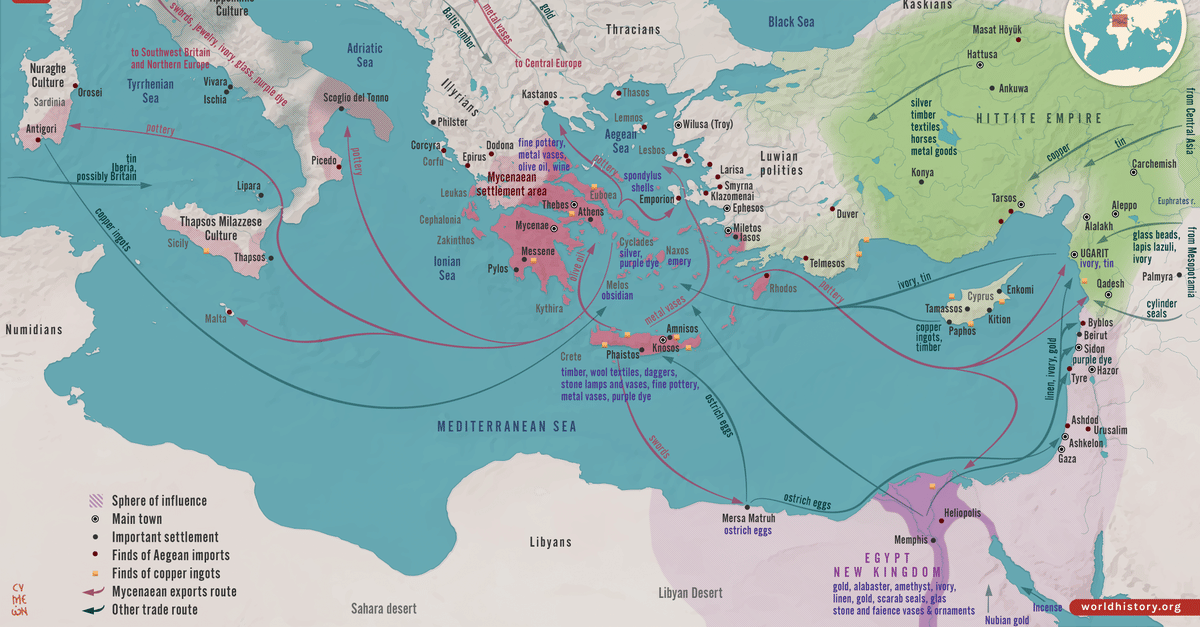
Example from World History of Late Bronze age Mediterranean Trade c.1400-1200 BCE
Canaan was a major trading network and in alliance with many nations of its day. The territory was largely used as a trade network, and many upset with the Israeli invasion of the land did not wish to at first build new ties with Israel, nor did they with them. Israel’s position in the Middle East collapsed several trade networks; also, they in turn refused in the beginning to make covenants with the nations around them. They were different in religion and practices, quickly hated, and several groups affected tried to destroy them, including their closer neighbors the Moabites, Philistines, and Midianites. It was not just motivated by hate, but by the idea that Israel’s possession of the land also ruined their political and economic interests. During the biblical era of the judges, many nations tried to recover from the upheaval caused by Israel’s invasion. From another perspective, nations God had asked to spread who had not been doing so were withdrawing from the region and establishing new connections, further scattering the nations. While Ham and Kush were pushed southward. In this way, God managed to slow down a development that would have harmed the entire human family. Together with the Bronze Age collapse was also the Hittite collapse, a powerful mixed-group people in Anatolia, not to be confused with the Hittites in Canaan. The Hittites of Anatolia had a proto-European language.
“From the wilderness and this Lebanon even unto the great river, the river Euphrates, all the land of the Hittites, and unto the great sea toward the going down of the sun, shall be your coast.
There shall not any man be able to stand before thee all the days of thy life: as I was with Moses, so I will be with thee: I will not fail thee, nor forsake thee” (Jos 1:4-5)
However, the Bronze Age collapse also gave the Assyrians, Chaldeans, and Arameans an opportunity to expand in several areas. Shem’s influence expanded in the Middle East, though many of his descendants moved further eastward. Likewise, the tribes of Japheth began to flourish in western Anatolia and around the Aegean Sea. They are not mentioned for the longest time because they are not an immediate threat to Israel or Judah.
They don’t know the exact time for the collapse and a lot of the dates are guesswork. What they can see is a shift in culture, trade, and destroyed cities around this time.
How big was the trade collapse ?
In Deuteronomy 7:1 it says: “When the Lord your God brings you into the land which you go to possess, and has cast out many nations before you, the Hittites and the Girgashites and the Amorites and the Canaanites and the Perizzites and the Hivites and the Jebusites, seven nations greater and mightier than you…” (New King James Version)
God also says about Israel: “The Lord did not set His love on you nor choose you because you were more in number than any other people, for you were the fewest of all peoples.” (Deut.7:7)
So how big was Israel? The census recorded in Numbers 26:51 gives a very specific total:
601,730 men (aged 20 and older, capable of serving in the army). In addition, there would be women and children and those not capable of serving in the army, leaving us with a number no less than 2 million people. Now, if there were seven nations in and around Canaan that were greater than that, you would be talking about the displacement and/or end of at least 14 million people if they were the same size as Israel, and far more than 14 million if they were greater in number as God indicates. Moses also explains that they are “mightier”, showing they were not an easy prey if it were not for God’s interventions. Many were killed when Israel took the land, and others left the territory to join other nations or lands, and other smaller groups remained and intermingled with Israel. God also sent natural disasters to chase them off the land.
“And it came to pass, as they fled from before Israel, and were in the going down to Bethhoron, that the LORD cast down great stones from heaven upon them unto Azekah, and they died: they were more which died with hailstones than they whom the children of Israel slew with the sword” (Jos 10:11).
Even using animals:
“Moreover the LORD thy God will send the hornet among them, until they that are left, and hide themselves from thee, be destroyed.” Deut.7:20
Exodus 23:27 says God would throw the nations into confusion. The Book of Deuteronomy 7:22 states that God would not remove them all at once, but would do so gradually. This is consistent with the great Bronze Age collapse, which did not happen overnight but over a period between Israel’s conquest of the land and the first King of Israel. It began as a quick invasion but then led to the slow exhaustion of the nations around.
The tribe of Dan and the Greeks
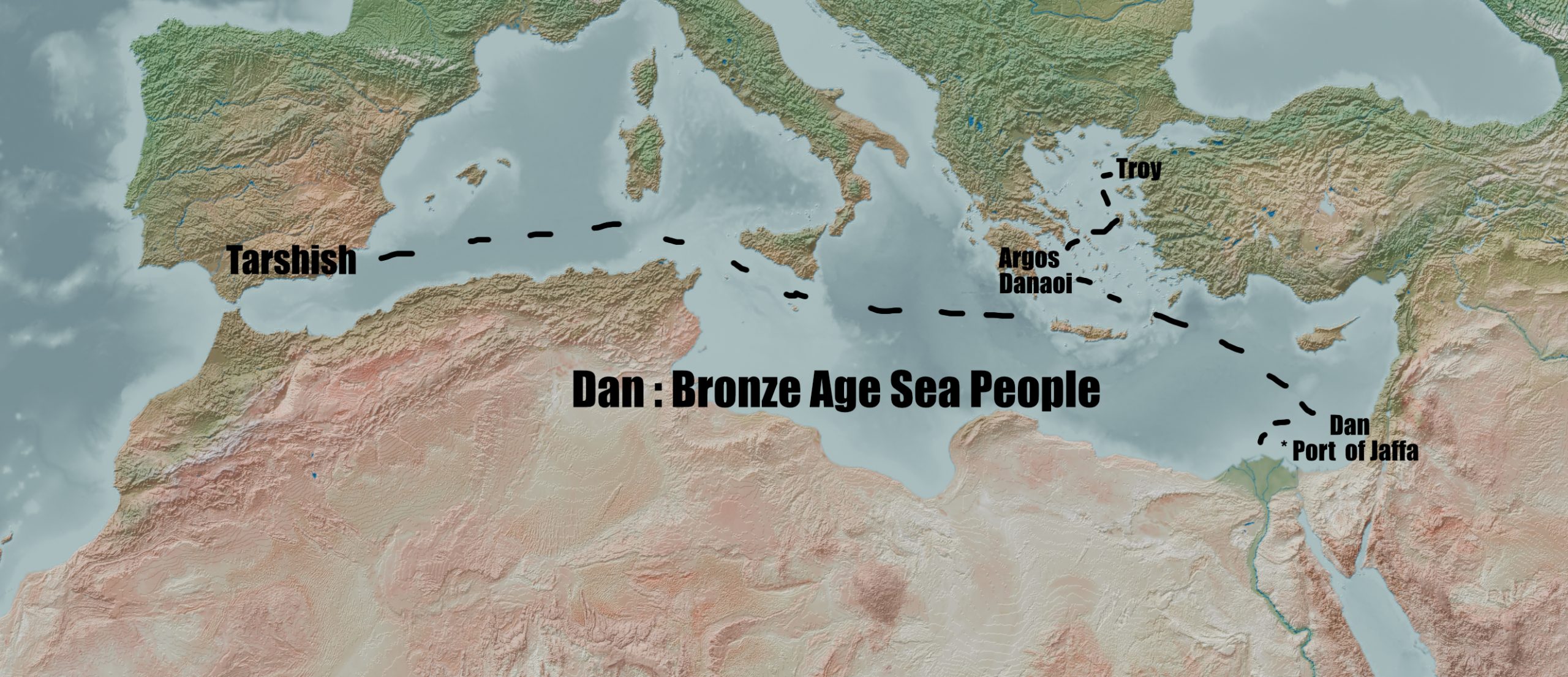
As a calamity was unfolding in the Middle East, Japhet strengthened his independence in his own lands. The first Israeli tribe to interact extensively with the western territories around the Mediterranean was Dan. The Israeli tribe that left God first and strayed for the longest. Not even mentioned among the saved 144,000 in the book of Revelation, when all the other tribes of Israel are mentioned. The portion that fell to Dan had a great port at Jaffa during Israel’s time. It is also where Tel Aviv is today, the first capital of the modern state of Israel. It’s also where the prophet Jonah boarded a ship bound for Tarshish to flee God and his calling. Hence the boat going from their city to Tarshish, a Javanite city. The Israeli tribe of Dan became a great sea people who often mingled with the children of Javan and Japhet. We know this interaction was already taking place during the era of the Judges during the Bronze Age collapse. Early on, after Israel’s invasion, the Bible records: “and why did Dan remain in ships?” (Judg.5:17). A great sigh from the prophetess Deborah, who was busy defending God’s territory and people, while implying the tribe of Dan was occupied with maritime or trading activities instead of coming to fight. They only cared for their own affairs.
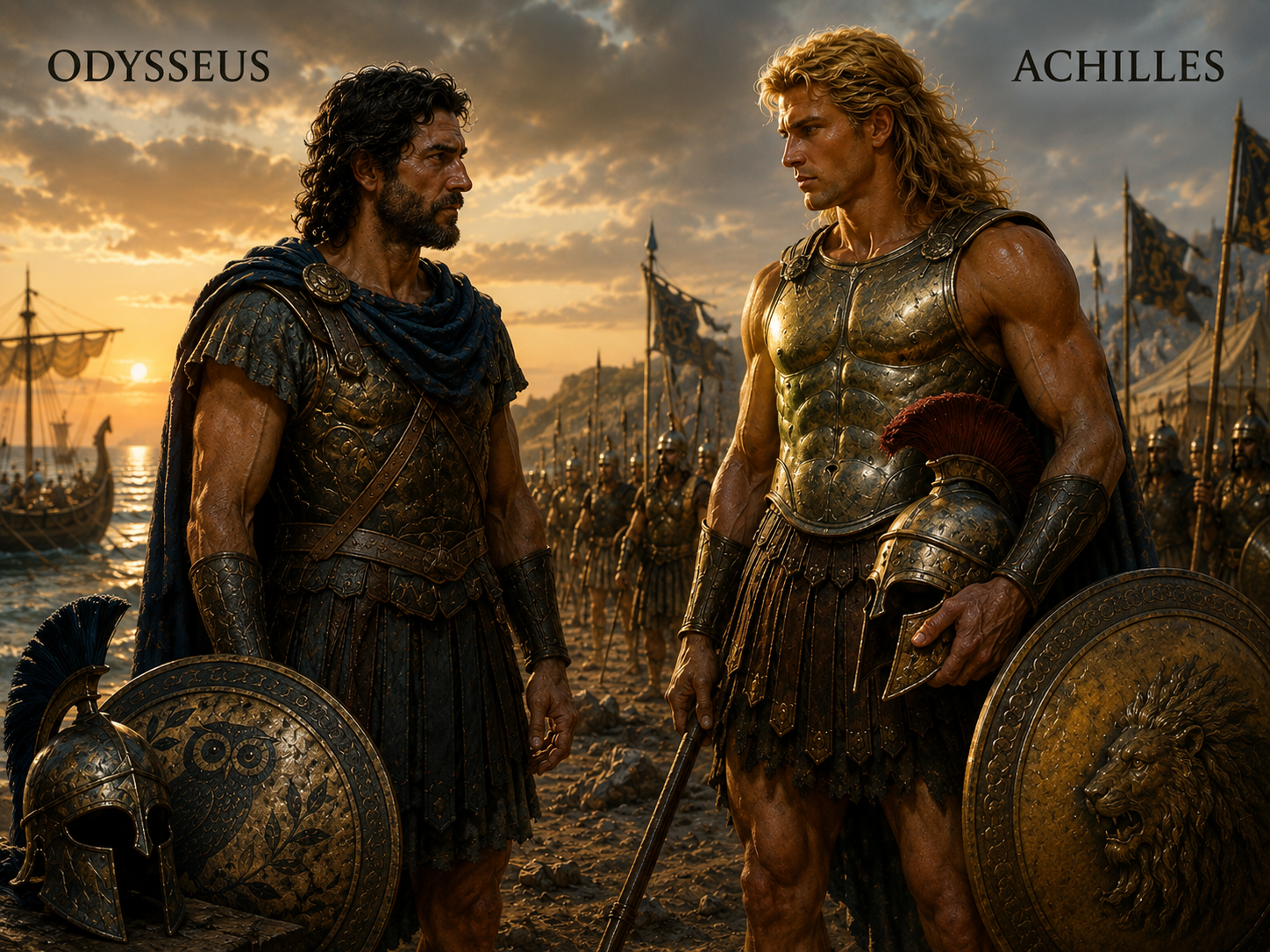
The tribe of Dan mingled with the Greeks and lived as them. Some Excavations in the ancient northern city of Dan in Israel reveal a strong Greek influence and way of life, to the point that some scholars wondered whether the city was perhaps Greek. Other historical sources claim that the tribes of Dan even lived in large part among the Greeks, who were then the broad term for all the tribes of Japheth to the west and those who lived as them. They were called Danaoi, and later they were just called Greeks as the people blended into one. And they were central to the story of the Trojan War, whose dates are not accurately certain but are thought to be around the time of the Biblical judges. The coalition that attacked Troy and forced the Trojans into Europe is said to have consisted of the Danaoi, Achaeans, and Argives. So the Bible confirms Dan’s close ties in the Mediterranean at the same time as other historians mention a tribe called the same fighting alongside the Greeks. Same alliance, same time, same name. The famous, often portrayed leaders in the Trojan conflict, Odysseus and Achilles, were actually of the tribe of the Danaoi. Although it would be a bitter pill to swallow for most Greeks and Bible critics of today, even Hollywood, the great “Greek” heroes might have actually been from the tribe of Israel. Ancient sources say that Danaus, who became King of Argos, fled from Egypt to prevent his daughters from having to marry Egyptians (Aeschylus, The Suppliants (5th century BC); Apollodorus, Bibliotheca; Pausanias, Description of Greece). Whether a group of Dan had fled before the Exodus or arrived shortly during the judges’ era and were seen as Egyptian immigrants rather than Canaanites cannot be said for sure.
The now-famous Greek heroes were members of the tribe of the Danaoi, living in Greek territories, especially Argos. It was very common to secure ports along trade routes in the ancient world. The Danaoi were said to have fled Egypt before settling among the Greeks. After the battle at Troy, they were considered Greeks.
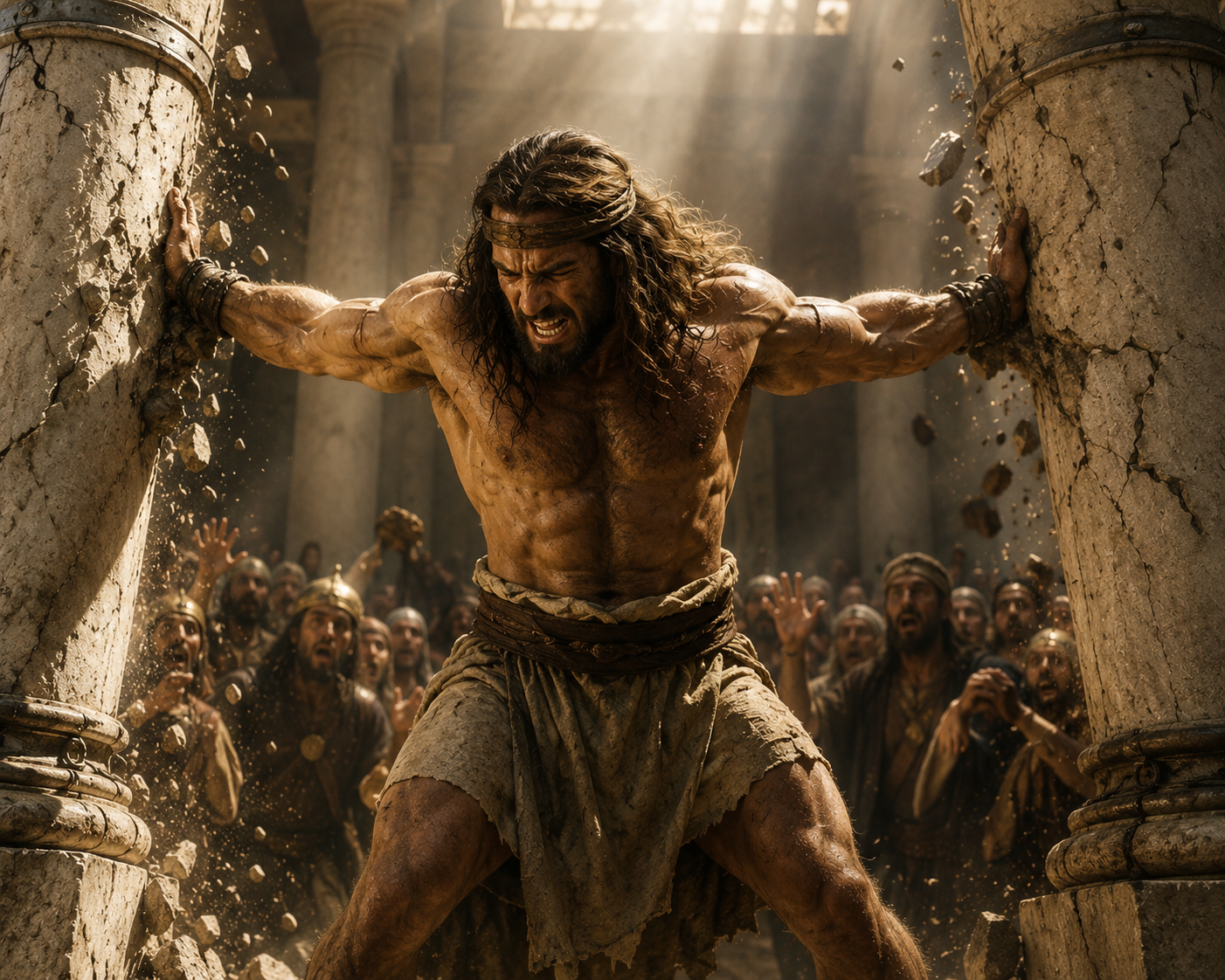
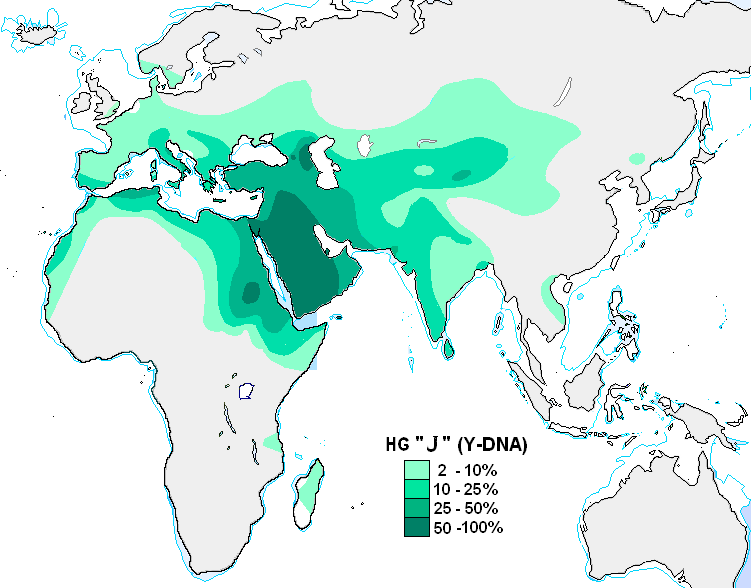
Another great, proud legend of the Greeks is Heracles (Hercules), whose story is similar to that of the Biblical Samson. Samson came from the tribe of Dan and also lived there. The two cultures were intertwined, and it is not unnatural that an ally with superpowers would have become a great mythological hero in their mixed communities and eventually just seen as a Greek myth. Both characters had supernatural strength, both killed a lion with their bare hands, and both used improvised weapons, and both had relationships with women that brought them great suffering. Both died a tragic death. ‘Heracles’ stories, however, are full of fairy tales, although claimed to have been a real person. This was usually how ancient gods came to be. A real important figure and generations of myths added to it. The ancient Greeks would have seen someone like Samson, with super strength, as a semi-god because they would have rejected the Biblical narrative of the source and purpose of his powers. Heracles is said to have been the first to attack Troy over a promise not kept regarding the King’s daughter. Then the next generation is said to be the great Trojan war, with the Danaoi as part of the alliance to take down the city. Samson was a judge in Dan when Dan was in close contact with the early Greeks, and while the Danaoi had territory among the Greeks. For a seafaring people, it was important to have hold on ports along a trading route. All the great seafaring cultures of the day settled in coastal cities along their main trading routes or areas to protect those routes. Only in Dan’s case, they began populating southern Japhaite territories. In genetic research, a vast paternal haplogroup originating in the Middle East, J-M304, is found in southern Europe and is overwhelmingly common in Greek territories; its earliest entry in Europe is likely tied to the tribe of Dan. One of their main ports was in Argos. Later Greek writers stopped using the term Danaoi, and it became a poetic or archaic name for the Greeks, erasing their true origin and merging them into a single group of ancient Greeks. However, the Danaoi were said to have fled from Egypt, while the real Greeks came from Hellen. His father was said to have survived a flood. His descendants are the Greek tribes: Dorians, Ionians, Achaeans, and Aeolians. The land called Greece in English today is still called after Hellen, and in Greek it is still called Ellas, the land of the Hellenes. In ancient Greek literature, the name originally referred only to the small region in Thessaly, but later came to mean the entire Greek world. This is significant, as the region around Thessaly, especially to the north, is Macedon, the homeland of Alexander the Great, who united vast territories into the Greek Empire. So both descendants of the tribe of Dan and Javan make up the Greeks of today.
Only a part of Dan remained in northern Israel and was later displaced by the Assyrians.
In the Judges era. Samson was called to free Israel from their enemies close to their border, the Philistines, which the Bible explains were from Caphtor (Krete). But Samson’s quest against them is disrupted by his love for their women, which eventually strips him of his powers and brings him down.
Samson, a Biblical antihero with unusual strength, was from the tribe of Dan.
Often, the expansion of the Israelite tribes is simply called Phoenician expansion. This is because historians who do not take the Bible seriously often group time and culture together without considering that it involves different groups living in the same way. Over time, these groups became practically indistinguishable. Many historians, puzzled by the Phoenicians’ genetics, have found so much paternal DNA similar to that of ancient Israel that they have concluded Israel was never a distinct people who conquered the land, but rather the Canaanites themselves.
This is because a significant amount of Phoenician and even Philistine DNA closely resembles Jewish DNA, and some samples labeled as Phoenician are actually from pagan Israelites rather than true Phoenicians (From the tribe of Ham). Israel was originally told to spread into Lebanon, which also suggests that much of Israel displaced the ancient Canaanite genetic pool in these territories, further blurring the distinction between the groups. What happened to the tribe of Dan with the Greeks also happened to the northern tribes with the Phoenicians. The Bible claims they intermingled religiously and culturally, and through marriages, making them, in our day, appear to modern archeologists as descendants of the same group of people at the same time and place. Even the infamous queen Jezebel was a daughter of Sidon married into the royal house of Israel, bringing Sidonian culture there. Many settlements in the Mediterranean that were called Phoenician were actually part of ancient Israel’s trading posts. Several of Judah’s kings were said to have engaged in extensive trade with distant nations.
During the reign of King Solomon, they were at the forefront of trade in the region, even using big ships. Little is found from Israel’s greatest period, which has made them appear invisible to modern researchers unable to make all the connections.
Although at the time of Judges Dan was especially connected to the Greeks, they later used the port of Tyre in today’s Lebanon (Phoenician city): “Dan also and Javan going to and fro occupied in thy fairs” (Eze 27:19) Tyre became a great trading port in the Middle East, used by both Israel and Dan, the Greeks, the Phoenicians, and the people of the Near East.
God judged this port because of the ungodliness that spread from there, and it was brought down first by Nebuchadnezzar II, then by the Persians, and finally by Alexander the Great. The era of Nebuchadnezzar is the second great collapse in the Near East after the Bronze Age collapse. It is written in detail in the Bible, and lists all the nations that were affected and displaced or destroyed during this time. This included the Assyrians, Israel, Edom, and more. Only this time, rather than chaos, it was suppression. The Babylonian Empire grew in power while controlling the nations and destroying the opposition.
The next pull from the tribes of Israel into the territory of Japheth was completely different and under very different circumstances than Dan’s integration with the Greeks. And the third great pull did not integrate easily at all.
The Collapse of the Israeli and Judean Kingdoms
As Israel became more and more corrupt, they just took over the role the Canaanites had in the region. God explains that they became an abomination in the land, as they mingled truth and error. And in many cases became worse than even the nations around them when it came to violence and sin.
God had to give up on Israel and allowed the Assyrians to conquer them. The period of Israel and Judah’s collapse strengthened both Assyria and, later, Babylon, which defeated Assyria.
The great trading ports in those days were the ports of Tyre and Sidon, which often had to pay tribute to Assyrian kings (Tiglath-Pileser III, Sargon II (722–705 BC). They had become the central trade post for ships between the descendants of Shem, Ham and Japhet.
In relation to these city ports we hear mention of Tubal and Meshech once again along with their brother Javan. About the city of Tyre God says: “Javan, Tubal, and Meshech, they were thy merchants: they traded the persons of men and vessels of brass in thy market..” (Eze.27:13)
In the book of Joel we learn that the children of Judah were sold to the Greeks and taken to Japhet’s territory: “The children also of Judah and the children of Jerusalem have ye sold unto the Grecians (Javanites), that ye might remove them far from their border” (Joe 3:6).
This scripture indicates that the descendants of Javan brought the slaves far from the Near Eastern islands they often are associated with. Another verse explains further:
“And I will set a sign among them, and I will send those that escape of them unto the nations, to Tarshish, Pul, and Lud, that draw the bow, to Tubal, and Javan, to the isles afar off, that have not heard my fame, neither have seen my glory; and they shall declare my glory among the Gentiles” (Isa 66:19).
The rest of Israel who were not sold as slaves to the Greeks were dispersed into Babylon and the Near East, a territory today often called Kurdistan, and Iran, and Iraq, and the Caucasus regions. Many of those taken to Babylon returned to Jerusalem and rebuilt the temple.
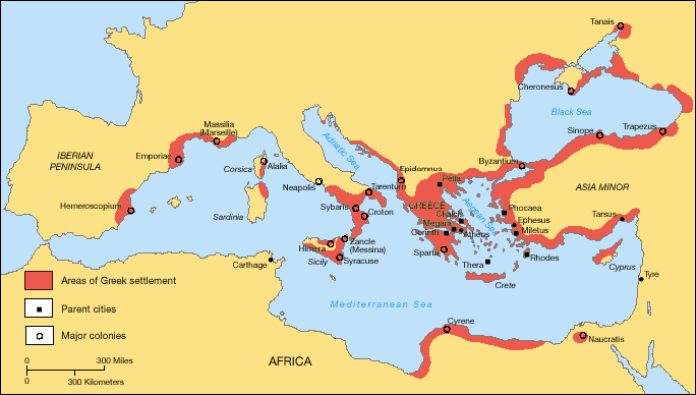
With these biblical verses in mind, we know that many of the children of Israel and Judah became one with the children of Japheth. A trend we can see in genetics in southern Europe. We know the Greeks expanded greatly during the time when Judah and Israel were sold into slavery. The greatest wave of Greek colonization occurred roughly between 750 BC and 550 BC. During those two centuries, Greek settlers established colonies from:
Slaves from Judah were likely taken to all the places of the Greek expansion and made to help build these cities. The majority never returned to Israel. The Greeks also traded slaves later on with the Romans.Many believe that the paternal haplogroup J is found among the descendants of Abraham. It’s found across most Abrahamic territories. Especially Arabia, which was largely untouched by wars and displacement, and among many ancient and modern descendants of Israel. We can see how this gene is widespread across southern Europe today, in the millions. Most have no idea of their origin and are genetically mixed with the nations they have lived in for over 2500 years. Many are today Christians.
Spain, southern France, Italy and Sicily, North Africa, the Black Sea, and parts of the eastern Mediterranean. Other cities that were expanded during the same period were Athens, Sparta, Corinth, Thebes, Argos, Miletus, and Ephesus. The likelihood of slaves existing in these cities was great. Cities that were being built and in need of slaves were Syracuse 734 BC (in Sicily), Naxos in 734BC (in Sicily) , Cumae (In Italy) 750 BC, Taras in 706 BC (Southern Italy), Byzantium in 667 (Istanbul, Turkey), Massalia in c.600 BC (France, city of Merseille), Cyrene in c.631 BC (Libya), Naucratis in c620-570 BC (In Egypt), Olbia c.650 BC (in Ukreine), Chersonesus 5th centuary (In Crimea) and Apollonia Pontica in early 7th centuary BC (In Bulgaria). During the early Roman Empire, many of the Greek slaves were sold to the Romans as well.
The Greeks enslaved people to build cities and infrastructure, and had them work in mines and in households. And the more slaves, the more enriched a nation became, as they could have rapid growth. As the captives taken to Babylon and the nearby regions of the Near East in large part returned to the land of Israel and rebuilt, preparing for the coming of the Messiah, the sold and scattered Israel in the lands of Japhet had, in large part, blended in and adopted the languages there and become a mixed family through marriages. As the curse had said: “And the LORD shall scatter thee among all people, from the one end of the earth even unto the other…” (Deuteronomy 28:64) “For with stammering lips and another tongue will he speak to this people,” Isaiah prophesied. (Isaiah 28:11). The verse shows how the gospel would one day be presented to these scattered in another language than Hebrew, showing that they themselves would no longer speak Hebrew and therefore need to hear it in their own new languages. Many of Israel and Judah sold into slavery to the Japhet tribes did not keep their mother tongue or their culture but adapted. They did not keep a strong biblical religion, because they did not have it when they were scattered. Israel had been paganized a long time before, already following the superstitions and ideas of the pagans. The Bible says the children of Judah followed that trend but had greater knowledge and adherence to Jewish traditions than their northern brethren.
The third pull into Western Europe for Jews was during the Roman Empire; they kept their culture in large part and are therefore, by most, the only ones considered to be Jews today. But Israel was scattered and largely blended in long before that. The Jews who, during Roman times, remained Jewish in name only represent only a small part of ancient Israel.