

Babel
The origins of Rome can be traced back to the city of Babel, both in a physical sense and a spiritual one. After the flood, God instructed Noah’s sons and their descendants to spread out: “And God blessed Noah and his sons, and said unto them, Be fruitful, and multiply, and replenish the earth” (Gen. 9:1).
Along with the command to spread out, God granted them the following permission to fulfill His directive:
“And the fear of you and the dread of you shall be upon every beast of the earth, and upon every fowl of the air, upon all that moveth upon the earth, and upon all the fishes of the sea; into your hand are they delivered.
Every moving thing that liveth shall be meat for you; even as the green herb have I given you all things” (Gen 9:2-3)
We see God sending them out into the world as what evolutionists have classified as “hunters and gatherers”. One reason God permitted hunting and the use of animals for food was to prevent people from remaining together in one place due to dependence on annual farming. By allowing them to hunt and eat meat, they were free to move over greater distances and disperse more rapidly.
However, the descendants of Noah immediately felt fear at the thought of being scattered and wanted to remain together. They believed that what God asked was not in their best interests, and the uncertainty of the unknown left them feeling insecure. In direct opposition to God’s command, they said:
“let us build us a city and a tower, whose top may reach unto heaven; and let us make us a name, lest we be scattered abroad upon the face of the whole earth” (Gen.11:4)
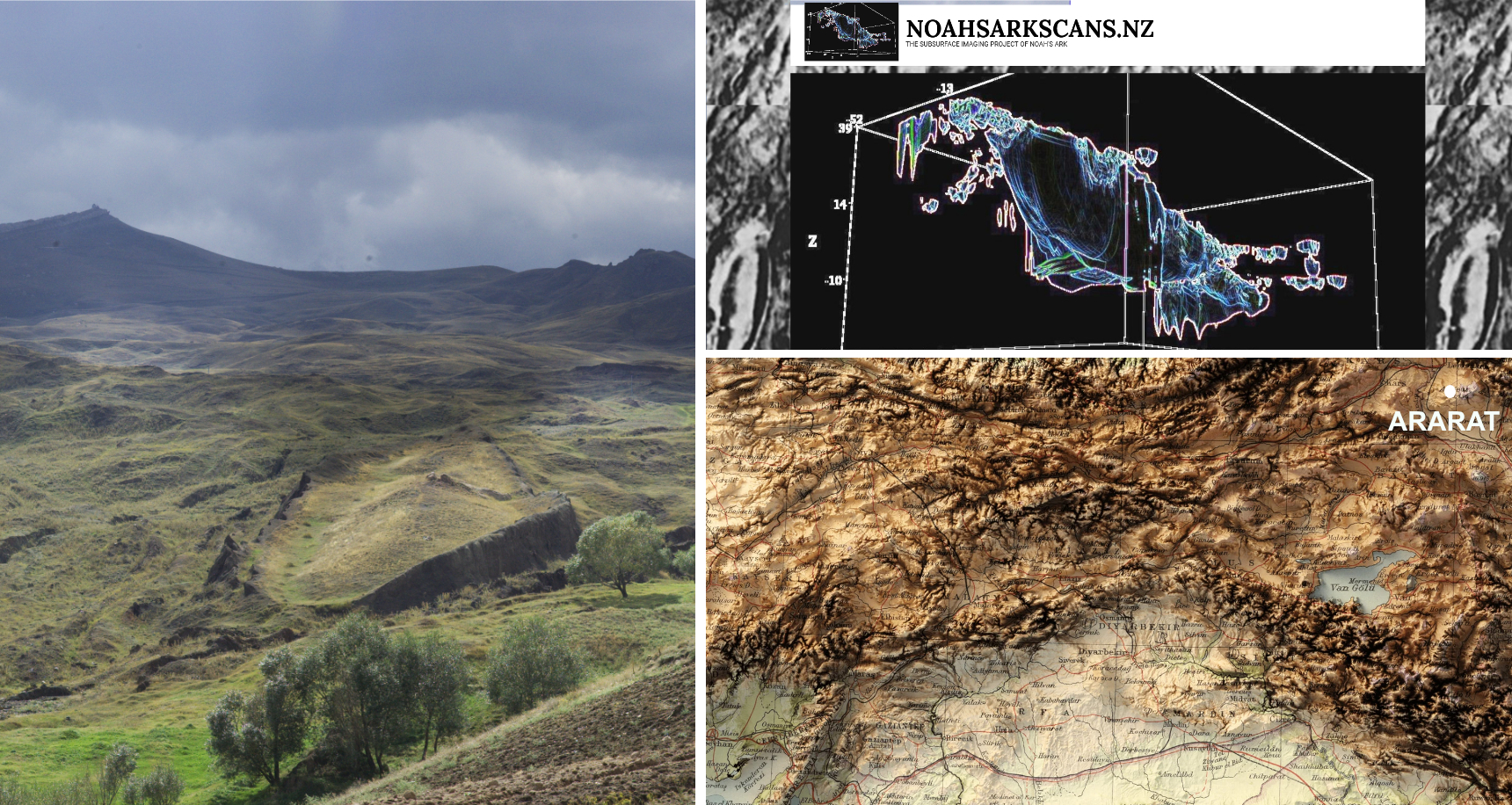
We know from historical geography that Noah’s ark landed in the region of Urartu, also known as the mountains of Ararat, in today’s eastern Turkey, near the Iranian border. This mountain region extends down to the large, fertile plain between the rivers Euphrates and Tigris—a plain that begins in southern Turkey and stretches to the Persian Gulf. This vast plain was called Mesopotamia by the Greeks, meaning ‘the land between the rivers,’ but it was known as the land of Shinar by the Semitic-speaking tribes.
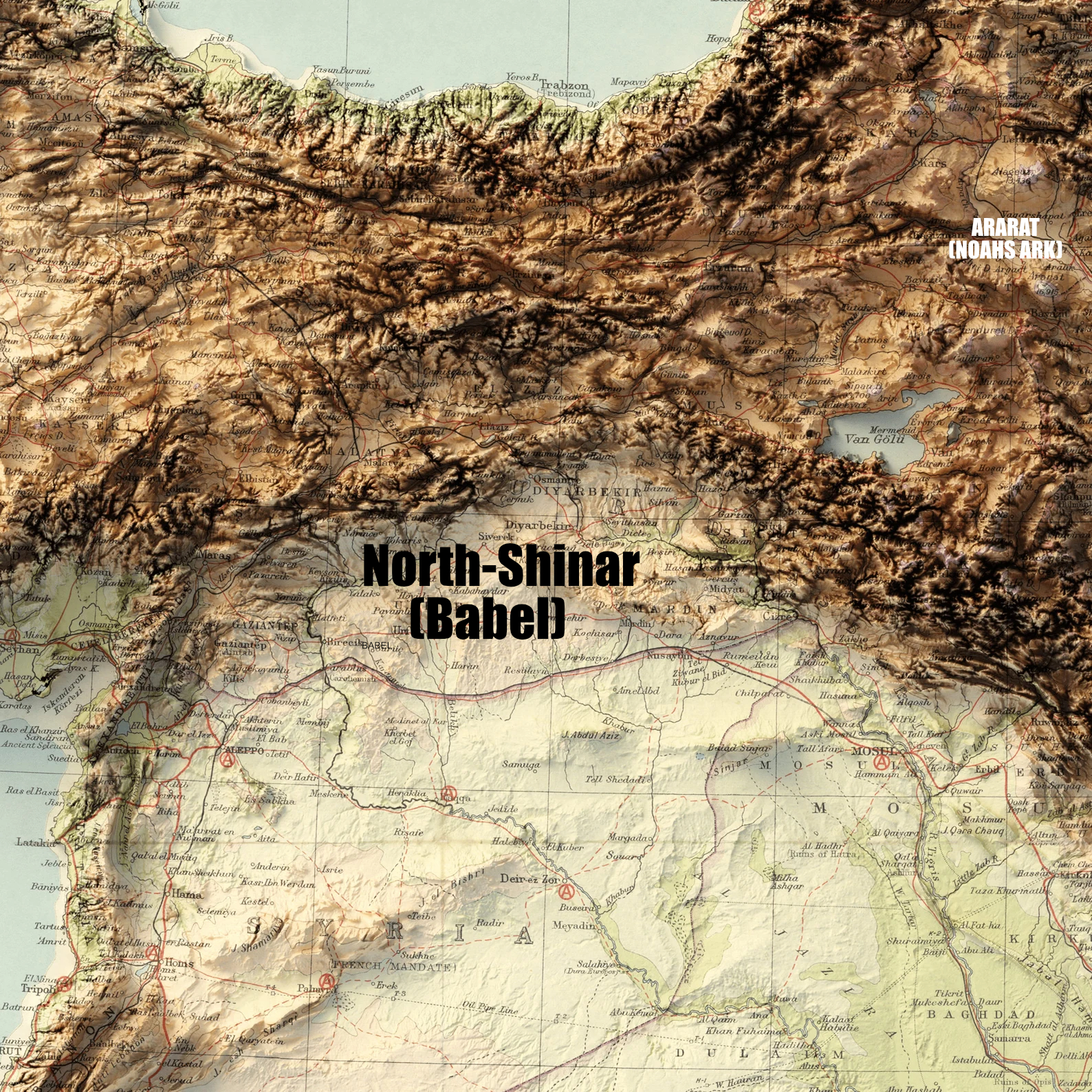
The Tower of Babel was likely built in the northern section of this plain, in today’s Şanlıurfa Province. The later city of Babylon was built further south on the same plain.
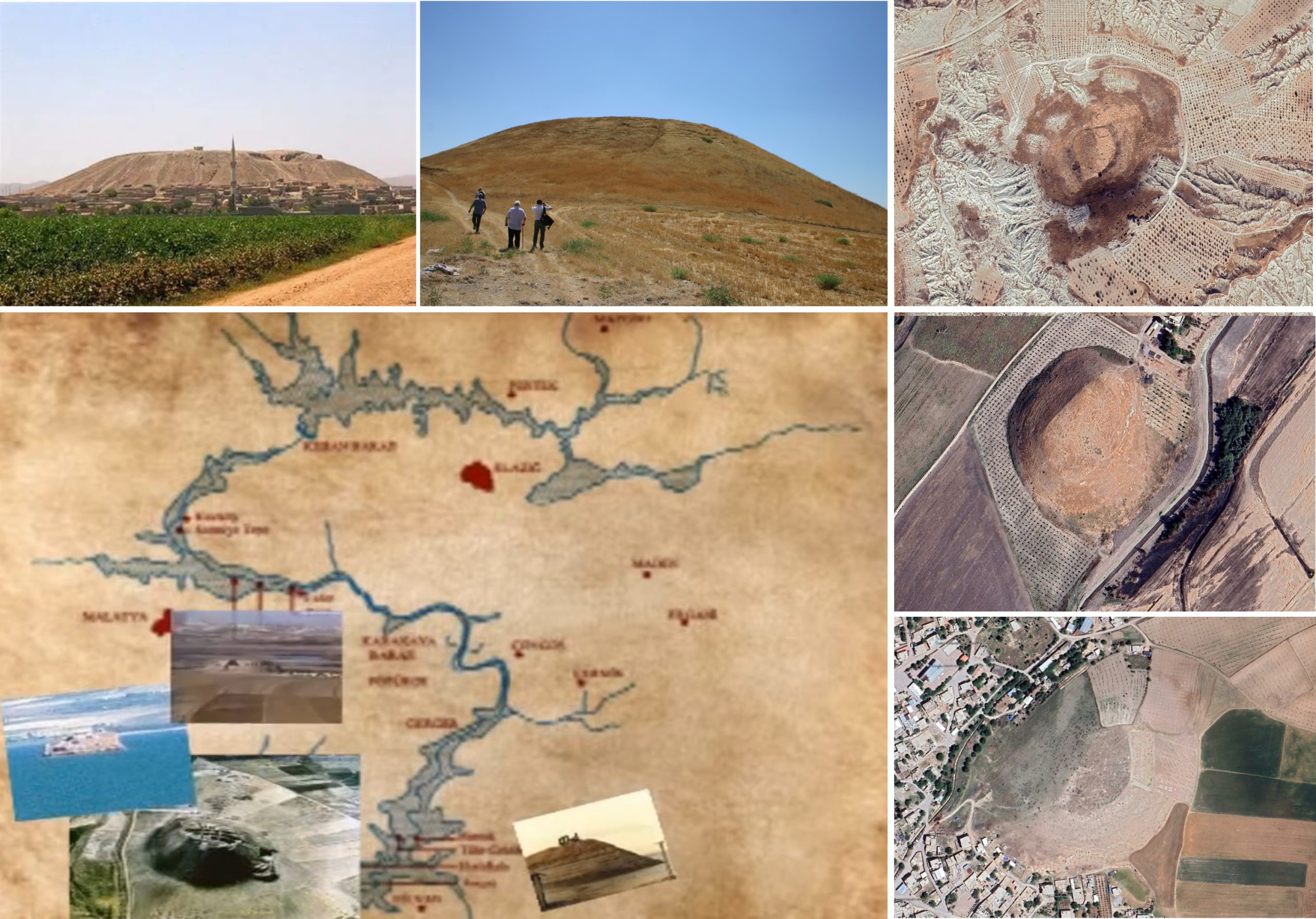
Many ancient cities and ruins have been discovered in the north, including several sites that may once have been cities with towers. However, because so many early settlements have been found in this area, it is difficult to determine which one was the city of Babel, especially if the tower has collapsed and become overgrown. Because of a large dam built by Turkey, many ancient historical sites are now submerged beneath the waters of the Euphrates River.
Many ancient cities and ruins have been discovered in the north, including several sites that may once have been cities with towers. However, because so many early settlements have been found in this area, it is difficult to determine which one was the city of Babel, especially if the tower has collapsed and become overgrown. Because of a large dam built by Turkey, many ancient historical sites are now submerged beneath the waters of the Euphrates River.
It might seem illogical to leave a mountain region to build a tower on a plain, especially when the mountains were still nearby. Even a mountain range continued to the east all the way to the Persian Gulf. If their intention was to be elevated, why not construct the tower on the hills rather than on the flat plain?
The tower was likely intended as a safeguard as they moved down to the fertile lands by the river to begin farming. In this way, they believed they could have the best of both worlds: a tower to retreat to in case of another flood, a better climate, and the rich soil of the plain. These groups did not trust that another flood would never return—they lacked faith in God’s promises. Instead, they tried to analyze the situation with reason, seeking to understand if and how such a disaster could happen again. Their desire was to rely on their own ability to save themselves if another catastrophe occurred. Fear drove people to seek security and strong leaders; as a result, those leading the city and tower project gained significant power. Anyone who did not remain in their favor would lose access to the security and unity they promised. The builders hoped to establish the capital of the world, shaping future generations according to their own ideas and morals.
The Babel-Flood connection
Such hierarchies were partly responsible for causing the flood in the first place. The Bible describes the conditions on earth before the flood:
“There were giants in the earth in those days; and also after that, when the sons of God came in unto the daughters of men, and they bare children to them, the same became mighty men which were of old, men of renown” (Gen 6:4).
The word ‘powerful’ here can also mean a tyrant, giant, or strong man. Rather than referring to demon-human hybrids, which many popular preachers do, the verse is likely describing how those once faithful to God fell away through intermarriage with ungodly women, causing them to abandon their principles. From these unions arose powerful tyrants and leaders.
In the Bible, ‘sons of God’ refers to those who follow God, not those who have rebelled against Him.
As a response to the men’s actions, God responded: “My spirit shall not always strive with man, for that he also is flesh: yet his days shall be an hundred and twenty years” (Gen 6:3).
This shows that the “sons of God” mentioned were humans, not angels, as God’s response is directed at men.
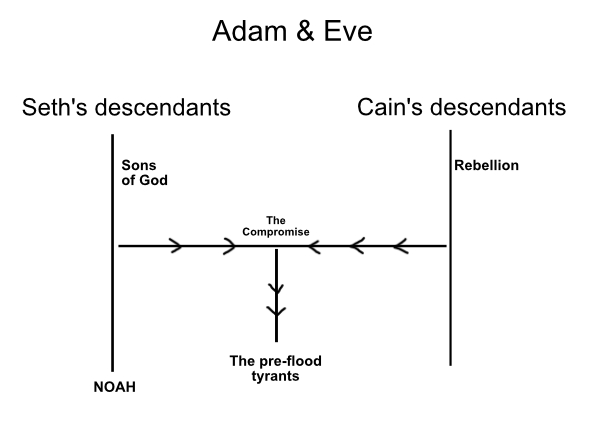
Throughout Israel’s history, their downfall often came when God’s people married pagan wives. Since women typically educated the children, they shaped the future of the nation. Whenever God’s men married pagan women, they strayed from the truth. Even in the first fall of man, Adam was not deceived by the serpent but by his love for his disobedient wife (Gen. 3:6). The problem was not women themselves, but when men allowed their desires to cloud their judgment, leadership, and sense of duty.
One example of a similar situation occurred when Israel was tempted to take Midianite wives at the border of the Promised Land, leading them to mix paganism with God’s truth. It led to the death of many. King Solomon, known as the wise king, became foolish after marrying many pagan wives: “And Solomon did evil in the sight of the LORD, and went not fully after the LORD, as did David his father.” (1 Kings 11:6) “For it came to pass, when Solomon was old, that his wives turned away his heart after other gods…” (1 Kings 11:4)
Another example is King Ahab, who married Jezebel, a pagan royal from Sidon, leading the whole land of Israel into pagan practices and the killing and persecution of God’s prophets.
And the union between the sons of men with the beautiful but idolatrous women before the flood led to similar situations. God told Noah the earth was filled with violence.
“And God looked upon the earth, and, behold, it was corrupt; for all flesh had corrupted his way upon the earth.
And God said unto Noah, The end of all flesh is come before me; for the earth is filled with violence through them; and, behold, I will destroy them with the earth” (Gen 6:12-13).
And God said unto Noah, The end of all flesh is come before me; for the earth is filled with violence through them; and, behold, I will destroy them with the earth” (Gen 6:12-13).
The verse in Genesis 6 explains how all the earth ended up being filled with violence, how everyone ended up leaving God. The children of such a compromise of faith became powerful men who dictated a new way of life to others. The most dangerous combination of deception has always been and will also be the mingling of truth and error. When you have two clear sides that oppose each other, it is fairly easy to navigate and hard to be deceived.
When lust comes before virtue and duty, it sets off a negative chain reaction that a society as a whole has to pay for.
The bible gives us very few details on what actually happened before the flood apart from three things: men were controlled by their lust for women, the world ended up a violent place, and that it was under the control of a few mighty men. Not unlike our world today. Likely there are, of course, many more aspects to what happened, yet God chose to point out these three evils as the main cause of what made everything spiral out of control.
God had no influence over them; they would not listen, and they would not stop the spree of violence. Only Noah and his family were left alive of those following Him, and He was not going to allow them to kill or destroy the last family as well. Rather, God would turn the tables and save the last remaining family.
When lust comes before virtue and duty, it sets off a negative chain reaction that a society as a whole has to pay for.
The bible gives us very few details on what actually happened before the flood apart from three things: men were controlled by their lust for women, the world ended up a violent place, and that it was under the control of a few mighty men. Not unlike our world today. Likely there are, of course, many more aspects to what happened, yet God chose to point out these three evils as the main cause of what made everything spiral out of control.
God had no influence over them; they would not listen, and they would not stop the spree of violence. Only Noah and his family were left alive of those following Him, and He was not going to allow them to kill or destroy the last family as well. Rather, God would turn the tables and save the last remaining family.
When the descendants of Noah began forming alliances and seeking ways to control one another, led by a new group of powerful men such as Nimrod, God knew He had to act, or the situation would quickly return to what it had been before the flood. A world controlled by tyrants who mingled truth and error, leading to the great falling away and ultimately their own destruction.
About Nimrod the Bible says:
About Nimrod the Bible says:
“And Cush begat Nimrod: he began to be a mighty one in the earth. He was a mighty hunter before the LORD: wherefore it is said, Even as Nimrod the mighty hunter before the LORD” (Gen 10:8-9)
If the city of Babel would succeed in their plans, God’s faithful would not stand a chance. But neither would humans be free. What looked like peace and security was only an illusion of control. What looked like saviors were the predators.
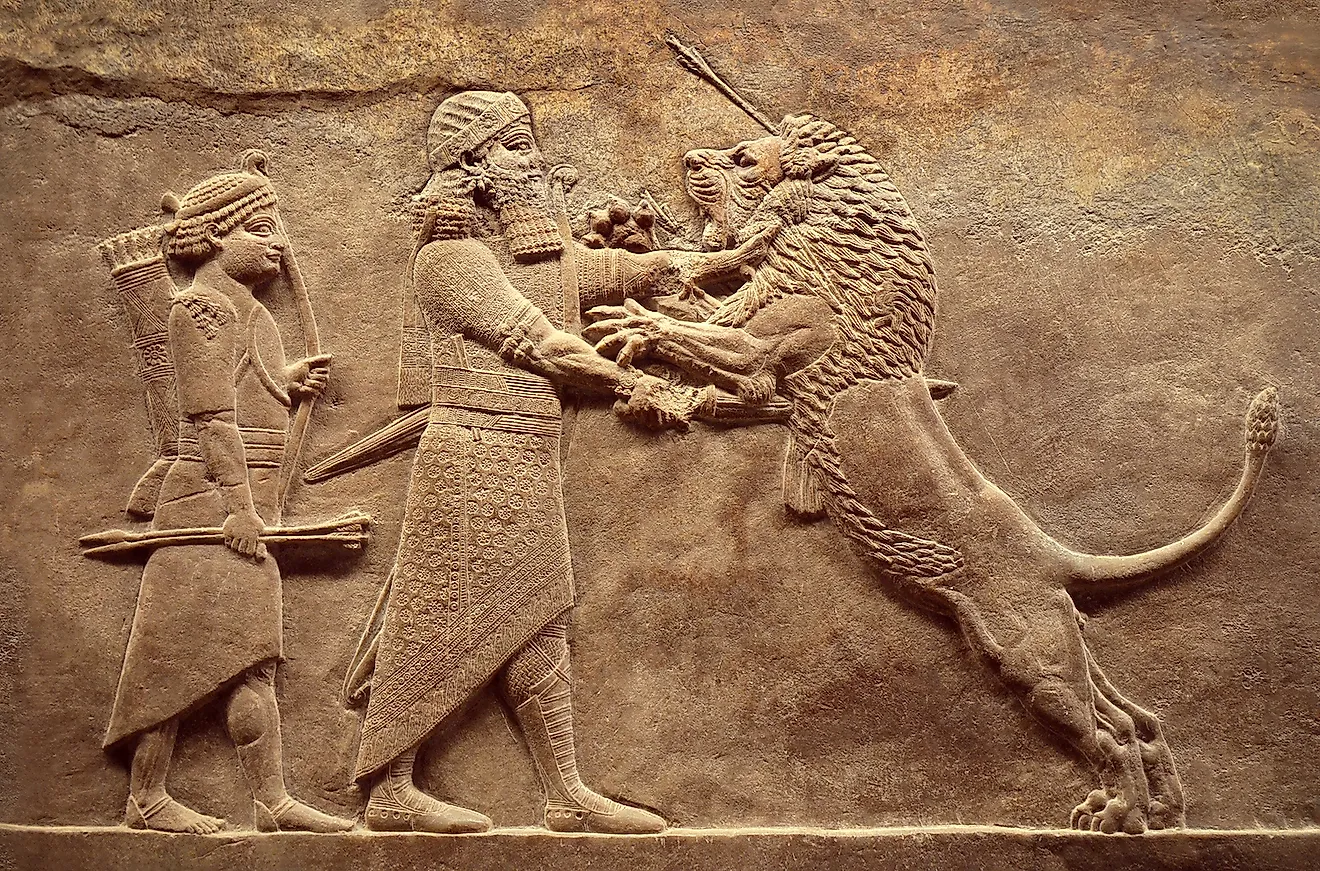
The first kings of Mesopotamia are depicted in discovered reliefs portraying them as saviors. The very same wild beasts God had said he would protect them from, they claimed they were protecting them from, taking God’s place in their hearts or as mediators of God’s protection. The leaders used superstition and desire for safety to elevate their own power. A savior is always looked upon with reverence – and with it came permission to dictate the rules of the land. By scattering the people from Babel, God took leadership from a few hands and spread it among many, making it easier for the people to have a say in their own future. One corrupt king could easily be taken down among many kings and people, but if only a few powerful individuals controlled the masses, the people would be unable to act if the leadership became despotic. And in part it was this God tried to save them from.
The first kings of Mesopotamia are depicted in discovered reliefs portraying them as saviors. The very same wild beasts God had said he would protect them from, they claimed they were protecting them from, taking God’s place in their hearts or as mediators of God’s protection. The leaders used superstition and desire for safety to elevate their own power. A savior is always looked upon with reverence – and with it came permission to dictate the rules of the land. By scattering the people from Babel, God took leadership from a few hands and spread it among many, making it easier for the people to have a say in their own future. One corrupt king could easily be taken down among many kings and people, but if only a few powerful individuals controlled the masses, the people would be unable to act if the leadership became despotic. And in part it was this God tried to save them from.
A beastly government
In the bible, governmental institutions that take a God-like position in people’s lives are symbolized as beasts. They take God’s place, they divert people’s adoration to themselves, and they dictate laws that violate God’s laws with the approval of the people. Nothing is as effective in controlling a group of people as to play on superstition and fear and then present yourself as the savior. At the time of Babel, everyone could see the aftereffects of the flood clearly, and using this, to them, natural disaster to create fear was the perfect way to convince them to stay together and give up freedom for peace and security.
What God was preventing at Babel, Jesus explained, ought never to be the methods of Christians. They must never become a beastly government in His name. Never to follow in the footsteps of Babel:
“Jesus called them unto him, and said, Ye know that the princes of the Gentiles exercise dominion over them, and they that are great exercise authority upon them.
But it shall not be so among you: but whosoever will be great among you, let him be your minister;
And whosoever will be chief among you, let him be your servant” (Mat 20:25-27)
But it shall not be so among you: but whosoever will be great among you, let him be your minister;
And whosoever will be chief among you, let him be your servant” (Mat 20:25-27)
God creates tribes
In Babel, the Bible says: “And the whole earth was of one language, and of one speech. And the LORD came down to see the city and the tower, which the children of men builded.
And the LORD said, Behold, the people is one, and they have all one language; and this they begin to do: and now nothing will be restrained from them, which they have imagined to do.
Go to, let us go down, and there confound their language, that they may not understand one another’s speech.
So the LORD scattered them abroad from thence upon the face of all the earth: and they left off to build the city.
Therefore is the name of it called Babel; because the LORD did there confound the language of all the earth: and from thence did the LORD scatter them abroad upon the face of all the earth” (Gen 11:1-9)
And the LORD said, Behold, the people is one, and they have all one language; and this they begin to do: and now nothing will be restrained from them, which they have imagined to do.
Go to, let us go down, and there confound their language, that they may not understand one another’s speech.
So the LORD scattered them abroad from thence upon the face of all the earth: and they left off to build the city.
Therefore is the name of it called Babel; because the LORD did there confound the language of all the earth: and from thence did the LORD scatter them abroad upon the face of all the earth” (Gen 11:1-9)
Nimrod and the strongest remained closer to the area as conflicts quickly rose after the calamity. God confusing the languages did not just cause a rift between the people, but also created a renewed bond and alliance among those who shared the same language. By it, God influenced who went where and with whom, creating strong, separate tribes.
The strongest in the conflict, men such as Nimrod, stayed in the region and built several now-known historical cities.
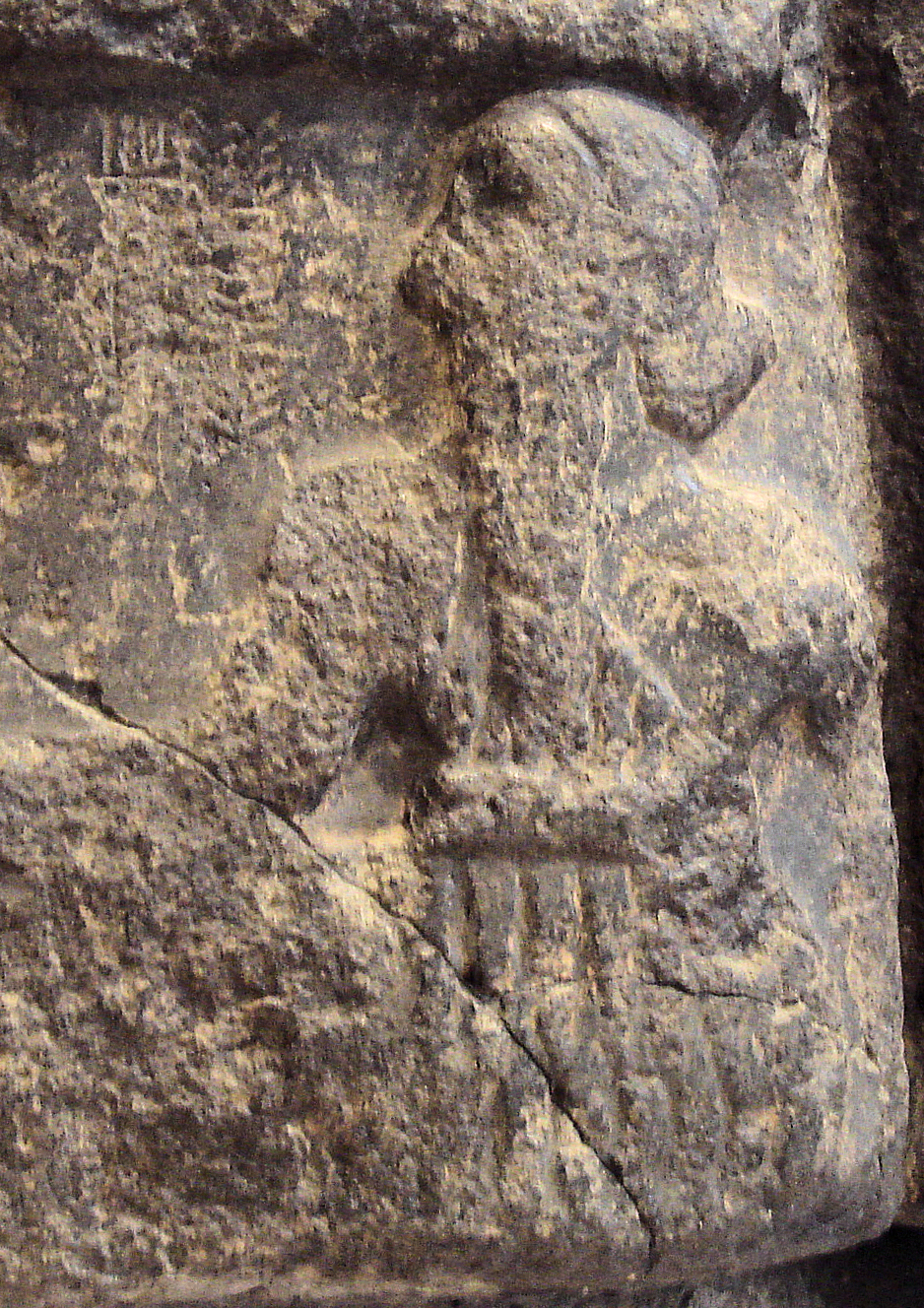
“And the beginning of his (Nimrod’s) kingdom was Babel, and Erech, and Accad, and Calneh, in the land of Shinar.” (Gen 10:10)
It was at this time that the tribes of Japheth began moving toward their allotted territory in the west. Genetically, the descendants of Noah had already interbred, so many tribes did not consist of a single paternal lineage. Nevertheless, God grouped them into tribes based on close family ties, either through marriage or ancestry. Most of the genetics we see today come from this mixed genetic pool at Babel, except for those who stayed behind in the Urartu region.
Choosing a nation
Just as God had scattered the tribes at Babel, only one thing could prevent the rapid rise of another world-dominating power: a strong presence of people allied with God. The largest populations initially settled directly north, south, west, and east of Babel, and many did not move far at first.
The far-reaching influence of Babel is evident worldwide, as many ancient cultures shared similar religious concepts, especially those connected to nature and sun worship.
The far-reaching influence of Babel is evident worldwide, as many ancient cultures shared similar religious concepts, especially those connected to nature and sun worship.
Before the flood, only Noah and his family remained. The rest of God’s people had either been killed or deceived. At Babel, the conditions began to look the same, and even though the people spread, they did so with the same religious ideas that had led them away from God. First, a combination of true and false worship which merged into what the bible calls idolatry. Although God had separated the tribes, he spoke of them in uniform regarding religion. For there are only two religions in the Bible, that of the “goy” or nations, which is paganism, and that of God’s people who worship the true God and follow God’s laws. Between the two groups are those who blend the two, which is called an abomination.
The confusion of Babel’s religion was so devastating that only one man—Abraham—remained completely faithful to God in the years that followed. Even Abraham’s wider family had gone astray, and if he had remained with them, his future descendants would have been affected.
Amid the nations, God wanted to establish a land that would represent Him to the world—a kingdom of priests, a light in the darkness, and a hope amid strife and death.
From the land of Shinar, God called Abraham to journey to the land promised to him, giving him the task of becoming the forerunner of such a kingdom. It was God’s plan that, from the territory Canaan had taken—land not originally given to him—God would restrain any attempts at world domination through the witness and influence of His people. This land would also serve to keep Egypt, Cush, Javan, and the kingdoms of Mesopotamia divided, preventing them from forming a single powerful empire.
The confusion of Babel’s religion was so devastating that only one man—Abraham—remained completely faithful to God in the years that followed. Even Abraham’s wider family had gone astray, and if he had remained with them, his future descendants would have been affected.
Amid the nations, God wanted to establish a land that would represent Him to the world—a kingdom of priests, a light in the darkness, and a hope amid strife and death.
From the land of Shinar, God called Abraham to journey to the land promised to him, giving him the task of becoming the forerunner of such a kingdom. It was God’s plan that, from the territory Canaan had taken—land not originally given to him—God would restrain any attempts at world domination through the witness and influence of His people. This land would also serve to keep Egypt, Cush, Javan, and the kingdoms of Mesopotamia divided, preventing them from forming a single powerful empire.
The Middle East was the great meeting point for the tribes of Shem, Japheth, and Ham—a place where all the tribes interacted through trade and education. God placed His land in the center of these peoples: Shem and the kings of the east to the east, Ham to the south, and Japheth to the west, with the near north belonging to Shem and the far north to Japheth. The Middle East has always been a hub of major trading networks. When Canaan strategically positioned itself in the middle and became severely corrupt and powerful, the territory became especially important to seize.
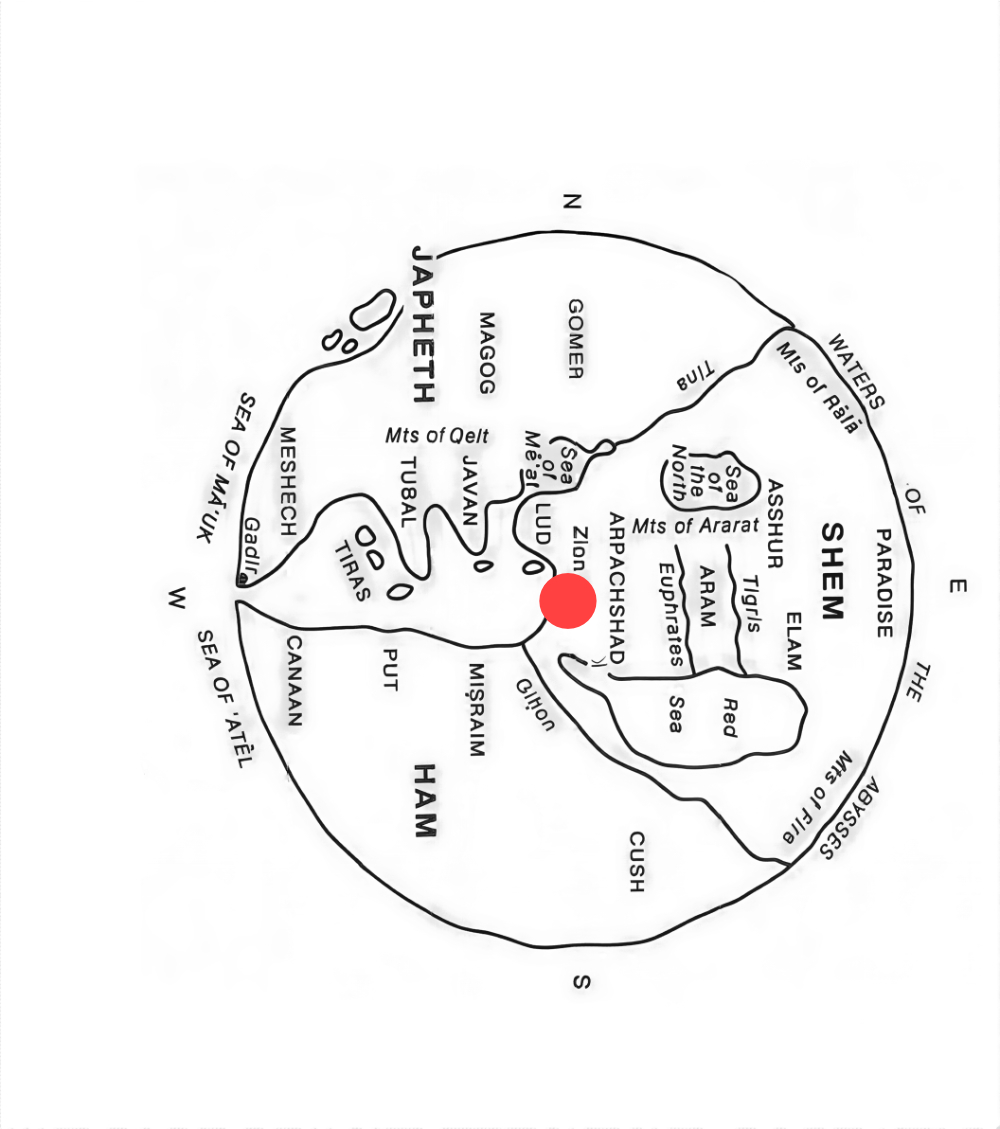
It was only after Israel failed in their mission that the great Middle Eastern empires arose, beginning with the Babylonian Empire, which unified the Middle East and territories beyond. Because of Babylon’s power, other nations felt compelled to follow its example—not only to secure their own dominance but also to prevent other powerful nations from subduing them. Medo-Persia followed Babylon’s lead, expanding its empire across the Middle East; the Greek Empire did the same, and then the Roman Empire established itself as the new center of the world. Eventually, Western European nations colonized vast regions worldwide through religion, diplomacy, alliances, colonization, and military campaigns.
PART 2 (COMING):
The sons of Japhet