
In Daniel Chapter 8, the successive kingdoms are mentioned again, this time identifying “Media Persia” and “Greece” (Dan. 8:20-21). While the first power was identified already when Daniel said to Nebuchadnezzar: “thou art this head of gold” (Dan.2:38)
That left only one power to be identified: the Iron kingdom with its divisions. Jesus himself identified it, as recorded in the gospels. There are several reasons why God may have waited to name Rome explicitly, unlike the earlier kingdoms. One reason is Rome’s rapid rise to power. When the angel identified Media, Persia and Greece, it was during the reign of Babylon’s last king, around 540 BC. At that time, Rome was still a minor city ruled by kings, embroiled in local conflicts. Naming Rome too early would not only have predicted the future but might also have interfered with it, as Rome was vulnerable then. If Nebuchadnezzar or Alexander the Great had known about Rome’s future, they could have easily destroyed it. This is similar to the idea of going back in time to stop a future dictator before his crimes. If we destroyed people for sins not yet committed, we would be playing God. When one power falls, another usually rises. God does not prevent bad rulers from being born; rather, He instructs His people on how to handle challenges and offers help. In this way, God judges openly, making His judgments clear and understandable. He also places the responsibility to do good on humanity. If we are never challenged or never make our own decisions, we are neither free nor able to grow. God also tests us to see if we will do what is right. God revealed the future to Daniel; He did not force it to happen. Our decisions are what shape the future.
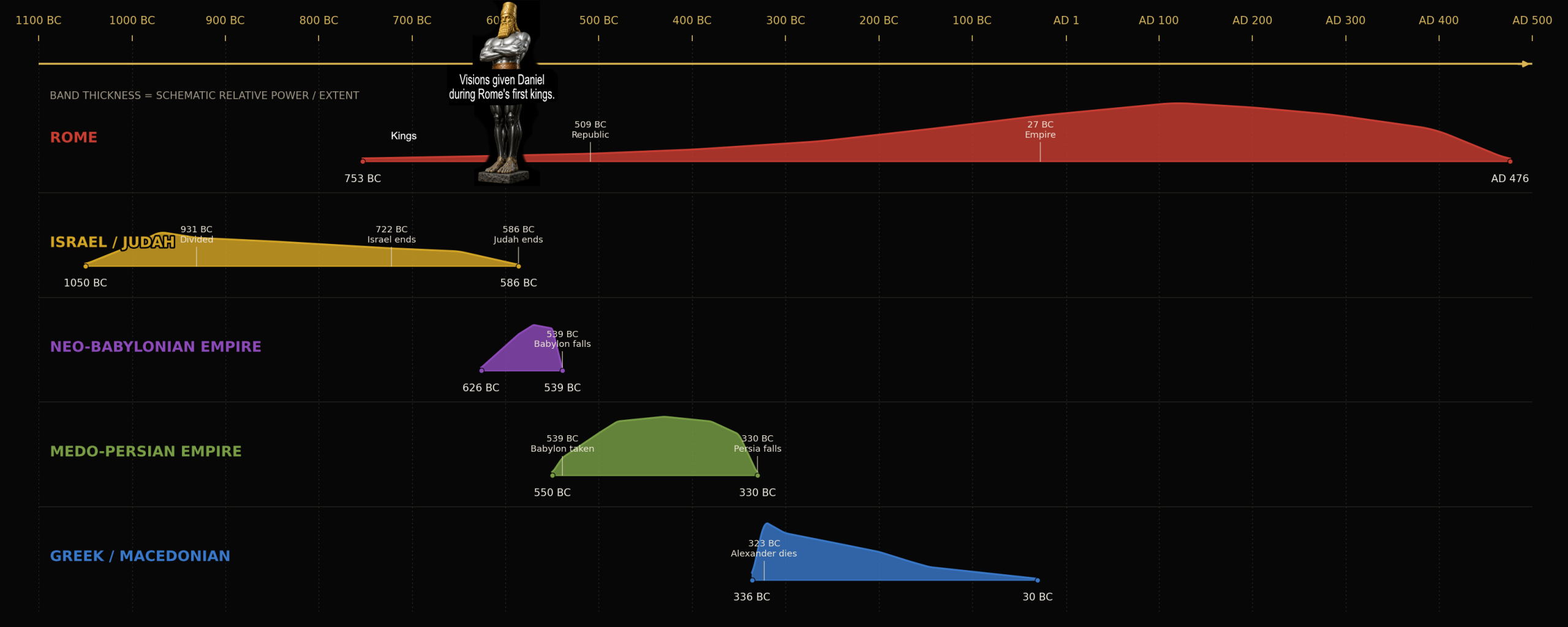
The Greeks and the Medo-Persians were already powerful nations when they were mentioned. God does not punish a people for crimes they have not yet committed. Instead, He gave enough information so that, when the prophecy was fulfilled, it would be clear who the power in question was. This prophecy was meant to be fully understood as it unfolded, not in advance. Another beast God did not mention by name is the USA—the second beast in Revelation 13, the power that rises before Christ’s return. If God had named this power before it existed, it would not have been called by that name; Christians might not have sought refuge there, and the USA may never have become a model for separating church and state or for promoting freedom of expression and thought.
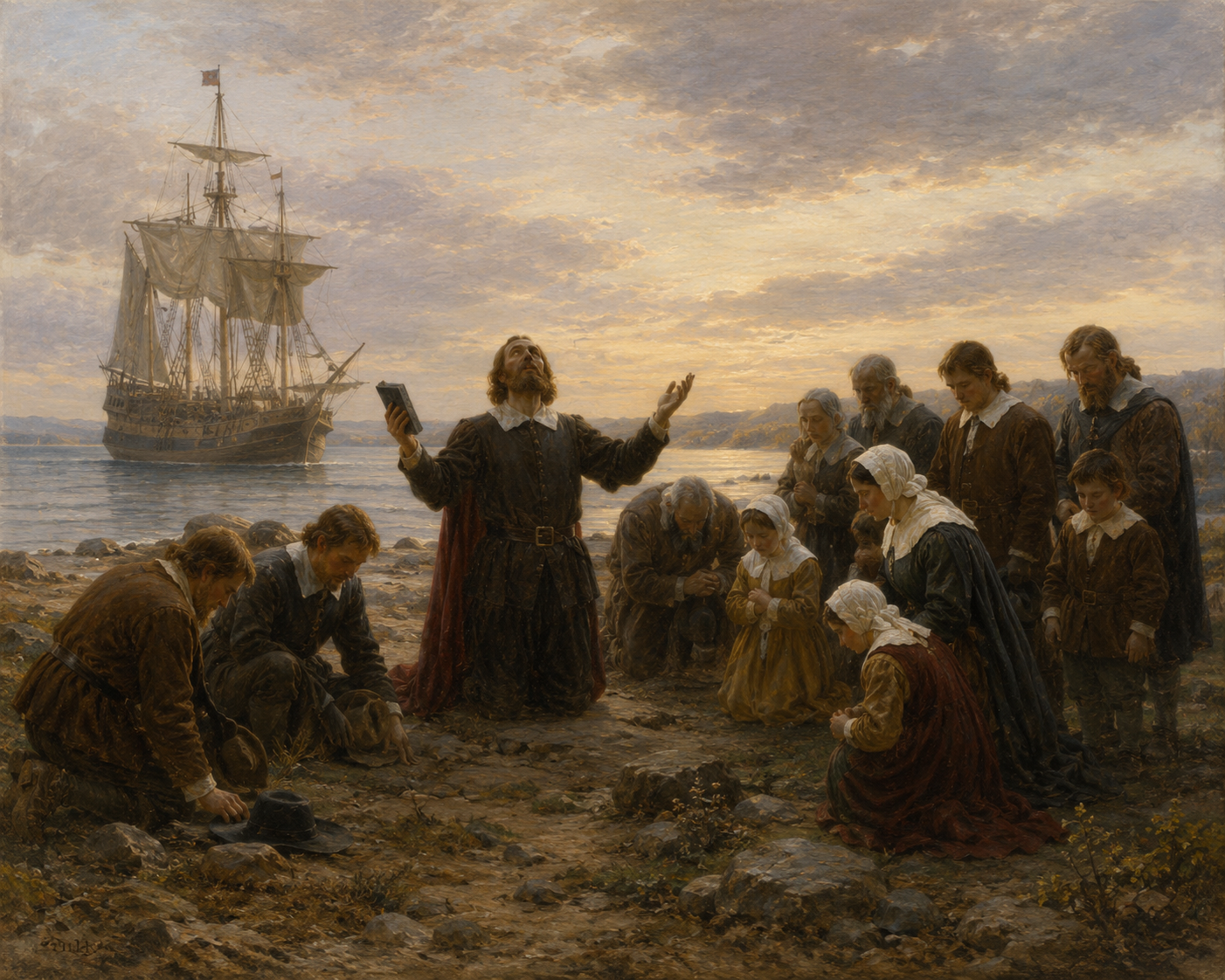
A power that ultimately does evil might even have a positive impact earlier on. For the Christians fleeing European intolerance, they needed this place to grow and prosper, and so they have. Preventing this by instantly painting the bad things the USA would one day do could have changed the world to an even quicker totalitarian system by other powers, and prevented further reformation among God’s people. When people are busy surviving, they are not thriving and not growing. So, in a way, the USA can be the “bad guy” and the one who slowed down God’s judgments at the same time.
In Daniel 7, Rome is described as a terrible beast unlike any other. Its rise changed the power dynamics of the Middle East and, at first, brought a measure of stability. The Seleucid leader Antiochus IV Epiphanes (175–164 BC) had a notorious reputation. He attacked Jerusalem, killed and enslaved many, plundered the temple, and stole its treasures. He banned Jewish religious practices—including circumcision, Sabbath observance, and sacrifices. He ordered the Torah destroyed and forced Jews to take part in pagan sacrifices and eat unclean meat. He further desecrated the temple with pagan cults, executing those who resisted.
When Rome first subdued the Jews, they were allowed to live in relative peace and freely practice their faith. They could circumcise, observe the Sabbath, read the Torah, and perform their temple rituals. Rome even excused them from participating in pagan cults. Initially, Rome was a more tolerant oppressor than others. If the Jews had not revolted, they might have continued to enjoy these freedoms. Rome’s oppression was not part of God’s original plan; it was a consequence of the people’s disobedience and their rejection of God as king. Without Rome, Judea’s downfall might have happened even sooner.
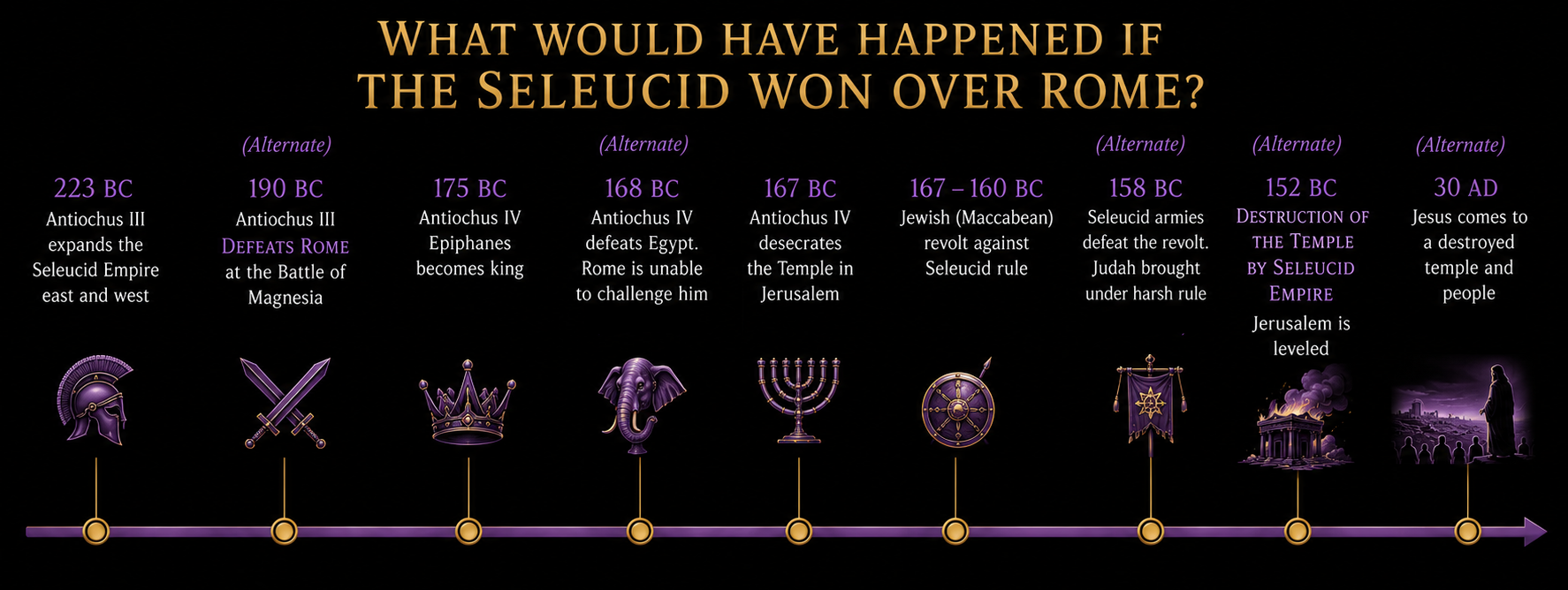
Judea desperately needed liberation from Seleucid oppression. From a broader perspective, only Rome was strong enough to break the Seleucid grip on Judea. Without Rome, there might not have been a Jewish nation or temple for Jesus to visit. The freedoms Jews experienced under Roman rule allowed Jesus to teach and minister. Rome would not have executed Jesus without the insistence of the Jewish leaders.
Because of Antiochus IV Epiphanes’ actions, many Jews believed he was the power warned about in Daniel 8. The prophecy describes the Greek empire: “the great horn was broken; and for it came up four notable ones toward the four winds of heaven.” Then it says, “And out of one of them came forth a little horn, which waxed exceeding great, toward the south, and toward the east, and toward the pleasant land. …Yea, he magnified himself even to the prince of the host, and by him the daily sacrifice was taken away, and the place of his sanctuary was cast down. And an host was given him against the daily sacrifice by reason of transgression, and it cast down the truth to the ground; and it practiced, and prospered” (Daniel 8:9, 11–12).
If this prophecy were only about Antiochus IV Epiphanes, it would mean the greatest threat was already past, and all that remained was the restoration of God’s kingdom. Even today, focusing on Antiochus IV Epiphanes as the main power in this prophecy leads many Christians to repeat past mistakes, seeking refuge in the very power the prophecy warns against.
Although Antiochus’s actions were terrible, Jewish kings had committed similar or even greater offenses. For example, King Manasseh desecrated the temple, introduced pagan gods there, killed God’s prophets, and altered God’s feasts and times. Antiochus was neither the first nor the last to commit such acts.
The confusion over the identity of the power in Daniel 8 centers on two points. First, the text suggests that this power arises from one of the goat’s horns. Second, it appears to say that this power would take away the daily sacrifice, as Antiochus did when he forbade temple rituals. However, this interpretation is a deliberate distraction, created by God’s enemies, to mislead His people into allying themselves with the very power they are warned against.
First, the word “sacrifice” does not actually appear in the original text—translators inserted it to support their interpretation. Second, the horn in question does not emerge from one of the horns of the goat.
“And for it came up four notable ones toward the four winds of heaven.” The grammar indicates that the horn comes from one of the four winds, meaning a direction, not from one of the horns themselves.
By careful wording, God makes it possible for those seeking truth to see it clearly. The text describes a progression of increasing power: the ram (Medo-Persia) “became great,” the Greek goat “became very great,” and the horn from the winds “became exceedingly great.” The grammar shows a new power, greater than the former ones, is coming. This was not true for Antiochus—he never matched the power of Alexander the Great, and his kingdom was short-lived. He was just one of the many rulers in the Greek line, not the iron kingdom.
By focusing on the Seleucid Empire as the main enemy, the Jews ended up allying with Rome. Similarly, many Christians have focused on the Seleucid ruler in this prophecy and have, in turn, formed alliances with Papal Rome. Looking back, we see that Antiochus’s actions were short-lived and not unique—similar things had happened before. Rome, however, did not just desecrate the temple area; it destroyed the temple, scattered the people of Jerusalem, and remained a powerful force through history. Antiochus was not a new power but one of a little over twenty kings in the Greek-Syrian line. He was never the greatest, nor was he independent of his own kingsline. He was known to suffer defeat. His father sent him to Rome as a hostage for a pledge before he returned, and when Antiochus tried to expand his power in Egypt, the Romans drove him back, leading him to attack Jerusalem instead. Even then, his influence was brief and far less than other kings in his line.
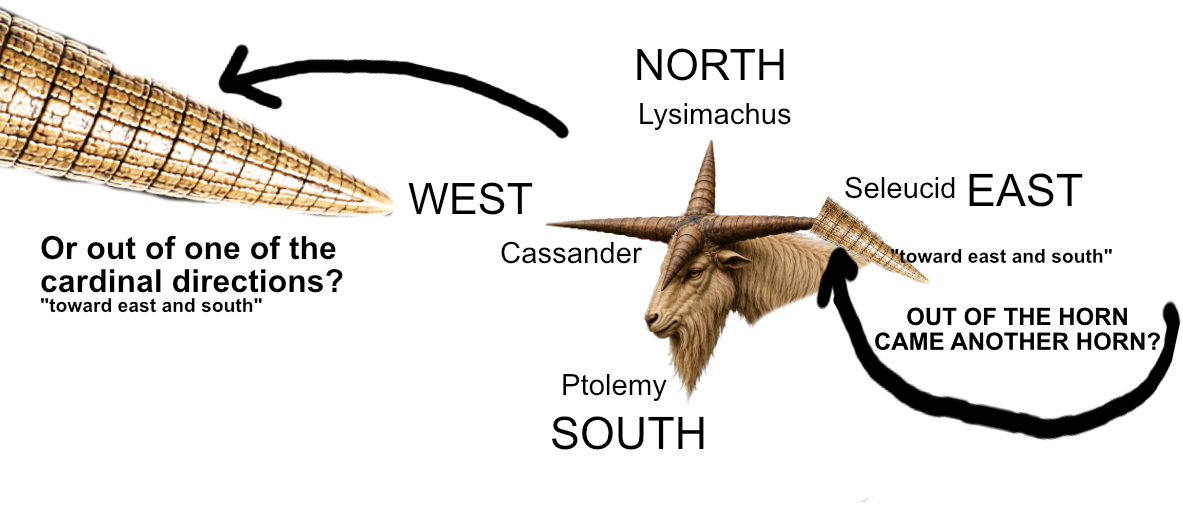
Let’s look at the true meaning of the text. In harmony with the previous two visions, it becomes clear that the next power did not come from the Greek empires. Instead, it was a new power, a new beast with its own horns.
“And out of one of them came forth a little horn, which waxed exceeding great, toward the south, and toward the east, and toward the pleasant land”
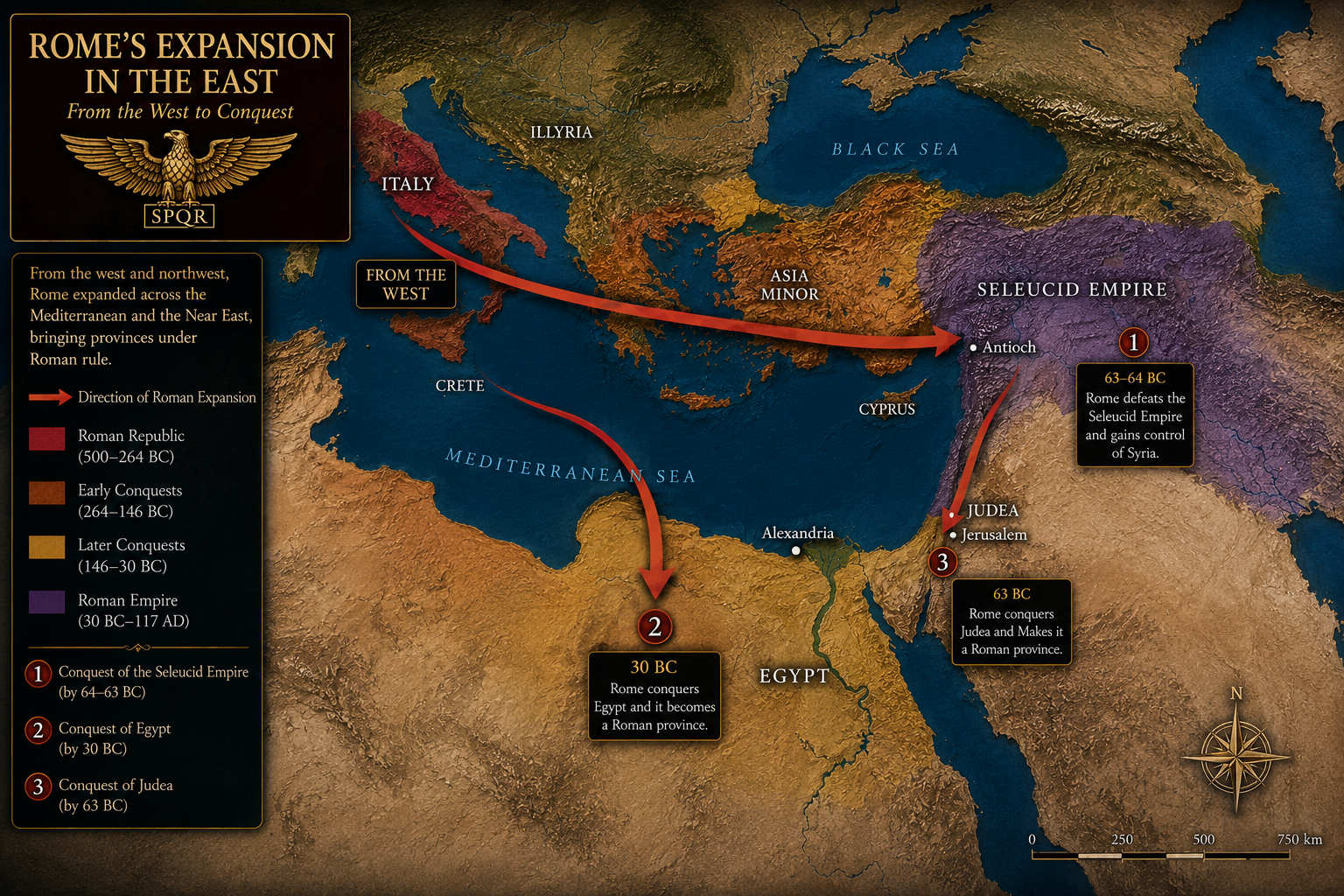
Rome began as a minor kingdom, concerned only with its immediate surroundings. Its expansion into the Middle East was both unexpected and powerful. Rome conquered Egypt to the south, the Seleucid territories to the east, and eventually Judea and Jerusalem. The horn grew greater as it stretched east and south, which fits Rome’s history.
But then the direction changes upward: “And it waxed great, even to the host of heaven; and it cast down some of the host and of the stars to the ground, and stamped upon them” (Dan. 8:10).
What earthly power could defeat the stars of heaven? In Revelation, the leaders of God’s churches—or His messengers—are called stars in Christ’s hand. In Joseph’s dream, eleven stars represented his patriarch brothers, the sons of Israel, or Jacob (Gen. 37:9–10).
Even Jesus, in His role as leader, is called a star (Num. 24:17). In another chapter of Daniel, it says, “the wise [or righteous] shall shine… as the stars for ever and ever” (Dan. 12:3).
Finally, the symbolic woman who brings forth Jesus is described as having a crown of twelve stars, often associated with the twelve tribes of Israel or, by some, the twelve apostles. Not only in the Bible but also in other cultures, stars were symbols of leadership.
So, “and it cast down some of the host and of the stars to the ground, and stamped upon them” does not refer to angels in heaven, over whom earthly powers have no authority. Rather, it refers to the leaders of God’s people. This is what happened when Rome subdued the Jewish rulers and brought Judea under Roman rule.
The next focus continues on its crime against God’s people and God Himself.
“Dan 8:11: Yea, he magnified himself even to the e place of his sanctuary was cast down.
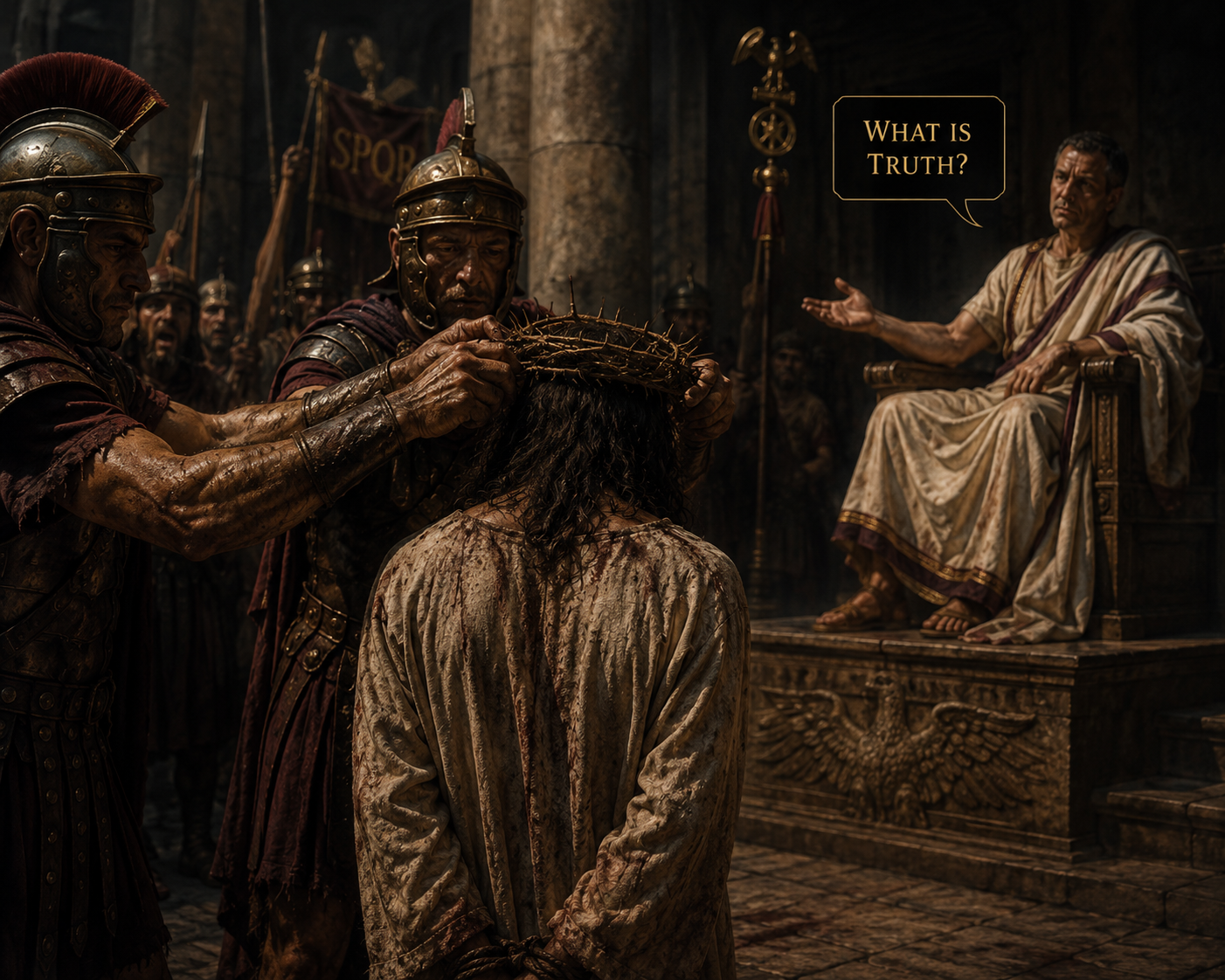
None other than Rome and the Jewish leaders exalted themselves against the Prince of the host. By standing face to face with Jesus Christ—the true King of the earth—mocking and crucifying Him after learning He was a true king, Rome fulfilled this prophecy. No other power before or after has done or could do such a thing. The title “Prince of the host” carries deep meaning. On earth, Jesus had not yet been crowned King; He gave up His divine nature by becoming human and was a Prince awaiting His kingdom. However, He was still the leader of the angels in heaven. “Lord of hosts” is a common biblical title for God’s authority. Jeremiah 10:16: “the LORD of hosts is his name.” Amos 4:13: “The LORD, the God of hosts, is his name.” The “Prince of hosts” likely refers to Jesus here on earth, the only time it was possible for a power to exalt itself over him.
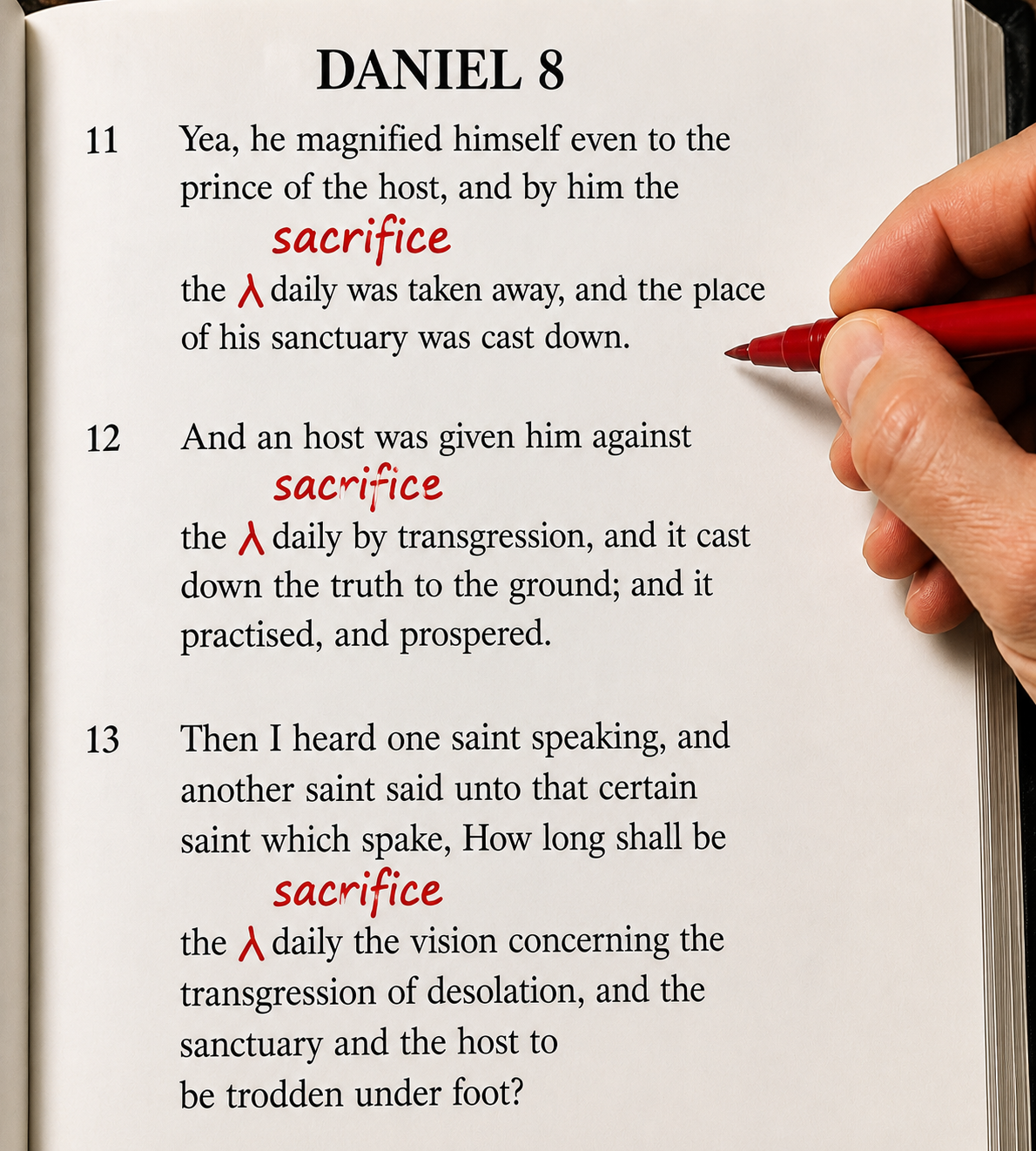
The next part of the prophecy is often debated: “and by him the daily was taken away, and the place of his sanctuary was cast down.” Many interpreters have inserted the word “sacrifice” here to make it seem as if this refers to the earthly sanctuary in Jerusalem. However, the real meaning is connected to Christ, who had already left the earthly sanctuary. Jesus said about the Jewish temple: “your house is left unto you desolate” (Matt.23:38). In Daniel 9:24 and 27, we learn that Christ brings an end to the daily sacrifices in the temple, since God did not intend them to continue in competition with the cross. Therefore, it was not this enemy power that brought about the end of the Jewish sanctuary service—it was God. Rome did, however, destroy the temple, which was the physical end of it. The enemy’s next attack targeted the followers of the Prince of Hosts, not the Jewish temple itself. In Revelation we see Christ continuing the sanctuary connected to His earthly temple, which is His people.
Christ identifies with His people, so Rome’s persecution of Christians was an attack against the Prince of Hosts Himself and fulfilled this prophecy.
Then, as this fails to overthrow God’s truth, Rome turns and destroys its own sanctuary to their own gods: “and by him the daily was taken away, and the place of his sanctuary was cast down”. Rome throws away its own sanctuary; it desecrates its own gods. The word translated “daily” simply means something that had been continuing for a long time. Paganism had been the religion of the world through all the powerful empires and leaders. Rome stopped this line and changed its appearance. This was fulfilled when Constantine converted to Christianity, Eusebius mentions temples at Aphaca and Heliopolis, for example. He confiscated treasures and statues from some temples. Theodosius I (AD 379–395) issued laws in AD 391–392 prohibiting sacrifices and other traditional pagan cult practices.
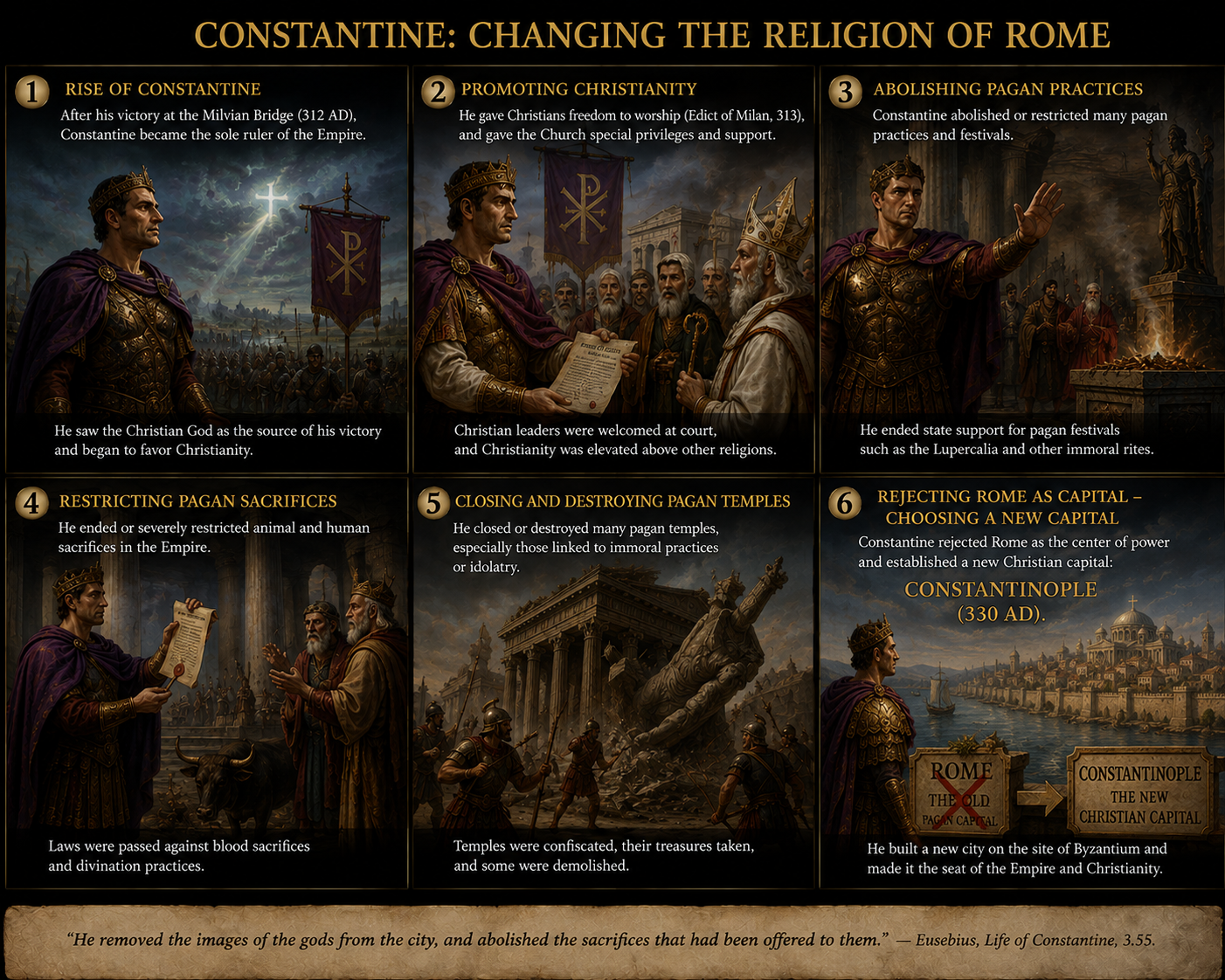
This is the “daily” or continuation that was replaced by a new practice the Bible calls “the abomination”. All other beasts before had been pagan; it had been the ever-existing threat against God’s people. Now they were placed in a new territory. The power that had persecuted them had become one of them, as their religious king. One bad thing had been replaced with an even more terrifying thing.
In Daniel 7, we are told that the Roman beast became different from the others. This is certainly one way it changed. Religiously, as pagans, Rome had largely echoed the Greek and Babylonian religious practices with their own variations. The conversion to Christianity was something entirely new and unexpected.
But what many Christians saw as glory, conquest, peace, and prosperity, or as the world’s conversion, is described differently by God. The Bible is clear throughout history that mingling truth and error for prosperity leads to the corruption of the soul. It always was, and is, a self-deception.
The Roman leadership did more than desecrate their own temples; they also abandoned Rome as the capital. Constantine moved the capital to Constantinople, where most emperors ruled thereafter. Rome itself was eventually handed over to the Roman-appointed Christian leaders: the popes.
This same transaction is brought to view in Revelation 13: 2, where it is said that the dragon, pagan Rome, gave to the beast, papal Rome, his seat, the city of Rome. By both changing his capital, and rejecting his own gods: the place of Rome’s sanctuary “was cast down” (Dan.8:11).
Dan 8:12: And an host was given him against the daily by reason of transgression, and it cast down the truth to the ground; and it practiced, and prospered.
Again, the word “sacrifice” is often added here, though it does not appear in the original text. This addition makes it seem as if the verse refers to Jerusalem, but at this point, Jerusalem was a Roman city and God’s people were scattered across many lands. This is not about the temple in Jerusalem.
Here is described the next phase of Rome, not the new capital the Roman emperor had withdrawn to. We are talking about the continuation in Rome. The shift from paganism to Christianity was made possible by a large group of people who helped facilitate the transition. Without “a host,” Rome could not have successfully changed its religion. Usually, a leader would be overthrown if he rejected the people’s adored gods. But Rome had many people helping to change the order. But it was done by giving up and sacrificing truth. Here plays in Paul’s prophecy about these events:
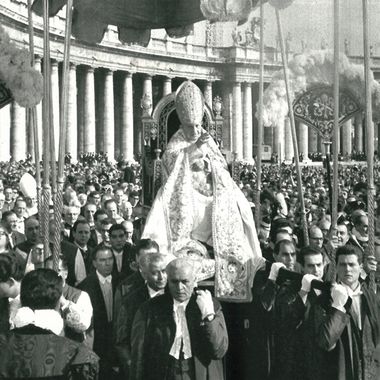
2.Th 2:3-4: “Let no man deceive you by any means: for that day shall not come, except there come a falling away first, and that man of sin be revealed, the son of perdition;
Who opposeth and exalteth himself above all that is called God, or that is worshipped; so that he as God sitteth in the temple of God, shewing himself that he is God”.
The church’s decline led believers to seek a papal leader. But great iniquity was then done in the name of Christ. Paul explains that this all happened because people wanted Christ’s sacrifice, but not the conversion or the truth. They wanted the story and the name, not the transformation. They wanted to be saved in their sins, getting the best of both worlds without having to give up their desires:
2Th 2:9-12: Even him, whose coming is after the working of Satan with all power and signs and lying wonders, And with all deceivableness of unrighteousness in them that perish; because they received not the love of the truth, that they might be saved.
And for this cause God shall send them strong delusion, that they should believe a lie:
That they all might be damned who believed not the truth, but had pleasure in unrighteousness.
And although God would want to convert the world to His Son, and not leave them pagans, it’s worse if they stay pagan and put Christ’s name on that. Suppose they try to control the minds and actions of God’s children by impersonating His messenger. Jesus states in Revelation that a church which chooses to be neither one thing nor the other—not fully with Him nor against Him—is rejected:
Rev 3:15-16: “I know thy works, that thou art neither cold nor hot: I would thou wert cold or hot.
So then because thou art lukewarm, and neither cold nor hot, I will spue thee out of my mouth.
It was because of the church’s falling away that they desired what a Papal king could give them. While it was Rome that gave it its governmental power and seat of authority, it was the unfaithfulness, lukewarmness, and sinful church that gave the religious power to this beast. Christian lawlessness crowned the Papal head in the spiritual sense.
One is a greater abomination than the other if they can be measured. Paganism is bad, but what Rome did was blasphemy, for Rome was trying to steal God’s very throne among His people and abolish His kingship over God’s people to institute their own and abuse His name to advance their own agendas. Christ as head of the church, replaced with a human ruler claiming to mediate on God’s behalf. This is what makes Rome the ultimate enemy of God. The impersonator that Christ warned against when he said not to believe it if they say His kingdom has begun here on earth, through a human institution. This is why Christ warned against false “anointed” Christ-like figures. Anointed means to be instituted as High Priest or King. Christ means anointed, because He is the anointed one. A mediator does not need a mediator. “For there is one God, and one mediator between God and men, the man Christ Jesus” (1Ti 2:5)
So when Christ says false Christs will come, He warns against others taking His position. No one is anointed to that position besides Himself. His glory and praise are not given to an earthly ruler. The Papacy is the thief Jesus warned against, who came to steal (John 10:10). And the Papal kingdom is also warned against in Daniel 2, which explicitly says that God’s coming kingdom was like a rock, not taken by human hands, that would strike the image of the other kingdoms, including the iron kingdom, Rome. It would not be a continuation of Rome or of Babylon. God’s kingdom would not be created through human warfare or conquest, not through political councils, not established by a union. “Not with hands”, and outside of the kings that would rule till Christ returned (Dan.2:34). Paul warned against the coming Papal power. And John, when he saw it, was stunned and amazed. For they were persecuted by Rome, but did not expect Rome to claim to be a continuation of the apostolic line.
But God had foretold it to Daniel.
“And it cast down the truth to the ground; and it practiced, and prospered.” This was the ultimate result of Rome’s rejection of its own gods and its handing over of the city of seven hills to the papacy. The truth was thrown down, and the deceiver prospered—fulfilling Satan’s plan. This “prospering” is the same prophecy given about the little horn on the Roman beast in Daniel 7: “And he shall speak great words against the most High, and shall wear out the saints of the most High…” and “they shall be given into his hand until a time and times and the dividing of time.”
Both passages speak of success in defeating, subduing, and suppressing God’s true church. But God explains that judgment would come.
Their crimes are described in similar terms in both Daniel 7 and 8, though each emphasizes different aspects. One focuses on the period of special suppression—1260 years. The other covers 2300 years, this time connected to God’s sanctuary. As Daniel 8:13 says: “Then I heard one saint speaking, and another saint said unto that certain saint which spake, How long shall be the vision concerning the daily, and the transgression of desolation, to give both the sanctuary and the host to be trodden under foot?”
Here we learn that Papal Rome would not only suppress God’s people, but would also trample on God’s sanctuary for an even longer time. Again, the word “daily” is added in translation to make it appear to refer to the same as before. However, looking at the original text shows that God intended a distinction. The Roman sanctuary is called miqdâsh, which in the Bible can mean either God’s temple or a pagan temple—something consecrated. In the following verses, the sanctuary being trampled is called kodesh, meaning “holy.” By using different words, God separates the two: one is “his sanctuary,” and the other is the “holy sanctuary,” which also represents God’s truth. Rome both destroyed its own sanctuary and also harmed God’s sanctuary, and the two are related.
In one verse, it says the truth is cast down to the ground. In the next, the angels ask how long both the host (God’s people) and the sanctuary will be trampled. Here, the focus is not just on the physical suppression of God’s people, as in Daniel 7, but on how long the truth and God’s sanctuary are affected by the suppression of God’s people. Since God rejected the Jewish temple after Christ’s death, this refers to the sanctuary in heaven. Rome cannot desecrate a sanctuary in heaven physically, but by looking back at Daniel 7, we see how it’s done: “and think to change times and laws”—for whom? “the saints of the most High” (Dan. 7:25).
To understand how times and laws are connected to God’s sanctuary, we have to look at what God’s law teaches. First, God’s law is in His sanctuary. Both Hebrews and Revelation show that God’s law is in heaven, and even the Ark of the Covenant is there. In the Old Testament, God’s Ten Commandments were called “the testimony.” In Revelation, John says: “Rev 15:5 And after that I looked, and, behold, the temple of the tabernacle of the testimony in heaven was opened.”
In God’s Most Holy Place is His law. God’s sanctuary is the sanctuary of the law. To enter God’s temple, you need atoning blood—and in the New Covenant and the heavenly sanctuary, that is Christ’s blood.
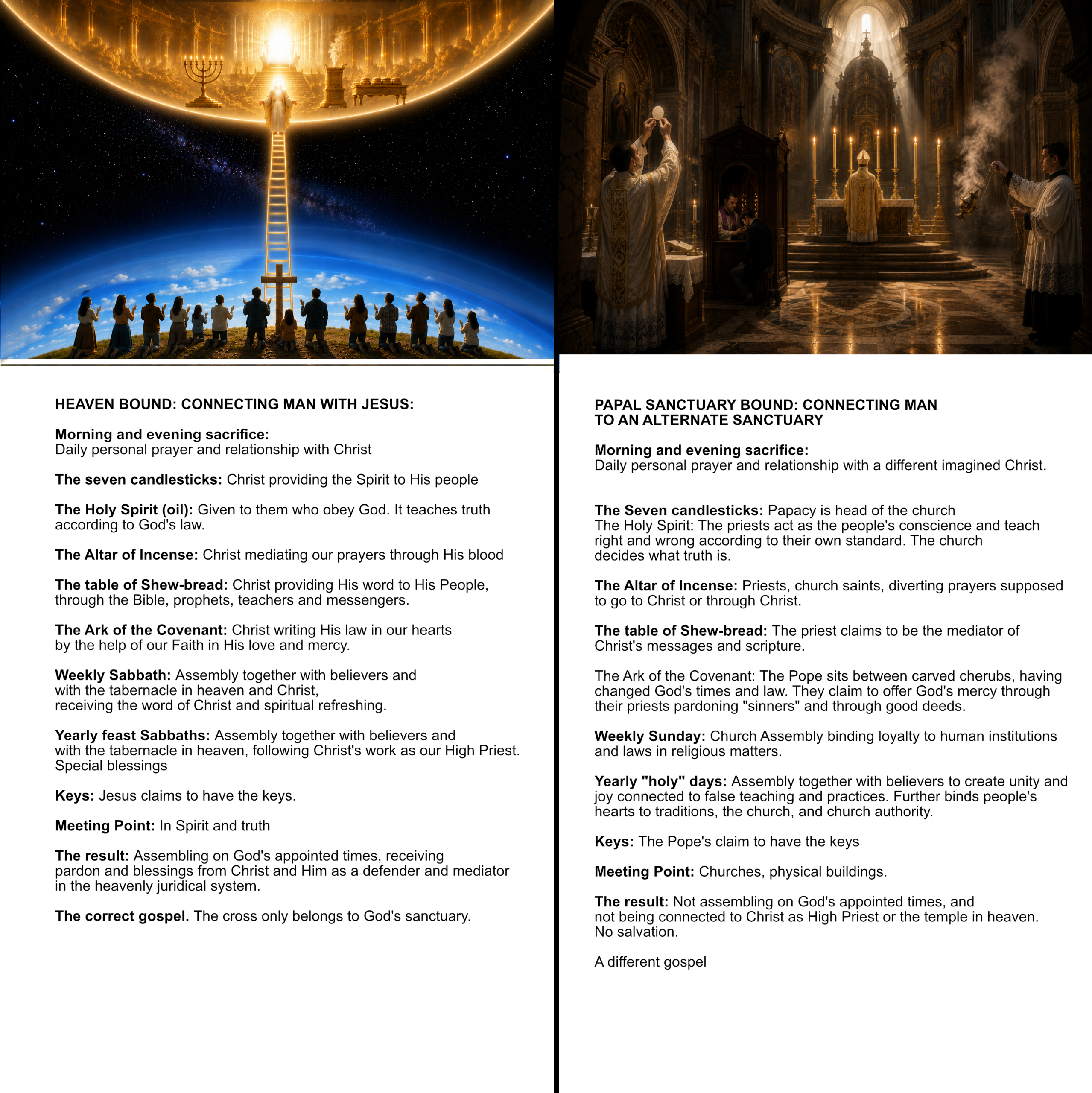
So here we see two things they are stepping on: God’s law and Christ’s blood. One is the entry to the sanctuary, which is the blood. The other is the goal, which is the law. To be justified and reconciled with the law broken is to be reconciled with God, who is the law. Then, inside the Holy Place in the sanctuary, were three items: a menorah, a table of showbread, and a golden altar of incense. These three items symbolize Christ’s ministry for His people. The menorah represents His people, whom Papal Rome suppressed. The table of showbread pointed to the priestly ministry of providing the word of God freshly every Sabbath, as the bread was brought in new and replaced on the Sabbath day (Leviticus 24:8). The incense represented the prayers of God’s people, which the papal church also intercepted by instructing Christians to pray for atonement through their institution, their priests, and their saints, whom they claimed were in heaven ministering for them. In this way, the Papal church intercepted the prayers meant for the heavenly temple and redirected them to itself. They also interfered with the weekly bread meant to be given on the Sabbath, encouraging Christians to desecrate that day, which was designed to connect them to the temple in heaven, and to come to their church on Sunday instead, to hear their own explanations of God’s word.
The oil in the lamp represented God’s Spirit, but the Papacy sought to act as that Spirit among the people. It judged, shaped consciences, and directed convictions, placing itself as a leader instead of letting the Spirit lead according to God’s law. The Spirit was to take “from God” and “guide you into all truth: for he shall not speak of himself.” “And when he is come, he will reprove the world of sin, and of righteousness, and of judgment” (John 16:8, 13).
In the Most Holy Place of God’s temple was God’s law, which defined sin. The Papacy changed that law and presented a new one, permitting what God forbade and forbidding what God commanded. They called holy what God called unholy, and unholy what He called holy. In this way, they played God in God’s temple. Only God was to rule over His law. By desecrating the law, they placed themselves above God, redirecting people’s obedience to themselves. Finally, they claimed to be the only mediators of Christ’s blood and sacrifice.
But the prophecy says: times and law—with “times” in the plural. God’s word was renewed on the Sabbath, but there were other sacred times connected to the temple: Passover, the Feast of Unleavened Bread, the Feast of Weeks, and the fall feasts. Three times a year, God’s people were to come before the sanctuary. God called these holy times His assemblies; they were meant to renew and strengthen His people and were essential for loyalty to God. The first feast was even said to be placed on the forehead and hand as a sign of respect for God’s law.
The feasts were meant to connect God’s people with the sanctuary. They were instructed to come for Passover, the Feast of Weeks, and the Feast of Tabernacles, and to fast in spirit while the High Priest entered the Most Holy Place. The people could not enter the temple themselves, but they could participate in faith from a distance—being present in heart and faith.
The Papacy changed all of God’s appointed times for the church, eliminating the times when God’s people were meant to assemble, with a focus on the sanctuary in heaven for a special connection with God and the work being done there.
By hijacking God’s assemblies, the Papacy created new ones: their own Easter, Christmas, and many other times for gathering—not connected to God’s sanctuary, but to their own earthly counterfeit temple. Instead of assembling in truth with God, Christians began gathering with the church, reinforcing traditional bonds built on error, which made it harder for them to leave.
The Papal sanctuary was designed to steal God’s people from the true one in heaven. And this is why “ speak great words against the most High” “think to change times and laws”, “wear out the saints of the most High” “ cast down the truth to the ground” “transgression of desolation” “the sanctuary and the host to be trodden under foot” and “Who opposeth and exalteth himself above all that is called God, or that is worshipped; so that he as God sitteth in the temple of God, shewing himself that he is God” are all speaking of the same power and the same offense.
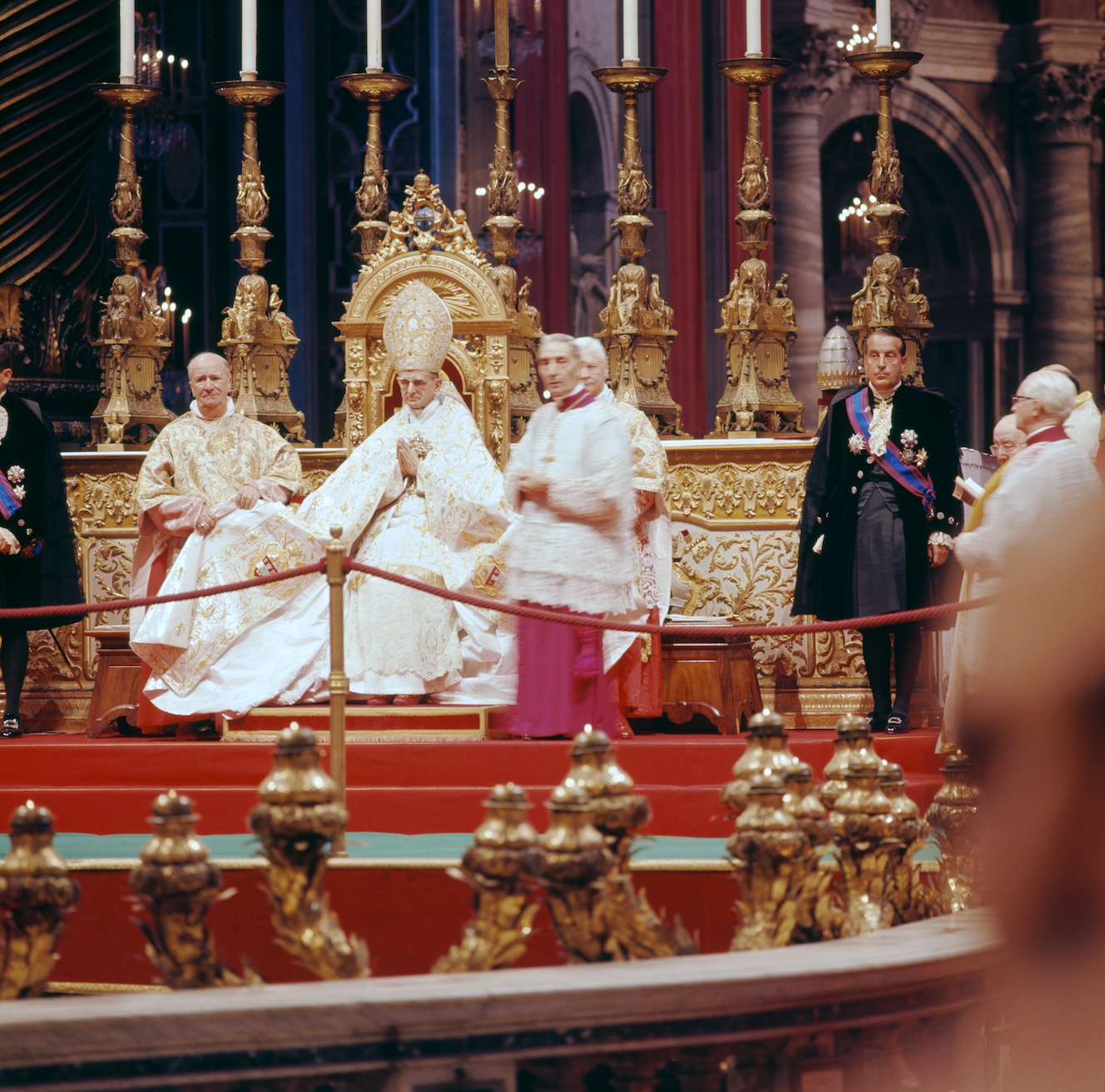
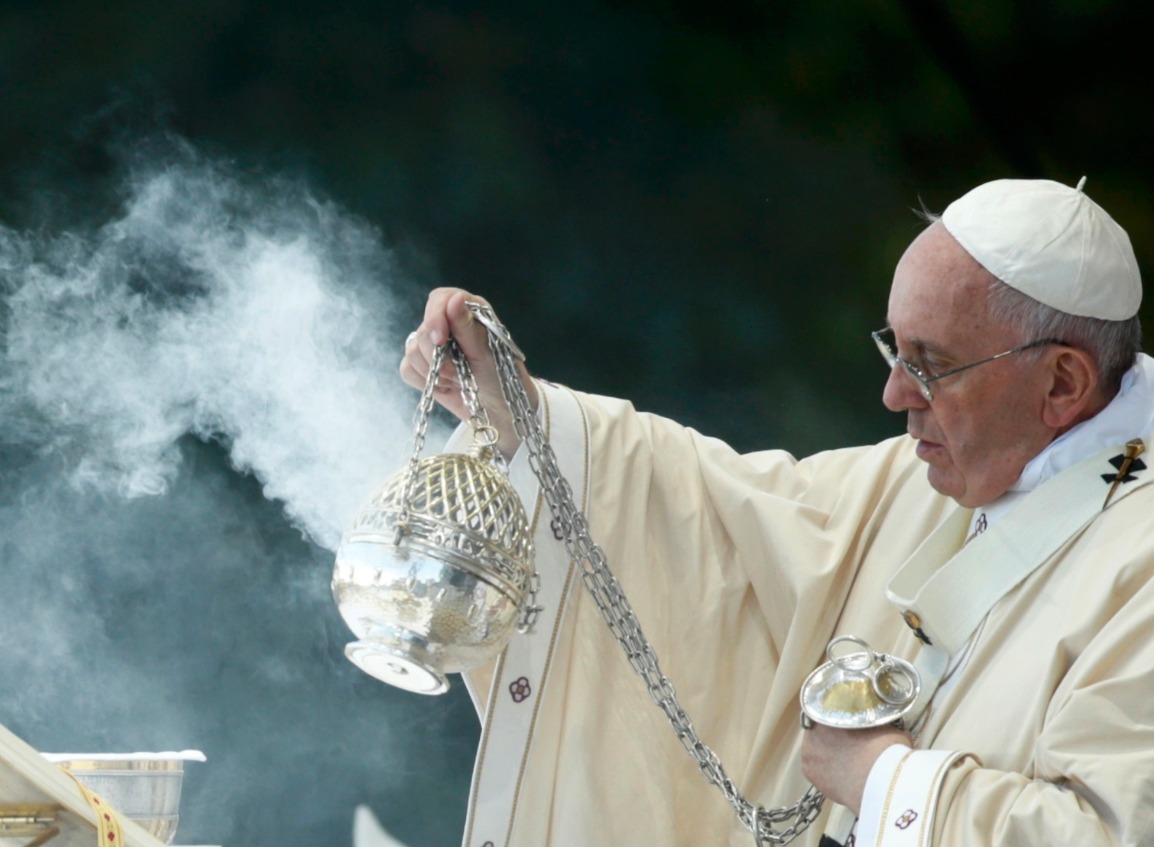
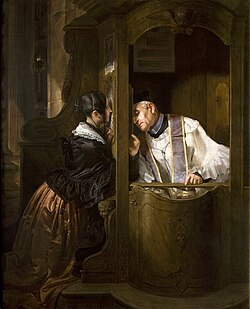
In addition to all these offenses against God and His people, the Papal church mimics the Old Covenant system. They claim to be a new nation under God, an earthly kingship. Yet in the New Covenant, there is no earthly kingdom of Christ. The Popes and priests stand among the candlesticks, as Jesus is described in Revelation 1. They burn incense and present themselves as the givers of the bread. They imitate the symbols of God’s temple in their church practices, even claiming to sacrifice Christ again and again through the eucharist, though He is not truly present in their ceremonies.
The crimes of Rome were so devastating and long-lasting that even a saint, upon hearing this revelation given to Daniel, asks, “How long will this go on?” It was a sigh after witnessing Medo-Persia, Greece, Rome, and now this power from Rome continuing the oppression that began when Judah lost its independence. How long would the truth be kept under such pressure?
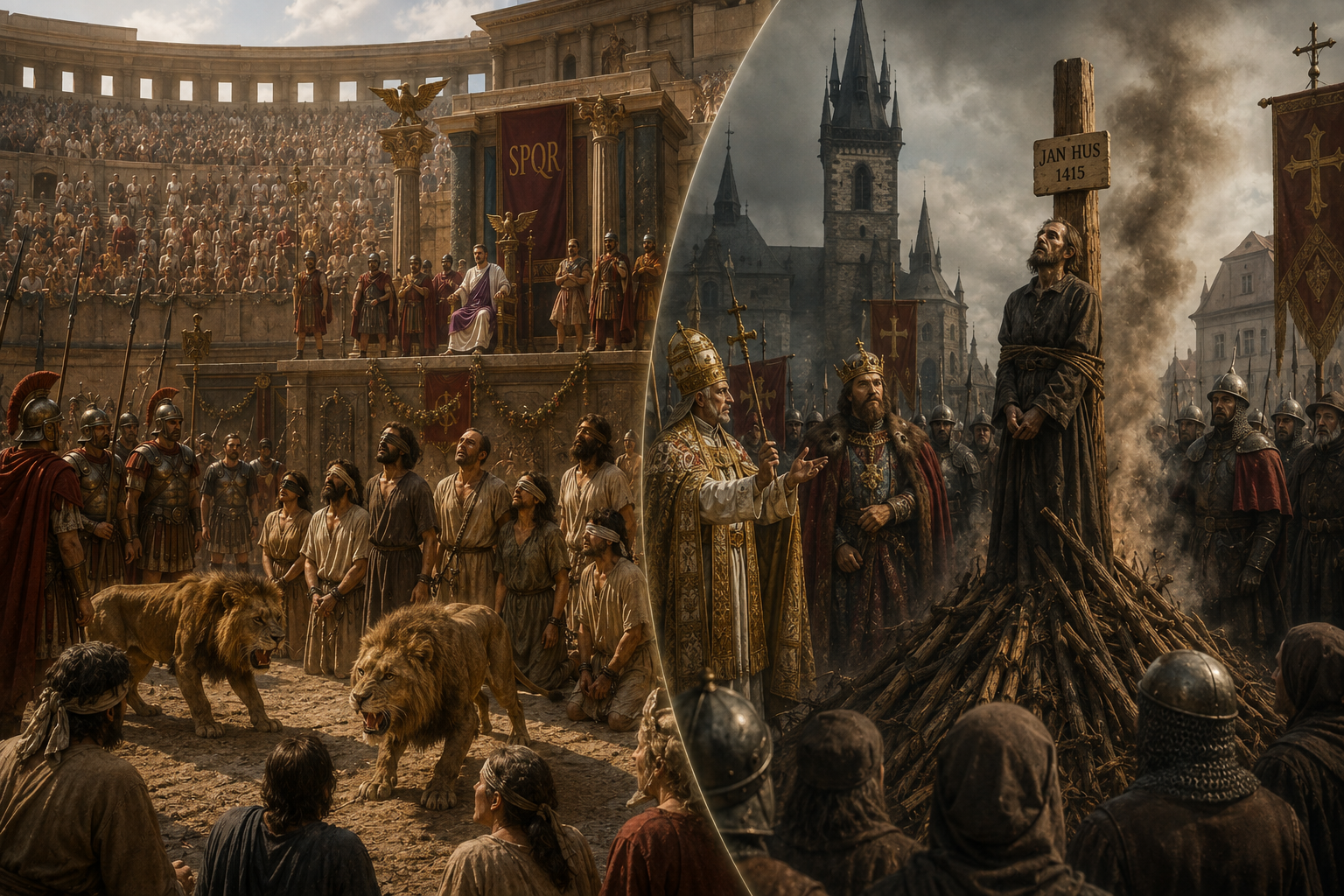
Dan 8:13 Then I heard one saint speaking, and another saint said unto that certain saint which spake, How long shall be the vision concerning the daily, and the transgression of desolation, to give both the sanctuary and the host to be trodden under foot?
This echoes the cry of Christian saints who have been suppressed and even killed by the counterfeit temple during the Roman era: “And they cried with a loud voice, saying, How long, O Lord, holy and true, dost thou not judge and avenge our blood on them that dwell on the earth?” (Rev. 6:10)
Victims represented throughout the image of the beasts are calling for justice, and God promises that justice will come. The angel refers to two phases of Rome: “the vision concerning the daily” and “the transgression of desolation.” One refers to Rome’s sins as Pagan Rome, and the other to its sins as Papal Rome. Rome would have to answer for both.
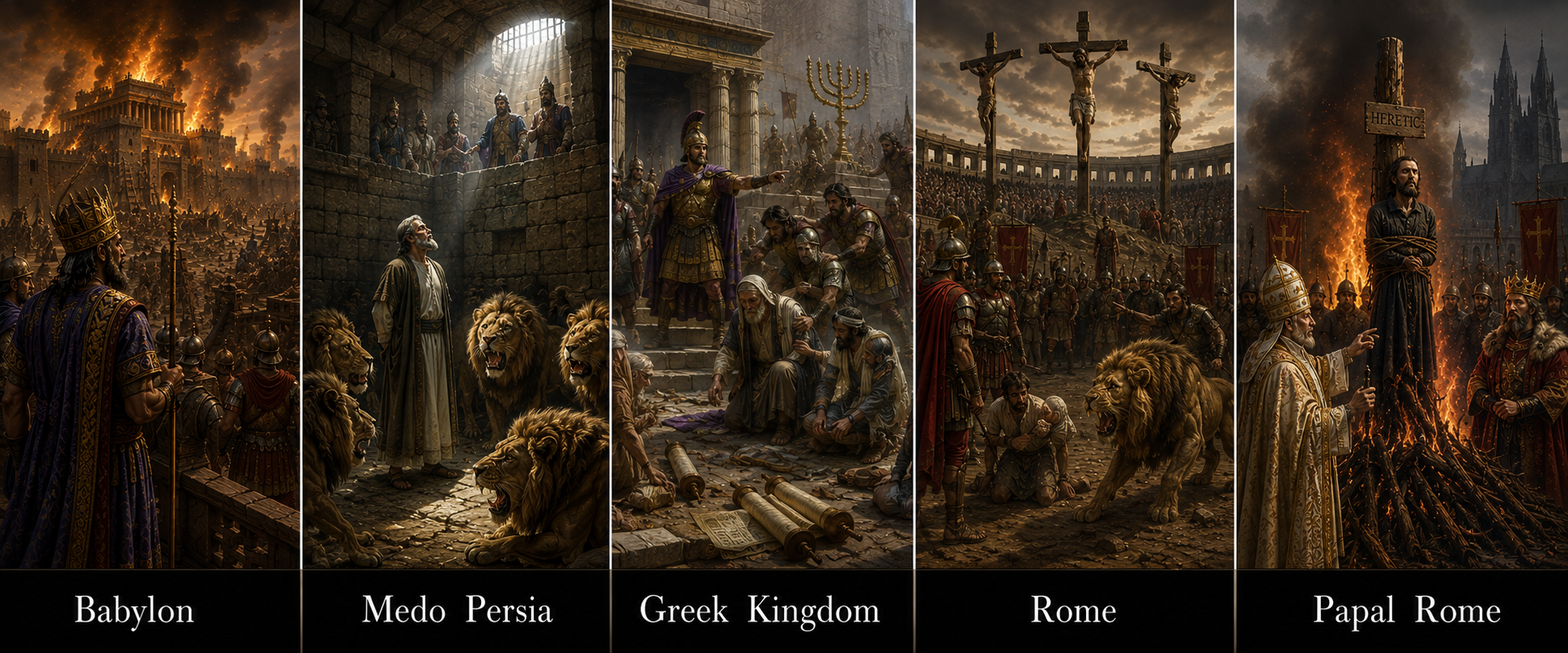
The behavior of Rome mimics Satan’s consistent attack on God’s people: if he cannot seduce them, he tries to force them, wear them out, or deceive them. Most Christians have chosen to follow the Papal temple instead of God’s true temple.
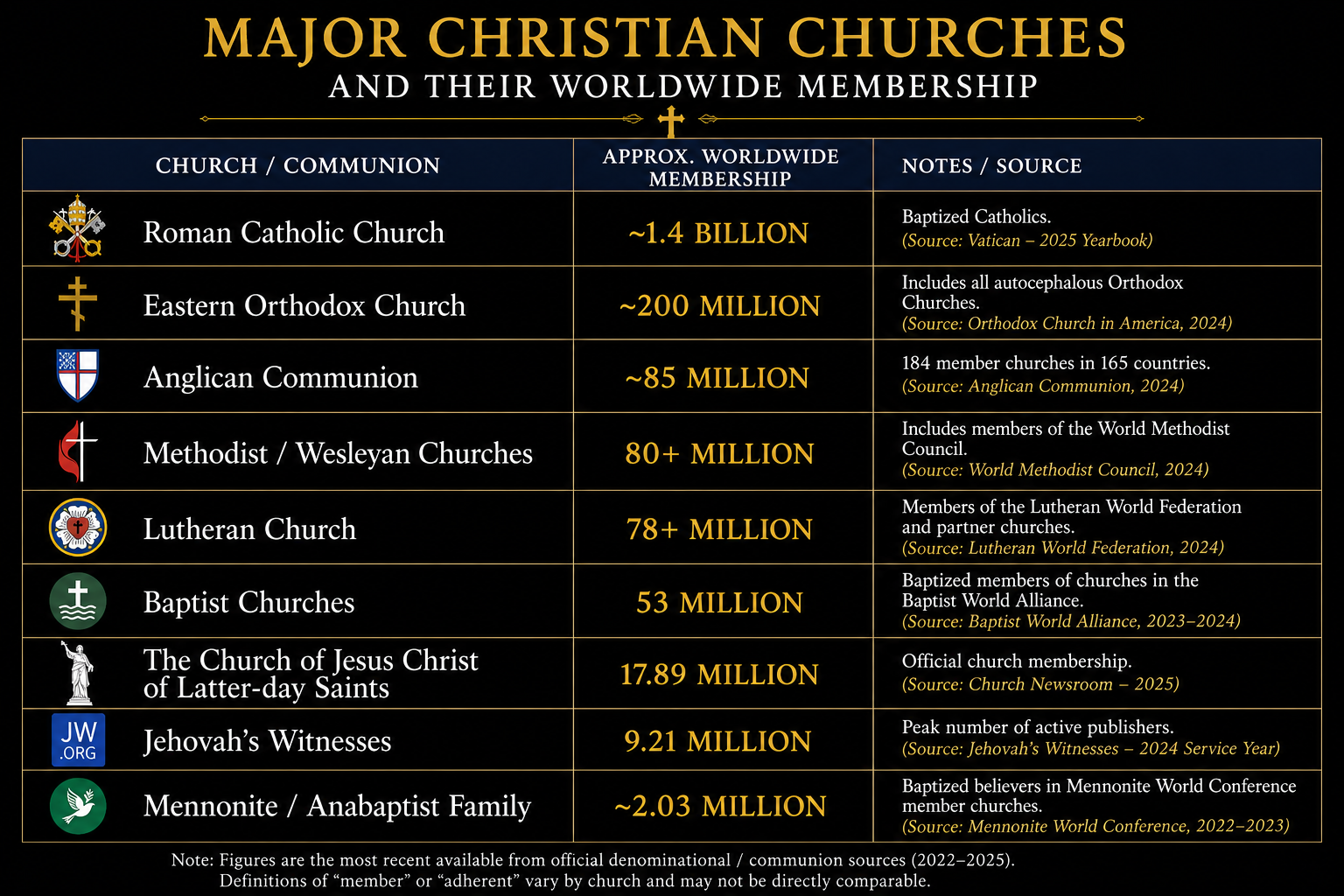
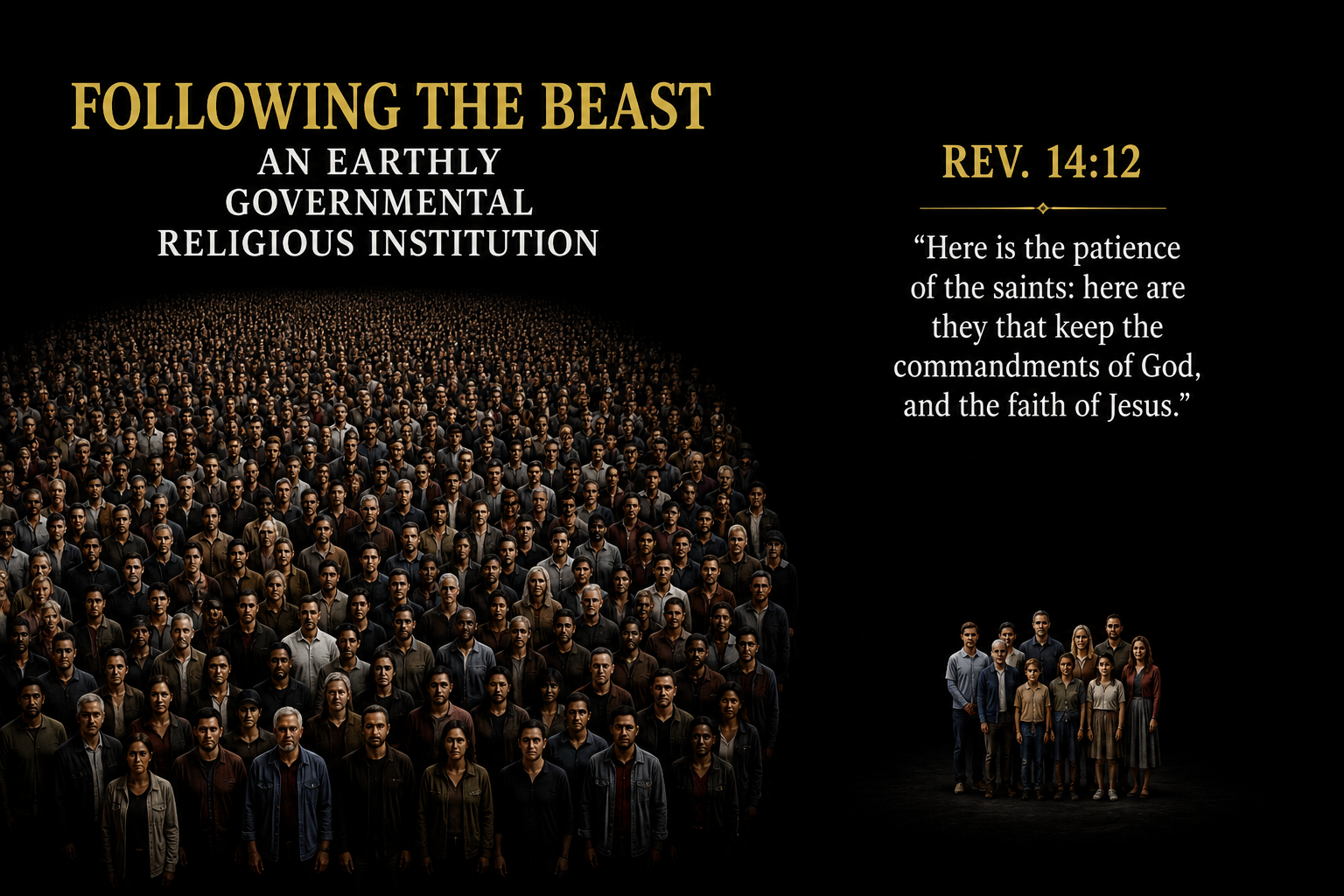
Today, 99.5% of all Christians follow either papal-instituted times, laws, or prophecies. Most do not believe they need to keep God’s original times or law; instead, they observe church laws and church times. They do not show up for God’s assembly connected to the heavenly temple. That is a staggering loss for God. But if God had not intervened, that number would have reached 100%.
In Daniel 7 it says: “But the judgment shall sit, and they shall take away his dominion, to consume and to destroy it unto the end. (Dan 7:26)
The saint answers the other saint:
“Dan 8:14 And he said unto me, Unto two thousand and three hundred days; then shall the sanctuary be cleansed.
This likely has a dual meaning. The sanctuary was cleansed on the Day of Atonement, which was a judgment day. On that day, as the High Priest entered the Most Holy Place where God’s throne and law rested, it was determined who had truly respected God’s order and repented authentically. It involved a separation of God’s people—the repentant on one side, and those who were still in rebellion against God’s law on the other. It prophesies a time when a remnant will turn back to God’s temple, Gods times, and laws, escaping the order of the papal temple. And a time for God to judge those who refuse to.
The prophecy shows that there will come a time when God’s temple in heaven will once again become the focus, and God’s people will assemble before it, respect its law, receive spiritual food on the Sabbath, receive the Spirit, and offer their prayers directly to the heavenly temple. By rejecting the false sanctuary on earth, the true sanctuary of God and His truth are restored in His people, leading to freedom from the oppression brought by the lies and abominations of Rome. Although not all will be freed, a way is prepared for those who wish to be. This remnant is described in Revelation, and they must also face a final attack from Satan especially directed at them: “And the dragon was wroth with the woman, and went to make war with the remnant of her seed, which keep the commandments of God, and have the testimony of Jesus Christ.” (Rev. 12:17)
Why Did God Wait So Long?
The question “how long?” expresses a feeling many share. If Rome’s crimes are so great, why did God allow them to continue for so long? Why did the Papacy sit with so much power for 1260 years, and still remain, with its alliances and influence, the largest of all churches today?
Why is she not punished for her crimes sooner?
It is all tied to God’s grace. He knows that many who have followed this counterfeit sanctuary on earth have done so unknowingly, thinking they were doing His will. The reason God did not destroy the Papacy sooner is its overwhelming ability to deceive. It holds the finest sermons, defends Christians, helps the poor, and upholds the name of Christ. At times, it has been almost impossible to distinguish truth from error, while at other times it is easier to see. Today, the Catholic Church is not military; it does not send out crusaders or make inquisitions, nor does it have kings and queens fighting for its cause and eliminating its enemies. It appears pious and good. Only Christians who love the truth and worship God in “spirit and truth” will see its crimes in the right light. Only by coming close to God and His temple can you discern the difference. Only when you see what God has truly prepared and is doing for His people will you realize that the Papacy. However, it eagerly quotes the Bible, is leading people away from the temple in heaven, and is in rebellion to the New Jerusalem.
By creating its own assemblies, times, and laws, it gives a “feeling” of truth. This is what makes it so deceptive, and also why God, in His love for humanity and for those truly seeking Him, has waited to bring judgment.
Abraham asked Jesus if He would spare Sodom if there were 50, 45, 40, 30, 20, or even 10 righteous people in the city, and Jesus promised He would. But when there were not even 10 righteous, God sent angels into the city to save and bring out the one righteous man and his family.
This is the situation in the end times. God will eventually judge this power for its great sins, for bringing confusion and souls lost, for its crimes. For a long time, God tried to reform and speak to people who were deceived by this power, so they would choose to follow him instead.
For the longest time, God is working hard to save them. But then a time comes when He cannot any longer. At that time, he calls out His people to separate from them, just like He separated Lot from Sodom before its destruction.
We can read about it in Revelation 18, citing the sins of the false churches and how the enlightenment of God’s true sanctuary, compared to the sins of the counterfeit sanctuaries on earth, will forever divide them into two groups. Those who understand their senses have been deceived, that they have been seduced to believe lies. That they have believed Satan when he quoted the bible and followed his lead, unlike Christ in the wilderness. Only by looking at the real sanctuary will the false sanctuary be exposed.
Rev 18:1-5: “And after these things I saw another angel come down from heaven, having great power; and the earth was lightened with his glory.
And he cried mightily with a strong voice, saying, Babylon the great is fallen, is fallen, and is become the habitation of devils, and the hold of every foul spirit, and a cage of every unclean and hateful bird. …
And I heard another voice from heaven, saying, Come out of her, my people, that ye be not partakers of her sins, and that ye receive not of her plagues.
For her sins have reached unto heaven, and God hath remembered her iniquities.“
The time has come. Now God expects you to embrace the enlightenment available through His word and through your unique access to history, as no generation before has had. Choose Him: His temple, His law, His assembly, and His atonement mediated through Christ. Leave behind the imitation, for it is about to be judged and its followers afflicted. Those who follow have empowered the beast by loving traditions and human spiritual leaders more than Christ.
God says, as He told Lot, to flee—to come out of this system and religion before judgment falls. If you are found within its walls, you will be destroyed with your deceivers. And if you flee but look back, you will become like Lot’s wife—a pillar of salt. Do not long for what is false or leave your heart behind, for it could cause you to turn back, and you will be lost as well.
The angels said to Lot: “Escape for thy life; look not behind thee, neither stay thou in all the plain; escape to the mountain, lest thou be consumed” (Gen.19:17)
Don’t look back. If you hesitate or speculate, you may never leave. Sitting on the fence and waiting to “see what happens” will not save you in the end times. Paul said that lies are overwhelmingly tied to desire, and anyone who lingers on temptation is more likely to give in. That’s why, when leaving false churches, we must not look back but run. If you have been deeply deceived, you are more easily deceived again. Those who have been misled can only be free if they run and never look back. Do not go back for anyone. Run for the hills. God’s spiritual kingdom is compared to a mountain, and that is where we must flee.
When Jesus compares the story of Lot’s escape from Sodom with the end times, it’s important to see what Christ says right before he mentions it. They ask Jesus when His kingdom is coming, and Jesus replies that any kingdom claimed to be His before His second coming is not of Him. And he says: “And they shall say to you, See here; or, see there: go not after them, nor follow them”. He then compares it to Noah’s times, but also to Lot’s.
Making it a fit comparison to leaving “Babylon” and “the sins of Babylon” before its destruction.
“Come out of her, my people, that ye be not partakers of her sins, and that ye receive not of her plagues” (Rev.18:4)
What are her sins? She makes herself a queen and ruler (Rev. 18:7), fornicates with earthly governments to become wealthy and enforce her own laws (Rev. 18:9), and seeks her own interests above those of God and His people (Rev. 18:7). She has glorified herself, appearing holy, and while living in luxury, God’s people are denied the right to buy or sell (Rev. 13). She says in her heart, “I sit a queen, and am no widow, and shall see no sorrow,” even as she is drunken with the blood of the saints and martyrs of Jesus. She holds a golden cup full of abominations and filthiness of her fornication, deceiving the whole world with her counterfeit sanctuary and her claim to a holy priesthood. “For all nations have drunk of the wine of the wrath of her fornication,” causing many to follow her laws instead of God’s. 99.5% of the Christian world follows this beast, and only 0.5% has refused. Yet God has given humanity one last chance to join the remnant. These figures are based on the number of Christian denominations that place papal “times and laws” above God’s, compared with churches that claim to respect God’s original law. These are real numbers and a real reality.
Just as Sodom would have been spared with ten righteous in it, so have many gatherings escaped judgment because of the righteous in them. And so for 1260 years even Papal Rome escaped destruction because of the ignorant among them. But when the Bible was accessible to all, God expected more.
In the case of Lot, the Lord said to Him: “Haste thee, escape thither; for I cannot do any thing till thou be come thither. Therefore the name of the city was called Zoar” (Gen 19:22)
But in the end times, He cannot make this promise any longer. If God’s people stay in Babylon or do her sins, they will perish at the time of Judgment. He will not wait for them to turn; He has already waited for as long as He possibly can. He will not pull us out like He did Lot; instead, He pleads with us to leave ourselves. Jesus said without addressing it further in connection to the end times: “Remember Lot’s wife” (Luk.17:32). Three words with deep meaning. Don’t stay on the fence, don’t stand in the middle, for you will be stuck and then consumed forever. There is no middle way, no compromise, no a little of this and a little of that. It’s leave or be judged. There is no realm in between at the very end. When Judgment comes, no one can claim they did good by not choosing sides, by being neutral. Only those connected to the heavenly sanctuary and Christ as their High Priest will be saved.
Go out of her, my people. That is not just about the Papal church, but all Christian churches that follow her lead, her changed times and laws. That is a call to at least 99.5% of all Christians, if not more. To anyone who partakes in throwing the truth to the ground, stepping on Christ’s sanctuary in heaven. For being part of the confusion and encouraging others to remain in false religious settings where they will be lost.
Claiming that the power in Daniel 8 is Antiochus IV Epiphanes hides the sins of the churches and provides an excuse to ignore God’s warning and not act on it. It points the finger at a ruler who held little power in a collapsing empire, allowing the real culprit to go free. The desecration of God’s tabernacle in heaven and the suppression over such a long time of God’s people has had a devestating impact on billions of people before and now, numbers that cant be counted. They are the author of confusion and division in all churches. Therefore, she is said to be “THE MOTHER OF HARLOTS AND ABOMINATIONS OF THE EARTH.” (Rev.17:5)
The call to leave her also means leaving these “daughters” who commit the same sins as her mother.