


1. Introduction 2. The World Is A Battlefield 3. The Church: A Feast for Oppressors? 4. The Many Faces of Childhood Trauma. 5. How do victims communicate? 6. Being a victim of an offense and victimhood 7. Learned Helplessness 8. Victim-blaming 9. God’s solution to sin 10. How Satan uses the Bible to force us to submit to him 11. The Good Shepherd 12. Victimhood as a weapon 13. The Victorious Christian 14. Practical exercise towards freedom. 15. Restore your trust in God. 16. Why God allows difficulties. 17. Church Tribulations 18. Final Victory 19. Afterword
Freedom from victimhood and long-term trauma does not just lie in the head, as more parts of our bodies are affected. The whole body stores negative memories. All humans have cellular memory, and it can even change our DNA. Countless instincts and reactions occur bodily before even our thoughts have registered what has happened.
Recovering from sin and trauma is not just a mental exercise. It must involve the whole body.
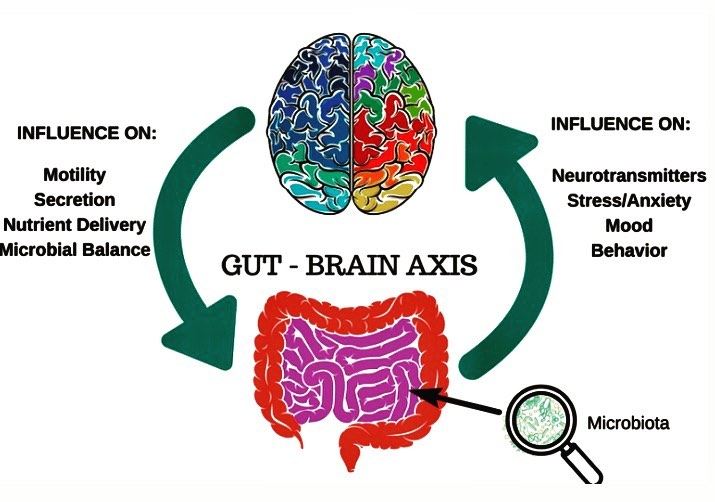
Recent discoveries have found that our gut has a type of brain of its own. “Scientists call this little brain the enteric nervous system,” with “more than 100 million nerve cells” (https://www.hopkinsmedicine.org/health/wellness-and-prevention/the-brain-gut-connection)
Although we cannot change what has happened to us and to others, we can work with our bodies to achieve more harmony and strength. That is why what we eat can also be tied to our healing. If we are constantly triggering the nervous system through an unhealthy lifestyle, it will also make it harder to overcome mental challenges.
In the Bible, life and death are symbolized by two fruit trees. Eating one fruit symbolizes restoration, eating the other death. Likewise, a lot of mental trauma caused by sin is cured or worsened by what we eat.
The heart is also similar to our brains and sends signals to them. It has its own “little brain or intrinsic cardiac nervous system” (https://pubmed.ncbi.nlm.nih.gov/31728781/). These are just examples of how our whole bodies are involved, not only in our traumas but also in our healing.
Although many would like to think that recovery from trauma just involves “talking with a therapist,” it cannot. A man can endure countless traumas without succumbing to their aftereffects if his or her nervous system is strong. We cannot change the past, but we can improve our health somewhat, and the health connected to the mind is such that, for some, it is about whether they can manage their lives.

Finding mental freedom from victimhood, therefore, involves both practical and mental exercises.
In the world, we have doctors who heal the body and mental health workers who aim to heal the mind, but doctors rarely understand the physical harm mental trauma has left on a patient and cannot offer much help until the body fully develops the diseases from all the stress. This can take time, yet the body is sick long before. Likewise, a mental health worker can help you work on your mind, but unless the body is included, you will not really recover. The body will work against your mind. Most patients continue to struggle and focus on their issues after therapy. You cannot entirely understand what has happened to you without understanding how it is affecting your entire body. To gain the strength to move on with life, it is important to work on the body, mind, and spirit.
Everything is connected; every little part of our body has experienced those traumas, not just our mind. Your body is one, and therefore one part will not suffer without every other part taking part in the suffering.
The reason alternative health workers are so popular, even when shunned by doctors and psychiatrists, is that most people who struggle with trauma understand the importance of connecting the mind and body. When there is no proper help that involves both, they desperately seek help from alternatives. This leads many into the hands of exploiters, quacks, occultists, and people in it for money. Many empty their pockets in vain, but some do find help with alternatives. If the medical world had not been so determined to keep doctors and mental health workers separate to uphold traditional roles and status, the need for alternative practices would not have been so pressing.
When sin began spreading worldwide, it distorted human nature, making it imbalanced. Our minds are now trained to think and act destructively, and our bodies are trained to fear and act on that fear. Growing up with childhood trauma leads to real handicaps stemming from long-term stress on the brain and body. Although you might not heal completely, it is possible to gain enough strength to live a good life and not continue the destructiveness inflicted upon you.
When Christ returns, He has promised to restore our bodies to their original and intended perfect state: “But our citizenship is in heaven, and from it we await a Savior, the Lord Jesus Christ, who will transform our lowly body to be like his glorious body, by the power that enables him even to subject all things to himself” (Phil 3:20-21).
Although our bodies are weak, that does not mean we cannot reflect Christ. “For we have not an high priest which cannot be touched with the feeling of our infirmities; but was in all points tempted like as we are, yet without sin.
Let us therefore come boldly unto the throne of grace, that we may obtain mercy, and find grace to help in time of need” (Heb 4:15-16).
Christ was under extreme circumstances for many years, but did not sin. To many, His victory seems judgmental toward those who do sin, but Christ wanted to pave the way for us and give us hope through His victory, not to boast.
Christ came as a human like us, but did not let the evil that came over Him change Him or cause Him to harm others, and this is what He wants for us. “For the law of the Spirit of life in Christ Jesus hath made me free from the law of sin and death.
For what the law could not do, in that it was weak through the flesh, God sending his own Son in the likeness of sinful flesh, and for sin, condemned sin in the flesh” (Rom 8:2-3)
Christ has paved the way for us to do as He did through the help of the Spirit. What is broken and causes us to lose control can be replaced by the Spirit, so we can still do what is right, even if our instincts want us to do what is wrong.
Reaching out to God for help is, therefore, the first step in our recovery.
Understanding how our bodies work is the next step.
If the body is stressed, we will get sick, and so finding strength in reacting to what happens in the right way not only prevents a trauma survivor from causing more hurt and damage, but it will also give them peace and better health.
Just like someone who has lost a leg has to adjust to their handicap, so does a trauma survivor. It is more work to not have a leg, get up, and find accessibility. It requires coming to terms with the fact that more must be done than simply putting on shoes and running out of the house. Someone who has lost a leg cannot say one day, “I am so sick of not having a leg; today I will deny I lost a leg and live as if I have two.” Their delusions will not change their handicap. So it is with a trauma survivor. Pretending they do not have weaknesses will not make those weaknesses go away. Although they should not constantly focus on their weaknesses, they must respect that they have them. If they do not, it will lead to unwanted confrontations and a buildup of anger or anxiety that will be aimed at the wrong people.
A trauma survivor who is still afflicted by their experiences should consider taking conscious precautions to manage their everyday life.
Many victims want to change their surroundings and other people, even politics, in the confused notion that if the world’s “outside” changes, their “inside will heal”. However, as long as a sin is in the world, we cannot remove things that will trigger us completely. And if we are triggered easily, it is a sign that we have not healed. To make a silly example to illustrate the point. A person struggling with obesity cannot find healing in banning cakes and stopping others from enjoying them. Many people with long-term trauma have similar demands that are unreasonable to others. If healthy, productive people must adjust their lives as if they were sick people too, then progress ends there. Progressing means learning from mistakes and continuing to move forward, and society must do that. It cannot adjust to mental illness and act on trauma when creating legislation and opportunities. Then the sick are not really cured; they only have a delusion of a cure, and all the healthy individuals are prevented from excelling and progressing. As Christians, we are to make the world a better place by acting out Christ’s principles and by being an example and an inspiration. To promote health, healing, and even forgiveness.
Self-care to regain control over your body:
Too many harsh rules can lead to desperation.
Before presenting some dietary changes that can help, it is important to note that even this advice should be approached with caution. A trauma victim can feel desperate if life becomes too strict, hard, or full of rules. It can even trigger their trauma of feeling captive and subdued. Some will therefore struggle with rules that lack an “escape route.” For many who have been trapped in long-term trauma situations, that escape has been food. Food is one of the most commonly used tools for self-soothing and self-comfort. The body will therefore naturally fight any rules that deprive you of the food you use for comfort. If you take away the “escape” and stress reliever that food can be, many feel unsafe and suppressed all over again. It is important to consider all these things and to understand oneself. If the cure feels traumatic, there will be a problem. Healthy rules can feel abusive, especially when breaking them has brought stress relief before. Know yourself; therefore, consider this and allow yourself to feel in control over the healthy advice you follow.
If you are too strict, you will fail. If you are not strict at all, you will fail too.
Find the area or space where you feel in control while doing what is right for your body.
Again, it is crucial not to just remove everything that gives you stress relief without replacing it with other sources of relief. If you do not take these considerations into account, you might feel desperate or end up with nagging anxiety while making life changes.
Consider that you need stress-relieving hormones if you have a lot of inner stress, and look for a healthy way to get them. Do not make your body choose between illness from food and illness from stress. Give it a third option: healthy stress relief and healthy food.
Find motivation in gaining freedom over your emotional stress, thoughts, and reactions. Finding motivation is your turning point; without it, you can do little and will not succeed.
For those who struggle to love themselves, taking care of themselves might not be enough motivation. You cannot succeed with a healthy change without wishing yourself well. Understanding God’s love for you, the value you have in His eyes, and dwelling on His compassion and desire to save you can help with motivation.
If you struggle to love yourself, rest in His love.
If someone feels worthless, or makes others feel worthless, Christ compared it to murder, because in a way it is (Mat. 5:22). If we allow ourselves to feel worthless, we will not care for our needs and will not be motivated to do ourselves right. The road to recovery begins with valuing ourselves as God does and not as those who mistreated us did.
“For the LORD comforts his people and will have compassion on his afflicted ones” (Isa.49:13)
“Is anyone among you suffering? Let him pray” (James 5:13).
If you stumble on your way to recovery, remember that God is not condemning you but cheering you on to make it.
“Casting all your anxieties on him, because he cares for you” (1 Pet. 5:7).
The physical part: Ways to help the healing of the nervous system:
There is no one-size-fits-all solution for every case, but there are things that help improve everyone’s mental health. Although changing habits and denying yourself the food and drink you crave might seem troublesome, remember that freeing your mind means taking control and regulating your body. You need to teach your body to do the right thing and not let it override your intellect. The body has memory, and if it normally gets its nutrition from unhealthy foods, it will crave them and make you feel like you cannot live without them. If you start feeding your body healthy, nutritious food, after only a few weeks (for some, even days), your body will actually “change its memory” and start craving healthy food. Your body simply wants nutrition and will urge you to keep eating to get it. That is why you must be the master of your body and teach it what to crave by what you give it. Every so often, the body asks for food when it is actually thirsty, especially if it is used to getting most of its fluid from food rather than water.
You cannot completely trust your body. Consider your body like a pet dog. It will act on instinct and misbehave if you do not train it to obey you. You must instill the right instincts so that you can trust your dog.
You tell your body what is good, and after a while, you will regain control, and it will work with you instead of against you. For some, it might be a bigger battle than for others, especially if food has been used to regulate emotions and hormones. It can still be done, but prepare yourself to replace unhealthy food with healthy food by making sure you have other ways to regulate emotions and hormones, or your body will get stressed during the transition.
The gut is sometimes called the “second brain” because it contains many nerve cells that produce many neurotransmitters and signaling molecules, including dopamine.
If you have damage that makes it hard to regulate emotions, it is important to avoid things that irritate the nervous system. This will give you more strength to handle minor daily conflicts. You do not have to “lose control” and snap at the postman. Eating “nerve-friendly” food can make a great difference.
Caffeine can also negatively affect the nervous system, so it is best to avoid it altogether if you struggle with nerves. Just remember that in the first few days, or even weeks, off caffeine, you might feel the nervous system is even more on edge. Typically, things can get worse before they get better, so do not give up too fast. During a transition period, make sure your everyday life is not filled with stress and challenges, as it can be hard to adjust at such times. Pick a time when you can afford the extra rest needed to avoid feeling overwhelmed or worse off by the habit changes. Remember, even a small victory over the things that irritate your nerves will help the mental training go more smoothly. Do not engage in mental training during a transition, as this will increase physical stress.
Eating late in the evening can keep the stomach digesting food while you sleep, leaving your body with less rest than it needs. Rest is critical for a trauma survivor, so make sure you do not eat in the last few hours before bed if you want an optimal night’s rest.
Constantly snacking and eating too many meals also irritate the nervous system. Pick one to three meals per day that are neither too large nor too hard on your digestion. If you do physical labor, you might need more food than if you work sitting still. Your food intake should reflect how active you are. If you want to eat big meals, do so early in the day, not late in the afternoon. The earlier you have your last meal, the better. Try to avoid eating after 18:00, so the body can finish digesting most of the meal before you go to bed. It is hard to change in the first few days, but the body learns, and you will stop feeling hungry in the evening if you teach your body not to.
If you have an eating disorder following your trauma that makes you eat too little (anorexia), it is important not to let this advice be used to further your illness. Many people with anorexia can easily adapt to changes like these in an unhealthy way and make food their religion. So, for an anorectic, it is important to eat more often if needed. If you must eat late, choose the easiest-to-digest food, like fruit.
A long-term trauma survivor needs their body to rest when it is supposed to; they cannot gamble as much as a healthy individual without suffering for it. So, letting the stomach rest, especially at night and between meals, is crucial for the nervous system to be under control.
Many trauma survivors struggle with irritable bowel disorders. If you feel you are struggling to digest food or have pain after eating, consult a doctor for a diagnosis or follow your “gut.” There are special diets for people with irritable bowel disorders, and if they are not followed, the nervous system will struggle. Some vegetables are only beneficial if you are otherwise well. If you have an irritable bowel disorder, you cannot eat certain food groups and maintain a calm nervous system at the same time.
Many trauma survivors prefer gluten-free products, not because they have a gluten allergy, but because they have undiagnosed irritable bowel syndrome or insulin intolerance. If you struggle with stomach issues, consult a doctor to find out which foods irritate your system, so you can avoid them daily. If your doctor does not take you seriously, find another who does. Plenty of doctors do not understand how to consider all symptoms as related, and some can easily dismiss the bodily struggles of a trauma survivor. Do not take it personally; it is just ignorance. A Christian doctor might be more helpful in understanding how a wounded soul struggles with normal bodily functions, as the Bible has always connected the two.
Water: Drinking enough water is also important for gut health. Make sure you drink regularly and do not let yourself become dehydrated. Your body needs pure, clean water to function at its best. Your digestion is closely tied to your nerves and your ability to cope with challenges, so take it seriously if you want to gain more control.
Alcohol also affects the nervous system and does no one any favors. In the old days, alcohol was often given to distressed women to calm them down. However, the brief relief you experience from using alcohol to calm your nerves will only be followed by even more struggles afterward. A hangover is not good for the nerves. Consider avoiding alcohol as part of your health plan.
It is not a secret that a good deal of domestic violence is caused by alcohol. It will also tip over someone with unresolved trauma, as many abusers have.
Long-term stress and weight gain
If you have had long-term stress, your body might struggle with insulin intolerance. If this is your situation, eat a low-carb diet if possible. You will notice this issue if you eat the same as others but still gain weight, or struggle to lose weight even on a low-calorie diet. In this case, a low-carbohydrate diet might be the only thing that can help you regain control over your weight and related health issues.
Eating unhealthy foods often gives you a dopamine rush, so remember to get your dopamine in other ways so you do not feel more stressed while cutting out the wrong foods.
Ways to get dopamine healthily include exercise, eating protein, getting enough sleep, listening to the right music, exposure to direct sunlight, massage, relaxation exercises, and more.
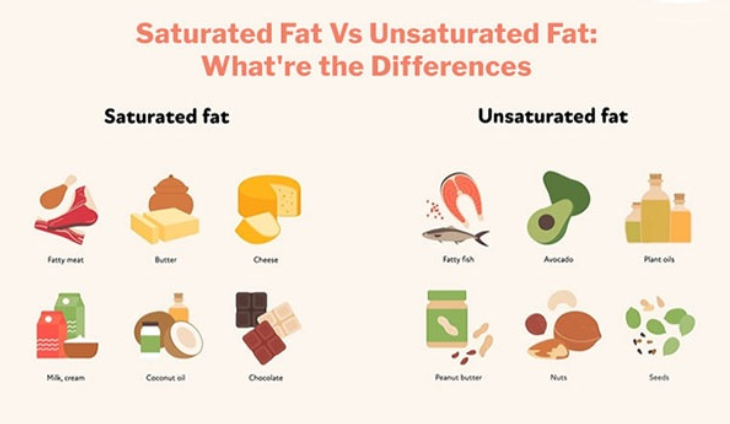
If you can, avoid saturated fats, as they are disruptive and can trick your body into thinking you are not full when you actually are, which causes overeating.
“As we consume food, the brain releases the neurotransmitter dopamine as a messenger to the central nervous system. The dopamine activates specific neural circuits to tell us we are full and feel content. During his postdoc, Fordahl measured dopamine neurotransmission in response to diets high in saturated fat and found significant reductions in regular dopamine message delivery” (https://www.uncg.edu/research/nutrition-professor-high-saturated-fat-diets/)
If you eat meat, skip the fat, as God commanded in the Torah (Lev. 7:25). Many meat products are high in fat, such as sausages and burger patties. If you feel panicked about avoiding some of these foods, remind yourself that this panic is instinctive and will fade as you eat healthier. It is about repetition and patience, and your body will learn to crave the food that helps you heal.
Sugar:
Sugar triggers addiction. If you struggle with being addicted to certain foods or even drugs, consider cutting out sugar completely from your diet. It, too, irritates your nervous system and triggers negative behavior.
Sugar feels good at first; it gives you a high, the body briefly rewards you, and then it brings you down again.
Sugar releases opioids and dopamine, making you feel rewarded and happy when you first eat it. It works on your body just like drugs do, and when you try to quit, many people experience withdrawal symptoms. These can include headaches, muscle pain, and even depression. However, if you pull through and do not give in, these symptoms will go away.
Sugar works on us similarly to heroin. It is an addiction, and the body is constantly irritated by this addiction.
(https://www.ncbi.nlm.nih.gov/pmc/articles/PMC2235907/ )
Being a long-term trauma survivor with a sugar addiction means you will struggle with behavioral issues tied to that addiction. An irritated body can make you an irritated person if you do not get your “fix.” The more our moods are controlled by what we eat, the less the Holy Spirit can reach us.
If you want control over your physical and mental health, stay away from sugar or only eat it in controlled settings. If you have had a sugar addiction, even a taste can make you lose control again, just as with an alcoholic. Be cautious, but if you fail, do not give up. The body learns through repetition, and if you keep resisting its unhealthy urges, even if you fail now and then, it will still have a positive effect in the long run.
If you absolutely want sugar, try to plan to have it when you are going on a hike instead of in front of the TV, if you are forced to skip a meal because of a busy schedule, or a similar situation where you are active when you eat it.
Rest enough.
Go to bed early and get up early. Make sure you get melatonin naturally by rising early and going outside. This will help you sleep in the evening, as melatonin production is what makes us sleepy. Supplements can disrupt your natural production, but they can be used for a couple of days to help you establish the right habit if you cannot manage it naturally. They can have side effects, though, so avoid them if you can.
People in the old days experienced a lot of trauma and hardship, but they had an advantage we do not have today. They did not have a TV, a phone, or any other screens to keep them up past their bedtime. Turn off your screens a couple of hours before bed to help you fall asleep. For a long-term trauma survivor, getting enough sleep is vital. Our modern age is harming the vulnerable by robbing them of sleep. Many who suffer from depression sit up late at night in front of screens and sleep through the first hours of the day. Losing melatonin production also weakens the immune system, making it a lose-lose situation on all counts. Simply regaining those lost hours of sleep before midnight can strengthen you more than you might imagine.
Remember, following these guidelines helps you avoid snapping at your family and neighbors over little things. A calm, rested body allows you to think clearly before you speak and act. This will make you happier because you will have less to regret, it will make others happier, and you will have more inner peace. A Christian trauma survivor should want this more than anything. Work with God, not against Him. In addition to nightly rest, God has also commanded a weekly rest, the Sabbath. If the Creator deems it necessary to take time away from struggles and everyday life once a week, He knows what He is talking about. God’s Sabbath is part of the rest humanity needs to conquer stress.
“In peace I will lie down and sleep, for you alone, LORD, make me dwell in safety.” (Psa. 4:8)

If you have a lot of inner stress and struggle to find your calm before bed, try reading a real book instead of an e-book, social media, or other forms of entertainment. The real book will also help silence the racing thoughts and put your head in a calmer state. Calm classical music might also help.
Lastly, if there are important events or additional stressful situations, make sure to add more time for rest to handle them.
In the Bible, we see Christ choosing solitude in prayer after hard work (Mark 6:30-32), when grieving a loss (Matt. 14:1-13), before making an important decision (Luke 6:12-13), and in times of distress (Luke 22:39-44). Even Jesus made time for rest and healing in His schedule to gain the strength He needed to remain faithful (Luke 5:16).
Calm exercise.
Exercise is important, but make sure you do not overdo it. Choose an activity that feels manageable and enjoyable, such as walking or cycling in nature, as these are gentle yet highly beneficial options. Do not rush or push yourself too hard if you are a long-term trauma survivor.
Use breathing techniques. Get fresh air, practice, and train your breathing. Stress reduces oxygen intake, so compensate by paying close attention to your breathing.
Although a Christian should not do yoga because of the religious aspect and its connection to idol worship, we should not be afraid to do a similar slow-paced workout with breathing techniques.
Yoga is good for stress because it harmonizes with the body’s needs that God has created. Take back what belongs to God and cut out the religious and sexually loaded poses.
Meditation is in the Bible, but it is about meditation on God’s goodness and love:
“And Isaac went out to meditate in the field at the eventide” (Gen. 24:23)
“Thou wilt keep him in perfect peace, whose mind is stayed on thee” (Isa. 26:3)
If you do not have stress damage, you can easily do more heavy and fast-paced exercise.
Everyone is out of shape when they start exercising, so do not do too much too fast. Start slowly. Going for a three-hour walk on your first day will leave your body stressed and exhausted, and you will be less likely to go for another walk the next day. Be smart and start slow. Train the body gradually, and it will be able to handle more and more. However, if you struggle with constant emotional stress, be careful not to exercise too intensely, or it will have the opposite effect and increase anxiety.
Exercise releases stress-relieving hormones and helps you feel less need to gain them through eating and other unhealthy, destructive habits.
(https://medlineplus.gov/ency/patientinstructions/000807.htm ; https://www.everydayhealth.com/fitness/are-you-exercising-too-much-heres-how-to-tell-and-why-itcan-be-risky/ )

Remove yourself from destructive people.
If you are with an abusive spouse, friend, boss, co-worker, or family member, and there is no hope of them changing, you should leave. Staying under constant long-term stress is only ever harmful. If you are trapped in a harmful situation, ask someone for help. There are resources everywhere that help victims. Do not be afraid of change. No one should live in an abusive relationship. It is not your fault if they do not wish to see reason or change. Choose freedom if it is possible. Only the strongest person can survive suppression without being affected by it, and most cannot.
Christ quoted Isaiah regarding His mission: “The Spirit of the Lord God is upon me, because the Lord has anointed me to bring good news to the poor; he has sent me to bind up the brokenhearted, to proclaim liberty to the captives, and the opening of the prison to those who are bound” (Isa. 61:1, Luke 4:18). When Jesus quoted this verse, it came out differently in the New Testament transcript. It says Christ said “to preach deliverance to the captives” instead of “prison to those who are bound.” The meaning is the same, though. The good news here is the Greek word “εὐαγγελίζω,” meaning the gospel, to evangelize. Christ knows suppression is sin afflicting the body, and He wants to set us free from both sin and stress. It is part of the gospel.
Many do not want to leave because the person who abuses them keeps crying and asking for forgiveness. It seems unchristian to deny them that forgiveness, and so many Christians stay.
Consider this: you might be a temptation for them, tempting them to lose control, and you might actually help them by leaving and forcing them to solve their issues outside the abusive relationship. You do not help or rescue anyone by engaging in their repetitive patterns or role-playing. If an abuser is stuck in a repetitive pattern with you, removing yourself from the situation might actually help them. We do not always know what is good for us, and abusers are no exception. Every so often, it is best for both of you that you leave. It does not have to be an act of hate; it can be an act of love. People get stuck in unhealthy role-plays all the time, some worse than others. Notice if you have taken on a repetitive role in your abuser’s cycle, and find a way to step out of it. If you are strong enough to break your part in the “role play” and wish to stay, you might help the other person that way.
Jesus said: “Wherefore if thy hand or thy foot offend thee, cut them off, and cast them from thee” (Matt.18:8). This seems to be meant metaphorically, which makes the statement fit also inter-human relations. To detach yourself from who and what is causing the problem if you are not strong enough to handle or help them.
Staying in a repetitive, abusive situation is not going to save that person, and it will not save you. You are not good simply because someone else is bad. You will only truly know yourself outside of an abusive relationship. A person who easily claims victimhood might even trigger an abuser to abuse them in order to maintain their “role-play.” A victim can also abuse and inspire an abuser to abuse, especially in relationships between men and women. It is not uncommon for a male trauma survivor to act out trauma behavior violently and a woman to act out hers in a manipulative way. Trauma victims find each other, and the cycle continues as the woman manipulates and the man physically retaliates, with both triggering each other toward destruction.
A victim can be a bad person. All in all, God will judge in the end. But if two people are in a destructive role-play pattern, both are served by separation, whether it is child and parent, husband and wife, boss and employee, mother and daughter, father and son, or other relations. Whether you have no fault or if you do trigger the other with your trauma response, it might be best to leave for both parties.
If there is no hope or willingness (as shown in actions and communication) to change, separation is the only healthy solution.
Too often, women who have been sexually abused by their father bring their daughters to be babysat by those same parents, apparently unaware that their daughters will be abused as well. The willingness to forgive and forget too easily can, at worst, be directly harmful to others. In such a situation, the only right thing to do is to separate the children from the abusive father. Christianity is not about harming or allowing harm to come to others; it is about saving people from harm and destruction.
In such a case when truth and sin collide, Jesus allows even family bonds to be destroyed: “Think not that I am come to send peace on earth: I came not to send peace, but a sword. For I am come to set a man at variance against his father, and the daughter against her mother, and the daughter-in-law against her mother-in-law. And a man’s foes shall be they of his own household.
He that loveth father or mother more than me is not worthy of me: and he that loveth son or daughter more than me is not worthy of me” (Mat 10:34-37).

Do not pay trauma forward.
Choose your battles. If you experience constant unfairness growing up in a toxic situation, you may fall into the trap of getting offended by every person that comes your way.
For instance, the person who took your parking space, a cake divided unequally, or someone assigning you more work than your fair share. It can be a look someone gives you, or something as trivial as someone walking in your lane on the pavement and forcing you to step aside.
Every little thing triggers the adult who was once a child who could not speak up against unfairness. So many people start making little things in their everyday lives an emotional battle. They fight for justice in every little aspect of life.
Although it is typical trauma language, it is also, unfortunately, what can make you an awful human being.
We cannot shout at someone who thoughtlessly cut in line at a fast-food restaurant because of the unfairness we suffered in the past.
A Christian should have tolerance, but as a trauma survivor, tolerance can be hard. If you are the person shouting at children in the street for being a little loud, you are projecting a large injustice done to you in the past onto a small one that happened that day.
It is also self-destructive. If you get emotionally involved in every little injustice throughout the day or week, you will lose your strength and ability to handle the larger, more difficult problems.
It is therefore important for a long-term trauma survivor to be conscious of this. Fighting unnecessary battles makes you an unloving person, and you lose the strength to take care of the people in your life over a situation that really does not matter.
So, if a car is parked close to your trunk that you need to open, it is not critical. It is a minor inconvenience. The man or woman who did this is not your perpetrator, not someone who is after you or wants to take your rights from you. They are just thoughtless. It does not matter why they did it. We are all thoughtless. Do not attack people who make little mistakes or are unfair about little things. Love them and empathize with them. Be kind in return. They are not part of your trauma, and they should not pay the price for it. It solves nothing to pick every battle we run into and make it our fight for world justice.
It will drain you completely and make you feel as though you are under constant threat. Some who choose this path can even develop paranoia, because there is so much to be triggered by that it might begin to look like a targeted conspiracy. Remember, people who are afraid are also often selfish, and you are no exception. When you are afraid, you act on instinct and selfishly, for your own survival. You do not see things as you should, to the benefit of all, and you do not see things clearly.
Many act this way because they could not protect themselves in the past, they could not fight the injustice done to them, and they compensate by fighting it now in all the wrong places with all the wrong people.
This makes the world a more unsafe place if everyone does this.
As a Christian trauma survivor, it is not the way to be.
Neither is it healthy for you or those in your life.
Save your strength for the greater battles, the necessary ones. When triggered in public, try to step back and see things from other perspectives. Show grace, patience, and tolerance instead. Gain strength from these little events rather than lose it. Choose Christ’s method: turn the other cheek.
Be conscious of your issue and have a mental response ready for these small injustices that will come your way. Whether it is prayer, counting to ten, using a sense of humor, or repaying thoughtlessness with kindness, whatever calms you down.
Choose your battles.
The mental part:
Strengthening the mind
When we work to restore our bodies’ strength, we cannot forget the mind. As previously mentioned, challenge yourself gradually with tasks that boost your confidence and help you feel as though you are regaining control.
Consider taking up a new hobby, learning a new skill, or practicing conquering smaller fears first. It could be as simple as approaching a spider instead of running from it, or learning a new craft. Pick something that is less typical of what you normally do.
Trauma survivors tend to have many phobias and fears because they struggle with self-confidence and the feeling of not having control over what happens to them. This means there is a lot to start working on. If you have irrational fears and you know they are irrational, that is a good place to begin. Teach your mind by doing the thing you fear, and show it that you are in charge. Let the body experience that what you irrationally feared did not happen, and if it did, that you came out of it fine.
Whether it is jumping from the diving board at the swimming pool, which you thought looked a bit scary, or something more challenging like climbing, you can use many small obstacles in life that you normally avoid as training. All of this helps build up your self-esteem and confidence. This is how you train the brain.
Always set a new goal ahead of you. Do not set a goal that is too hard, as it might backfire and leave you feeling useless. Be reasonable. If your goal is not achievable, you are self-sabotaging by setting it, and it will only confirm the self-destructive thought that you cannot accomplish anything right.
Start with goals you can achieve with some effort and mental training. Do not give up. If you give up too easily, you train your mind to think you were right all along, that you cannot do anything right. Continue, or put it aside and set another goal. The point is that if you have no self-confidence, it has to be trained.

Social Anxiety
Many trauma survivors also struggle with social anxiety. Training in social settings is better than simply hiding away. A social setting where everyone is doing an activity together might be a good place to start, as the focus will be on the task rather than on you. If you are trying a new hobby, you will meet others who are also trying it, and you will be on the same level, working toward the same goal. These are good situations for managing social anxiety, as there is less aimless, unpredictable small talk and more focused, topic-driven conversation. Adjust this advice to what triggers your social anxiety most, and create a plan that best fits your situation. Always do the easy challenges before the hard ones.
There are so many ways to meet fears, and usually, you can face them with a little cleverness by approaching them from an angle instead of head-on. Finding and acting on a solution to solve your specific challenges will help you regain some self-confidence.
Make a list
Make sure you are always moving forward. Every little or big goal you set for yourself and actively pursue will help you heal and regain your mental freedom. Celebrate every victory.
Write lists of challenges you can and wish to tackle; make sure the list is always full, and work through as many as you can. The more you challenge your fears or “feelings of doom,” the faster your mind will adjust.
Learn to understand yourself.
Trauma victims have learned through their abuse that making even small errors can have terrible consequences, and this can trigger a fear of failing later in life. You cannot change the past, only the present and future. Fight the temptation to feel bad every time you fail at something. Consider the process that led up to the failure as a teaching moment. View failure not as a defeat but as a learning tool. A mistake is something you do, not something you are. Understand that you are in a body stressed by sin, and it does not work optimally, so you will fail at some point. Everyone does. It does not have to take your courage away. When you fall, get back up and keep moving.
Do not sit in the hole you fell into and attack yourself for falling into it. This is something many trauma survivors do. They can easily advise others to “get back up” and not be overwhelmed by failure, yet they are far too hard on themselves. Follow your own advice. Give yourself the compassion you offer others. Say as the prophet Micah: “Rejoice not against me, O mine enemy: when I fall, I shall arise; when I sit in darkness, the LORD shall be a light unto me” (Mic. 7:8).
Understand triggers
Understand hormones and how they work, and learn to work with your body rather than simply be led by it. If it has a need, find healthy ways to meet that need rather than reaching for quick solutions. You can have trauma triggers without knowing it, and the only thing you experience is a sudden need for relief. This is when many reach for food, drugs, pornography, or other easy solutions. Once you feel this sudden urge, ask yourself where it came from. Be aware that something might have triggered you, and be prepared to give your body the stress relief it truly needs. Your body remembers things about your trauma that you have forgotten. It can be triggered by a smell, a color, an expression on a stranger’s face, a word, or many other things that are entirely harmless. You are not in danger, but your body still responds to the trigger. A long-term trauma survivor should be aware that the body has more triggers than we realize, and every so often, the body does not tell us what triggered it, only that it is stressed. Understanding the body’s language and taking control of what it asks of us can help us feel less stressed and rely on fewer quick fixes. Have a plan ready for when you feel triggered on how to relieve the stress healthily.
Put the blame where it belongs.
This is perhaps the most crucial point for recovery, and there is no complete recovery without it. A Christian victim might fool themselves into thinking that taking the blame for harm done to them is an act of humility and charity. God’s plan of salvation and sanctuary service is clear: we are not to be the bearers of others’ sin, for that will not save them or us. We might think that because Christ took our sins upon Himself, we are good Christians if we take others’ sins upon us. What we really do, however, is excuse sin and even justify it. Taking the blame for something that is not our fault is not charity to the abuser; it is preventing the abuser from giving their sin to Jesus. True Christendom therefore means allowing the transgressor to see their fault and pointing to Christ as the one who can relieve that guilt.
The world has rejected God, and many struggle to carry their sin burdens, so they put the blame on others. Some are willing to carry this burden. Family members who have been scapegoats in their dysfunctional families might continue to feel guilt that is not theirs, even in adulthood.
Gaslighting stems from the practice of refusing to acknowledge one’s own fault and instead placing the blame on another.
The apology “I am sorry about how you feel about what I did,” rather than “I am sorry I did that to you,” is another way of diverting blame. Those who apologize in this way claim that it is how their actions are perceived, not the actions themselves, that is the “sin.” In doing so, they shift the blame onto the other person.
It is very tempting to find innocence in blaming others’ sensitivity rather than your own insensitivity.
We humans want to perceive ourselves as the good guys, especially Christians, which can lead to the temptation to see problems in others rather than in ourselves. On the other side of the spectrum are survivors who are trained to take the blame and feel safe just blaming themselves to avoid confrontations. Both do wrong, and both hinder the right person from taking responsibility.
Mankind has many ways to divert sin, but only one brings salvation. That is, confessing it, taking responsibility for it, and then giving it to Jesus.
Many play a game with Christ as well. Instead of confessing that we have sinned against God, we try to make it God’s fault in some way. God reacts as any healthy person would when given the blame for something we choose to do:
“If we say that we have no sin, we deceive ourselves, and the truth is not in us.
If we confess our sins, he is faithful and just to forgive us our sins, and to cleanse us from all unrighteousness.
If we say that we have not sinned, we make him a liar, and his word is not in us” (1Jn 1:8-10)

For many who grew up in unloving homes, the punishment did not fit the crime. For these children, hiding and explaining away sin were survival methods, and these habits carry into every aspect of their adult lives, including diverting blame, excusing wrongs, and blaming others. From a biblical standpoint, this will not remove our sin.
Only by acknowledging and taking responsibility for our sins can we be free from them. Diverting blame and taking others’ blame are both trauma responses that we should deal with to have a good spiritual life and a good relationship with others.
If someone wrongs you, they carry full responsibility for that act. You carry full responsibility for yourself. In the Bible, we are judged by a standard God has set for all mankind. From this standard, we are to evaluate right from wrong and confess our wrongs.
By having a firm standard for right and wrong that is not obscure and uncertain, we can know who is in the wrong.
If someone has hurt us and we are struggling to recover, make sure you place the blame for those actions on that person. You can forgive them, give them new chances, and even try to understand the underlying reasons that caused them to act in such a way. All of this is good for empathy and love. But what you must not do is call the “wrong” a “right” to acquit or justify them, or convince yourself that it “was not that bad.” Once you start down that path, you will slowly begin to blur the lines between right and wrong, and those blurred lines will harm you and others. If a harmful act is called less harmful, then your reaction to it becomes part of the problem, and blame has been wrongly diverted.
If you own a store and a thief steals all the valuables, it does not matter where he comes from, what brought him to that point, or if you owned the store through privilege. The act of stealing is still an act of stealing, no matter why, how, or when it happens.
It is the same with acts that cause other forms of trauma. An act of cruelty is an act of cruelty, and kindness is kindness. We must call it what it is to find peace. If we do not, we suffer confusion and anxiety as a result.
Blaming ourselves for things beyond our control will not bring us healing. Make sure you do not lessen others’ guilt by carrying part of it for the sake of peace.
You cannot take another person’s blame and then ask God for forgiveness for it as if it were your own crime. You will have to continue carrying the sense of guilt and blame you took upon yourself until you return it to where it belongs. Give the responsibility to the perpetrator, ask for forgiveness only for your own sin, and leave the perpetrator to ask God for forgiveness for theirs. You can, of course, pray to God to help them see their sin, and for God to be merciful and patient with them, even to give them more chances. That is an entirely different matter from taking blame that is not yours.
It is not true Christianity to make evil appear good, for when we do that, we will at the same time make good appear evil. The two go hand in hand and cannot be separated. Justifying evil means questioning what is good. If we make excuses for sin, we defend its existence.
Therefore, in the Bible, we see a God who gives no excuses for sin, a God who does not budge from His principles. The moment He does, He will have defended the existence of sin and then also legitimized it. By refusing to do this, He upholds each human being’s worth and the right to be loved and to be free.
On our road to recovery, we too must not confuse right and wrong, take blame that is not ours, or assign blame to others that does not belong to them.
By taking responsibility and making others do the same, we can regain some of the sanity lost to the confusion caused by harmful acts.
Many people in mental institutions would have regained sanity only by being acquitted of wrongful blame and seeing the perpetrator held responsible. Placing blame in the wrong places creates anxiety, fear, apathy, self-destructiveness, and even madness.
Freedom is following the plan shown in God’s sanctuary. You can experience temporary freedom by diverting blame, but your body remembers, and the peace will not last.
To summarize:
Your body:
– Take care of your gut
– Avoid things that irritate the nervous system
– Get enough rest
– Exercise
– Breathe
– Hydrate.
– Find stress relievers that are not destructive. Do not pay trauma forward.
Your mind:
– Physically train your mind by challenging small and large fears to regain mental control and self-esteem
– Make goals
– See your worth
– Remove yourself from bad relationships
– Put blame where the blame belongs. If it is yours, give it to Christ.
The last and most important training is a chapter unto itself. It is crucial for healing and regaining a healthy mental balance.