


1. Introduction 2. The World Is A Battlefield 3. The Church: A Feast for Oppressors? 4. The Many Faces of Childhood Trauma. 5. How do victims communicate? 6. Being a victim of an offense and victimhood 7. Learned Helplessness 8. Victim-blaming 9. God’s solution to sin 10. How Satan uses the Bible to force us to submit to him 11. The Good Shepherd 12. Victimhood as a weapon 13. The Victorious Christian 14. Practical exercise towards freedom. 15. Restore your trust in God. 16. Why God allows difficulties. 17. Church Tribulations 18. Final Victory 19. Afterword
The sacrificial system in the Old Testament
The sacrificial system in the Old Testament is often a dreaded topic for many Christians. It seems brutal and difficult. Yet within it lies the key to freedom from oppression. The sanctuary service bears witness to what Christ meant when He said He could set us free.
Part of God’s solution to sin is to place the blame where it belongs. Everyone is asked to take responsibility for their sins. Part of this responsibility is to confess, understand the harm, regret it, and turn away from it, meaning to stop harming others and ourselves. Then the most discussed part takes place: the sacrifice itself.
When God, through the Day of Atonement, offered forgiveness to the sinners, He asked them to “afflict your souls» (Lev. 16:1). If we want to stop the hurt, we need to search our hearts and be willing to do things differently.
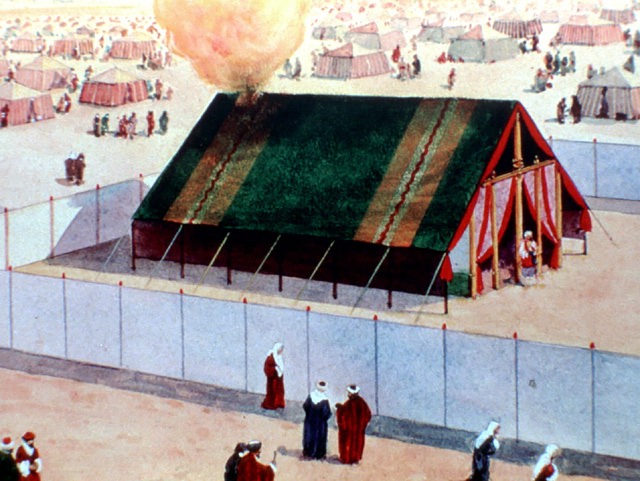
Pagan religions sacrificed to appease angry gods or goddesses. Unfortunately, the more the Israelites associated with pagan cultures, the more they misunderstood their own sacrificial system. They were not to sacrifice to an angry God to please Him. Sacrifices do not please God; the meaning behind them does.
God reveals that if sin is not punished or atoned for, it makes people sick and spreads like a disease, just as a victim becomes sick after trauma is inflicted upon them. Sin traumatizes the human species. It kills us from the inside and out. If sin is not atoned for, it will drive us even crazier. The point of the sacrificial system was to teach His people a healthy way to deal with the sin in their society and, at the same time, create the opportunity of a “new birth”, a chance to start over, by having a substitute take the punishment. This substitute pointed to Christ. The perfect way to deal with sin is to confront it, but also to offer hope. Without hope, the perpetrator has no motive to change or do better. That is why, every time we see God confront the sin of His people in the Bible, He always offers hope, an alternative, or a solution. In hope lies the power to make a change.
In return for Christ taking our punishment, we are to take responsibility for our actions. If we don’t, the sacrifice is pointless.
God said at a time when Jewish society was almost destroyed by sin: “Why should ye be stricken anymore? ye will revolt more and more: the whole head is sick, and the whole heart faint. From the sole of the foot even unto the head there is no soundness in it; but wounds, and bruises, and putrifying sores: they have not been closed, neither bound up, neither mollified with ointment” (Isa 1:5-6).
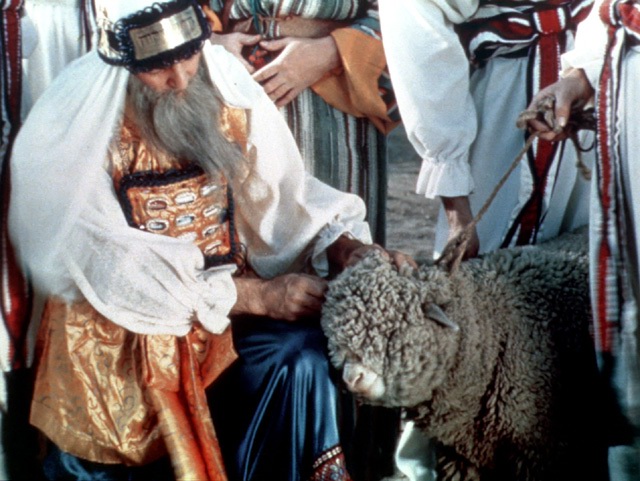
He further says: “To what purpose is the multitude of your sacrifices unto me? saith the LORD: I am full of the burnt offerings of rams, and the fat of fed beasts; and I delight not in the blood of bullocks, or of lambs, or of he goats. When ye come to appear before me, who hath required this at your hand, to tread my courts?” (Isa.1:11-12).
He then tells them why their sacrifices are pointless: “And when ye spread forth your hands, I will hide mine eyes from you: yea, when ye make many prayers, I will not hear: your hands are full of blood. Wash you, make you clean; put away the evil of your doings from before mine eyes; cease to do evil; Learn to do well; seek judgment, relieve the oppressed, judge the fatherless, plead for the widow. Come now, and let us reason together, saith the LORD: though your sins be as scarlet, they shall be as white as snow; though they be red like crimson, they shall be as wool” (Isa 1:15-18).
Their sacrifices were in vain when they did not understand their point. They thought they could sin and then just please God by bringing a sacrifice, and then everything would be fine.
It was not, for the sanctuary service was to bring resolution and closure. God knows that if He kept forgiving violators who did not take responsibility for their actions and did not make recompense to their victims, it would harm society and the victims, making everything worse. People would cry for justice.
“Tooth for a tooth and life for a life” was part of the law. “And if any mischief follows, then thou shalt give life for life, Eye for eye, tooth for tooth, hand for hand, foot for foot, Burning for burning, wound for wound, stripe for stripe” (Exo.21:23-25). If someone stole, they had to give it back with interest or make it up in some way. If someone destroyed someone else’s life, they needed to compensate. Loss of income and life were to be addressed, not ignored. Many think these principles were changed when Jesus said: «Ye have heard that it hath been said, An eye for an eye, and a tooth for a tooth: But I say unto you, That ye resist not evil: but whosoever shall smite thee on thy right cheek, turn to him the other also» (Matt.5:38-39)
Christ did not abolish compensation or decide that people no longer had to take responsibility. Nor did He abolish God’s law (Matt. 5:17). He added a deeper reflection and urged people not to mistake God’s intention and abuse it to be cruel without mercy. The same principles God revealed in the Old Testament, Christ too said: «Therefore if thou bring thy gift to the altar, and there remembers that thy brother hath ought against thee; Leave there thy gift before the altar, and go thy way; first be reconciled to thy brother, and then come and offer thy gift. Agree with thine adversary quickly, whiles thou art in the way with him; lest at any time the adversary deliver thee to the judge, and the judge deliver thee to the officer, and thou be cast into prison. Verily I say unto thee, Thou shalt by no means come out thence, till thou hast paid the uttermost farthing» (Matt.5:23-26)
Although Christ said we should reconcile with those we have hurt before asking for His pardon through His sacrifice, He also said that an eye for an eye is not always the solution.
In a society without forgiveness or mercy for those who commit offenses, love will soon grow cold. The absence of hope will keep them from changing and will inspire acts of desperation. Sometimes, battling «evil» and seeking justice for ourselves can drain us and only harm us. God wanted us to be confident enough as His followers to dare to show mercy rather than get even. Many who harm us are ignorant of their behavior. That does not excuse their actions, but by being the person who shows mercy, we can show them another way and perhaps even help them regret their actions. We can give them hope. Christ did not abolish the former law; He just showed that justice is important, but forgiveness is greater. One destroys, and the other brings life. Despite the eye for an eye principle in God’s law, God Himself practiced long-suffering mercy toward those who rebelled against Him, as seen throughout the entire Old Testament. God did not get even when someone violated His law and even blasphemed Him; He tried to reason with them, work with them, educate them, and love them before being forced to punish them. Thus, the Old Testament God and Christ reveal the same principles of justice: if mercy is possible, it is superior to getting even.

In cases where it is not about revenge but about protecting and helping the victim, the latter statement of Christ would be more fitting than the “turn the other cheek” statement. Leaving our gift at the altar and then trying to make amends to the person we have hurt is part of the process of reconciliation with God. Not even Jesus would want us to free an unapologetic killer from prison, as that person would just kill again. If a man shoots one child, we should not hand him our next child to shoot. Everything Christ says has to be evaluated from a bigger perspective, harmonizing with the law and His other words. By establishing a law of justice and the option to choose mercy when possible, God is telling us not to judge blindly, but to exercise discernment. We should consider mercy if it is the better long-term solution, or punishment if that serves justice best.
Christ is the law in the flesh and the word in the flesh. We know His principles have not changed, for Christ, in the book of Revelation, says to His people: “Reward her even as she rewarded you, and double unto her double according to her works: in the cup which she hath filled fill to her double” (Rev.18:6).
The principle of the law still stands, but it cannot be practiced flawlessly. Christ’s words do not abolish the past or the future. Rather, they bring another side of the issue to light.
It is important for our well-being that when applying an eye for an eye, it is not to feed our hatred but to protect victims. If we use Christ’s saying of turning the other cheek wrongly, then it would also mean we should let all prisoners be released from prison. This is hardly what Christ meant by it. In fact, the apostle Paul tells us to be obedient to our government, as it acts as God’s hand to punish transgressors: «Everyone must submit himself to the governing authorities, for there is no authority except that which God has established. The authorities that exist have been established by God. Consequently, he who rebels against the authority is rebelling against what God has instituted, and those who do so will bring judgment on themselves. For rulers hold no terror for those who do right, but for those who do wrong. Do you want to be free from fear of the one in authority? Then do what is right and he will commend you. For he is God’s servant to do you good. But if you do wrong, be afraid, for he does not bear the sword for nothing. He is God’s servant, an agent of wrath to bring punishment on the wrongdoer» (Rom.13;1- 5)
Paul claims that God has encouraged and supported the government’s practice of putting people on trial and in prison for crimes against others. Only when the law conflicted with God’s law or God’s commands did Paul transgress, which is why he ended up in prison. The sanctuary service reveals God’s justice. His law was meant to define right and wrong, and it is the law that defines sin. God created mankind, and His moral laws are designed to keep people healthy. When those laws are broken, they create stress and disease in the mind and body. Although scientists have not yet fully understood this, humanity was created by God’s intelligent design to function in harmony with His moral laws. They cannot be separated from each other without causing disease and death. Moral laws are not just about feelings and the mind; they affect every cell, organ, and genetic makeup of our body. Even sound and smell affect our bodies.
Without a standard to define right from wrong, there would be no way to bring peace to the afflicted. For those who have been subjected over time to the idea of good being bad and bad being good, there is great mental confusion, especially because it is disruptive to bodily health. If there were no moral law designed for mankind from creation, there would be nothing to judge by. Everyone would have their own perception of right and wrong, and would punish each other in different ways when their perception of right is violated. This is the definition of the biblical term “lawlessness”. When the laws that God has created to harmonize with the human body are replaced by laws that do not work with it, the result is disorder. To illustrate this with an extreme example: There are many people who think sexual activity with children isn’t wrong. If the child consents, it need not be wrong, they claim. While others are very determined that a child cannot make that decision and that it is wrong no matter what, here are two different opinions of what is right, and from them, you can, in theory, create two different laws. The same is true with abortion. To one, it is murder; to the other, it is health treatment. Or clashes between men and women in the Western world. A man might think it is morally fine to seduce and sleep with a woman, only to dump her when he is satisfied. While for others, this is morally wrong. Some eat dogs; others consider this a horrible thing. People’s morals and ways of viewing life are extremely diverse.

Anyone who has taken the time to study narcissism knows how a strong person can destroy another by constantly changing the rules as they see fit. This is exactly what would happen if there were no rules. We have a society where the strong and least conscious people make laws that suit their egos, and if you do the same and it does not suit them, they will make one rule for them and one for you. It will confuse, suppress, and create constant ambiguity. The strongest will always win. Children who grow up without rules and a safe set of boundaries often become anxious and struggle with making decisions. Laws and organizations create safety and secure fairness. If the same moral laws apply to everyone, rich or poor alike, powerful or ordinary alike, it secures a fair judgment. God’s laws are not made to suppress; they are made to secure safety and freedom. To hinder and minimize suppression.
If people are allowed to make God’s laws on His behalf, we can see a glimpse of the consequences in the religious chaos of the world today. Every congregation and every religion has made up its own rules and traditions. Some are bad, many are suppressive, and others are good. Overall, differences in moral views and worship lead to clashes and disharmony. When man makes rules, he does not see the full picture and, feeling a need for control to combat chaos, creates suppressive laws to control people. He tries to control what he fears and what he cannot see or predict, which in reality produces biased laws born of blindness. Whenever a new situation arises, another law is created. Then someone does something unusual, and yet another law is made, until they end up with hundreds, even thousands, of laws. Once laws are applied to every little aspect of life, it becomes nearly impossible to see them from a wider perspective. The laws become blind and can end up harming those they were originally meant to protect. Every country has its own set of laws, as does every society, even small communities living in isolated areas. Because a society cannot function healthily without laws. Societal laws create a community of cooperation, helping people work together to grow and feel safe. It also serves as a safeguard against a single strong person taking over the direction a society takes on a whim and on a personal basis. So is the intention with God’s law; only His is perfect, as it is designed especially for creation. (Psalm 19:7, Isaiah 8:20, Romans 7:16, Romans 7:12)
While the world still struggles with chaos and ever-changing government structures and laws, had God’s law been followed, there would be peace. God’s law addresses the causes of all issues, while the laws of the world often stumble in the dark, blindly targeting potential enemies and failing to see that a disruptive society is tied to its sins. Human laws are ever-changing, shifting according to who cries the loudest, who complains, or who was the last victim. They shift like a child’s emotions (Isaiah 3:1-7). Laws are made through the manipulation of emotions. One law protects one person but harms another. Man is willing to adjust laws for family but not for strangers, and is easily swayed by a need for recognition. Trying to satisfy sinful desires while also protecting people does not work. It is like trying to press a square shape into a round hole. It is an impossible task. A sinner cannot produce a perfect law. They can only produce a flawed one because they are flawed. Their vision and sense of justice are constantly biased. No matter how the governmental structure is made or how many laws are made, we can see that there is no peace on earth. Not even a single neighborhood is safe. Though there had been no laws, there would be even more problems than those we are already seeing.
Because of man’s imperfections and fickleness, God has not placed into the hands of man the power to define sin. That would be unfair to mankind. God’s definition of what constitutes sin is tied to His knowledge and science of His own creation. What feels right and good to one man might not do him or others any good. “There is a way which seemeth right unto a man, but the end thereof are the ways of death” (Pro. 14:12).
God knows how every cell in our body is constructed. He knows our DNA perfectly. He knows the secrets of the “brain” in our hearts and gut.
God’s laws are based on understanding completely what destroys man from the inside and what destroys a society.
God declares that He must be the creator of the law for the world, and that He alone decides what is right and wrong. This is for our protection against sinful lawgivers. Sin is the breaking of God’s law, not man’s (1Jn. 3:4). God has created a law to protect people from traumatic experiences that damage the soul, mind, and body, yet He knew the law would be broken. So He created the sanctuary service, showing that when sin is committed, the road to recovery must include full repentance and regret, an acknowledgment of wrongdoing, and a sincere desire to change and not repeat those transgressions. In addition, the perpetrator had to pay compensation to their victim. If their crime was horrible, God ordered the death penalty. And this was at a time when it was not possible to imprison people for life. Either they walked free, were tortured under inhumane circumstances in a dungeon where they would slowly die of natural causes, or they were put to death immediately. Even the death penalty was meant to protect the victim and future victims, not to satisfy an angry God. God is not in danger from a violent man; He is safe. The harsh punishment was meant to protect people here. Dealing with sin was to provide a conclusion for the victims.
For many victims, the road to recovery starts and ends with their transgressor taking full responsibility for what they did, without blaming the victim. Mankind has a deep hunger for justice when injustice occurs. God created us that way so that we would live in harmony and not sin against each other. Unfortunately, we have become biased, and our hunger for justice often fades when we are the ones doing the harm. If a perpetrator does not take responsibility and admit their wrongdoings, they further harm their victim. The need for justice drives many insane; they don’t find peace unless they get it. There is no closure.
The sanctuary system is not just the individual taking responsibility; it shows the whole plan of salvation, from Christ’s death on the cross to the final judgment. Those who do not repent will not receive pardon through the blood of Christ.
This is why repentance is emphasized so often in the Bible. There is no justice without it. Christ died to atone for our sins, but He cannot repent on our behalf. Where there is no repentance, the hunger for justice remains. If someone has hurt you and shows no regret, it becomes very hard to let go of that painful experience.
It was John the Baptist’s message: “Repent ye: for the kingdom of heaven is at hand” (Matt.3:2). It was Christ’s message: “From that time Jesus began to preach, and to say, Repent: for the kingdom of heaven is at hand” (Matt. 4:17).
It was the disciples’ message: “And they went out, and preached that men should repent” (Mark 6:12).
Christ said: “I tell you, Nay: but, except ye repent, ye shall all likewise perish” (Luke 13:3).
Peter said: “Repent, and be baptized every one of you in the name of Jesus Christ for the remission of sins, and ye shall receive the gift of the Holy Ghost” (Acts 2:38).
In Revelation, Christ tells five of His churches to repent of their wrongdoing. He says, “As many as I love, I rebuke and chasten: be zealous therefore, and repent” (Rev.3:19). The importance of repentance is that it is the only way for us to change and take responsibility. Christ’s blood can cover our punishment, but it cannot stop us from continuing to harm others and ourselves.
Everyone wants justice, and everyone cries out to God to deal with their oppressors. If we treat others badly, they too will bring their complaints before God. God will judge mankind for all the harm they cause. However, if we are willing to take accountability for our actions, He sees the potential to work with us. «For all have sinned and come short of the glory of God» (Rom. 3:23). That is why He asks us to repent, not only for our own sake but also so that those we have hurt can get closure and healing. When we repent of a wrongful action done towards another, we elevate their worth and give them some peace to move on. We set them free from the harm we had caused. God’s law’s place in this is to ensure everyone is judged and measured according to the same standard. A fair standard. «So, the law is holy, and the commandment is holy and righteous and good» (Rom. 7:12). Although the law is righteous, it cannot make any of us righteous. It is just something to be measured by. It is understanding its principles; to understand our sin when beholding it, we must go to God with repentance and seek pardon through Christ’s blood.
The law does not transform us; it exposes us. Normally, when we are exposed, we either fight back or protect ourselves. Neither response can bring about a true change within us. This is why the law exposes, but Christ’s mercy changes. When we are offered mercy, we are given hope, and hope and love inspire change. The law does not offer a remedy or solution. Its accusation feels threatening and makes us defensive. Christ’s love and His compassion in taking our punishment and removing that threat from us can help us change in ways the law cannot. Seeing someone take our punishment should give us a safe place to confess and reflect on what we did wrong. If we do not reflect, we make Christ’s sacrifice of no effect.
Without the law condemning us, we do not look for the mercy that inspires change. In addition, the law protects our human worth and will judge those who harm us and do not regret it.
God’s throne is therefore a combination of truth and mercy: «Mercy and truth are met together; righteousness and peace have kissed each other» (Psalm 85:10). Both are important for our salvation.
The abuse of God’s system in the Old Testament and in the Christian era is the same. In both instances, God’s offer of forgiveness through the sacrifice is used to excuse sin rather than to repent of it. This is sacrificing without taking responsibility. The sanctuary system that pointed to Christ reveals that such a gospel is a false one, and this false gospel causes great harm to Christian churches (Heb. 10:26).
If we refuse to repent, God will seek justice: “For we know him that hath said, Vengeance belongeth unto me, I will recompense, saith the Lord. And again, The Lord shall judge his people” (Heb 10:30). To many, this seems brutal, but God is seeking justice on behalf of those who have been wronged.
If someone does us great harm and we are willing to forgive them at even a glimpse of regret and self-reflection, but instead are met with more abuse in return for our kindness, we would and should want to see that person held accountable. God will hold accountable those who refuse to acknowledge the harm they cause. They will not be invited to heaven or the new earth to continue their havoc there. It is a fair judgment.
“The one who overcomes will inherit all things, and I will be his God, and he will be My son. But to the cowardly and unbelieving and abominable and murderers and sexually immoral and sorcerers and idolaters and all liars, their place will be in the lake that burns with fire and sulfur.” (Rev.21:8)
Most people understand these principles when harm has been done to them. They are less inclined to understand this principle when they harm others. We want God to punish those who cause offenses against us, but we do not wish to be punished when we do the same.
God is fair and treats us all the same. He judges by the same standard, He offers the same recovery program for everyone, and the same atonement. It is up to us, and it is our responsibility to take part in His solution.
God gave us this exchange. He says that if we accept His offer of a new chance and forgiveness, we should also allow Him to give a new chance and forgiveness to someone who repents of the evil done to us, if he is truly sorry (Matt.18:21-35). In this way, Christ also pleads with those we have hurt, reasoning with them to accept His forgiveness of us.
God has no choice; He cannot favor one person over another or have one law for one person and a different one for another. We are all in the same situation.
If this leads us to think that God does not demand that people take responsibility for their actions and that transgressors can transgress, we have listened to the false gospel.
All who wish to receive God’s pardon must repent.
For most victims, this is all they want to see: that the abuser or perpetrator understands the hurt they have caused, regrets it, and desires a chance to make it right. In that alone lies the closure a good Christian needs. When there is no repentance, there is no closure for the victim, and the only alternative is punishment to bring peace. Either we get closure through repentance and change, or through the wrongdoer being punished. This is exactly God’s way of seeking justice for mankind, demanding repentance and change, or bringing consequences for the evil done. This is how He brings closure to all sins in the world.
Another point we should briefly address is that God, too, has been wronged. When we oppose God, we sin against Him. We sin against life and our life-giver. We sin against our redemption and our healing. We sin against ourselves. Although God is all-powerful, a wrong deed toward Him is still wrong and violates nature. We have His breath of life in our lungs, and we are connected to Him on both a genetic and emotional level. Just as destroying parts of our body would physically harm us, fighting God harms us equally. If He accepts sin done to Him, He will encourage rebellion against all laws and the standards He has set.
Jesus said, “All manner of sin and blasphemy shall be forgiven unto men; but the blasphemy against the Holy Spirit shall not be forgiven unto men” (Matthew 12:31). Here, He says that even blasphemy against Him can receive pardon. Why then can sin against the Holy Spirit not be pardoned?
Jesus said: “And when He [the Holy Spirit] is come, He will reprove the world of sin, and of righteousness, and of judgment” (John 16:8). It is the Holy Spirit that guides us to repent and convinces us we have done something wrong. If we reject that voice and reject our guilt, there is no pardon. If we sin against God and receive the reproof of the Spirit, we can still find redemption and be united with our life-giver and sustainer.
When someone does not repent after hurting you, even in a minor conflict, we feel worthless around that person. When sin is excused indirectly, it is said that what harmed us was justified in some way. When God says there is no excuse for our sins, He is telling us how much we are worth as human beings. He is saying to you that you are worth something and that no sin committed against you is justified, no matter the circumstance. He says the same to the ones we hurt. That person is worth more than how we treat them. We have no excuse to harm others. No noble cause can be used to defend ourselves. A human is worth more than that. God is very misunderstood. He is fighting for humans’ worth and rights more than humans do themselves. He elevates man in His judgments, while we downgrade and stupefy ourselves rather than admitting wrong. Many are content with their lives, as Job observed, leaving a trail of wounded and hurt people in their wake. Just because someone is happy despite sinning does not mean their sin is not a sin. The damage exposes the sin.
Those who refuse to repent of wrongs done to others are treated like pawns in the chess of life. A necessary sacrifice to achieve a goal. God’s strictness against this way of thinking is tied to His great love for every human life. Our bodies were not created to be afflicted. We are designed to live in a world without sin. The trauma scars we all carry were not God’s intention for mankind. He wants to bring us into harmony with a world where we are no longer constantly harmed and can live with the physical and mental strength we are meant to have.
False gospels
Everyone has experienced the hurt that follows a terrible apology. When you confront someone and receive an “I am sorry you feel that way,” “Sorry you took it that way,” or “Sorry you responded that way,” it confuses and wounds. They apologize on your behalf, not their own. They blame you for responding negatively to their behavior rather than simply apologizing for it. This type of apology brings closure to the transgressor but not to their victim. It is an attempt to close an infected wound. The hurt will continue to resurface. Our souls do not respond to this type of apology with rest. We are not built for it.
God does not accept this type of «repentance” either, as it is not really regret.
Another example of someone not repenting is when they claim the good they did makes up for the wrong. When confronted with the harm they caused, they say: «You only remember the bad things, what about all the good things? »
Many childhood trauma victims suffer from this exact thing. Their parents or guardians bought them clothes and food, yet at the same time, they mentally or physically harmed them. Being told that the good they did should outweigh the bad leaves the wounded feeling guilty or unreasonable for wanting recompense or an apology. Not getting closure, they continue feeling hurt.
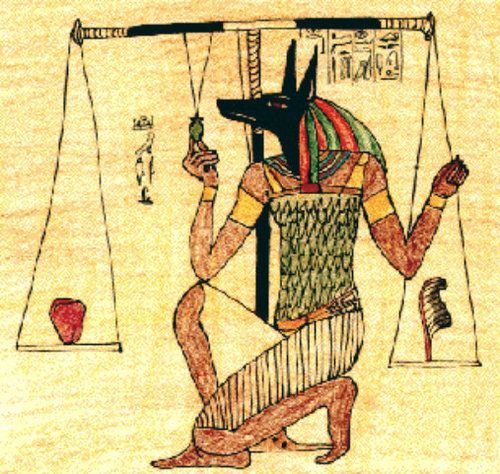
God does not accept that we use the good things we have done to defend our bad actions. Pagan religions often had this concept, especially in Egypt, where, when a person died, their good and bad deeds were weighed on a scale, and whatever weighed the most determined their judgment. So, if the evil deed weighed the most, you would be punished by the gods of the underworld as a bad person.
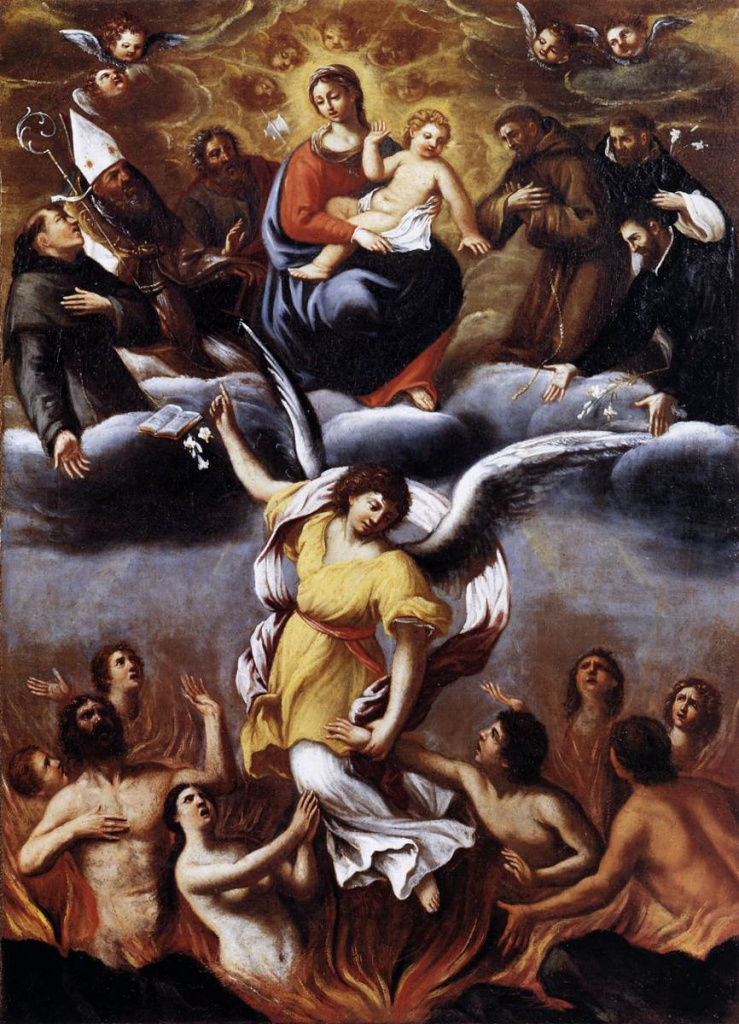
Catholicism is a Christian tradition that also holds that good deeds can make up for bad ones. One could pay their way out of punishment through pilgrimage or other acts, even by paying money. If your good deeds outweigh the bad, you are in God’s favor again. This way of atoning for sin only causes more damage. We legalize sin through good deeds. We cannot harm others and then bribe God to forgive us. This does not bring closure or recompense to those harmed by the wrong actions. It only causes bitterness toward God, as it did during the Middle Ages when this was widely practiced. The large amount of abuse in the Catholic Church is in part the result of this mentality, as priests commit the unthinkable while still believing they are in God’s favor when they are not.
Another extreme example is the Austrian man named Josef Fritzl, who held his daughter «in prison» in the basement, depriving her of healthcare, sunlight, and proper oxygen and subjecting her to horrible torture for twenty-four years. When confronted with his crime, he claimed not to be a monster because he could have killed her. He fed her through all those years and helped her sick daughter get medical care. He claimed the media was “unfair and entirely one-dimensional”. He also claimed the nice things he did should be addressed as well to bring balance to how people view him. It shows the extreme delusion behind this way of reasoning. Normally, the situation is not as extreme as this one, but in everyday life, when someone is harmed and confronted, many choose this approach to the accusation. Rather than apologizing, they focus on the good they have done for them and try to make them feel guilty for seeking an apology for the bad. This is another way of dealing with wrongs that does not give the victim closure or self-worth. (https://www.belfasttelegraph.co.uk/news/world-news/josef-fritzl-i-am-a-victim-not-a-monster/ 28436413.html / https://www.spiegel.de/international/europe/fritzl-speaks-i-knew-what-i-was-doingwas-wrong-a-552224.html )
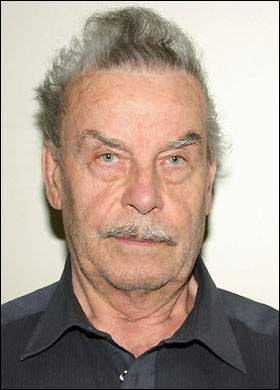
When we hurt others, we cannot point to something good we did to make our case with God. No one would listen to Josef Fritzl, yet everyone found his statements shocking without reflecting on their own behavior.
Nor will God listen to us if we use the same logic, even for lesser offenses than Fritzl. It is a wrong idea to think we can defend a wrong by doing something right. Worse still, some want credit for the evil they could have done but chose not to.
And so, in God’s sanctuary, where sin is dealt with, only repentance without excuse is accepted.
If someone hurts us, we are not allowed to hurt others in return. We have no excuse. By this, we understand that God demands we ask for forgiveness with genuine self-reflection, acknowledging that there is no excuse to harm another person. Perhaps there was a reason, but there is never an excuse.
God understands cause and reaction, but regarding sin, He does not allow it to go unaddressed. Everyone is asked to take responsibility for their actions. No good deed can hide a bad deed, no blame can be shifted to free us, and no trauma done to us gives us permission to inflict trauma on others. Every sin, in the sanctuary system and in Christ, must be confessed and dealt with to bring closure to individuals, for the good of society, and for the sake of the peace of the universe.
In this understanding, we can see that God does not tolerate any crime committed against us. He is not condoning or excusing any wrongdoing against us. He did not condone it because of the aggressor’s past. He frees us from the responsibility of someone else’s sin toward us. He only asks us to take responsibility for our own. If the one person who hurt us does not repent, God tells us not to be afraid to run into that person in heaven. He says:
«To me belongeth vengeance, and recompense; their foot shall slide in due time: for the day of their calamity is at hand, and the things that shall come upon them make haste» (Deu. 32:35)
Paul writes: «Dearly beloved, avenge not yourselves, but rather give place unto wrath: for it is written, Vengeance is mine; I will repay, saith the Lord” (Rom. 12:19-21)
We are not told here to accept cruelty. The principle most nations follow is that the offended and the victim should not take the law into their own hands, but rather let the courts mete out punishment. God is a God of order, and He has a court and a sentence ready for those who refuse to repent.
When the courts here on earth fail us, He asks us not to take the law into our own hands but to let Him judge and sentence our offender.
Be assured: if those who have hurt you do not regret and atone for what they did, God will hold them accountable in His time.

King David is an example in the Bible of how to address one’s own sin. He said, after sleeping with another man’s wife and indirectly causing his death: «Wash me thoroughly from mine iniquity, and cleanse me from my sin. For I acknowledge my transgressions: and my sin is ever before me …Create in me a clean heart, O God; and renew a right spirit within me. ..For thou desirest not sacrifice; else would I give it: thou delightest not in burnt offering. The sacrifices of God are a broken spirit: a broken and a contrite heart, O God, thou wilt not despise.» (Psa 51:2-3.10.17)
Despite forgiving David, God did not take away the consequences of his actions. God allowed him to be punished by them. God confronted him, punished him, and showed him mercy, so David could seek a change in his life and do better.
God allowed David to remain king despite his sins. When his predecessor, Saul, sinned, however, God took the kingdom from him, not because of the sin itself, but because there was no repentance. Saul, unlike David, would not take responsibility for his sins and continued to make excuses for them (1Sa 13:11-12, 1Sa 15:21). The difference between the king God rejected and the king God protected was not that one was without fault. They both sinned in serious ways. The difference was how they responded to God’s call for repentance and to the Holy Spirit’s conviction of their sin. God could not work with Saul when he refused to take accountability, learn, and acknowledge what he had done wrong.
God knows that any victim who does not receive compassion, resolution, and closure will struggle with mental health. Because He wants to free us from being bound by our scars, He wants us to believe in Him and trust that He sees the injustice and has a plan to address it. God will bring us closure. In the belief that someone cares about our worth, our pain, and our suffering, even if no one else does, we can find sanity, strength, and freedom. Justice will come.