




Rome rises around the same time as the fall of Israel. In it lie the very warnings God gave them through Moses. The consequences of their infidelity would lead to suppression and scattering of the people. Rome would become the greatest suppressor of them all in more ways than one.
Genetically and historically, we can see that both the Etruscans and the early Latin people of Italy were part of Rome’s founding. But they are also closely genetically connected to the steppe people who moved westward, from whom most of Europe is now descended.
Did the rulers of Rome come from Troy?
Ancient Greek writers did not view the Roman capital as a Greek capital. And in the prophecy given to the prophet Daniel, we also do not see the Roman Beast as of the “same material” or “beast” as the Greeks, although it rose up near the territories of Greek expansion and trade. Mixing with the Greeks would be unavoidable. Although they intermingled with the Greeks, it was still not a Greek city. Surprisingly, despite the great Greek cities, Rome would become the most powerful city among the descendants of Japhet.
Some Greek historians regarded the Romans primarily as an Italian people who later mixed with newcomers. Writers such as Dionysius of Halicarnassus (1st century BC) argued that the Romans were a mixture of native Italians, Greeks, and Trojans. No matter, still the tribes of Japhet.
Most historians before the common era claim that the founders of Rome were fugitives and former citizens of ancient Troy who had wandered for some time before settling there.
The man who escaped from Troy and whose descendants established Rome was called Aeneas, the son of Aphrodite. The reason many historians reject the historical records of Greek and north-western historians, such as Snorri Sturluson, is the blending of human stories with those of the gods. However, in the ancient world, it was customary to link humans with gods, as tribal leaders and kings often claimed divine authority to legitimize their rule and consolidate power over their subjects. In fact, the Pharaohs did it, the Greek rulers did it, and later Roman rulers did it. No one questions that Alexander the Great was a real person, despite his claim to be the Son of Zeus-Ammon and a descendant of the semi-god Heracles.
So often, historical figures not confirmed by archaeology are rejected as historical figures because they blend with religious mythology. However, this was standard in those days.
Aeneas was a prince of the Trojan royal line and one of Troy’s greatest warriors. The gods repeatedly rescue him from death in battle, reflecting a destiny that extends beyond the fall of Troy and toward the future founding myths of Italy. According to Virgil’s Aeneid, Aeneas escaped the burning city, carrying his father, Anchises, and leading other Trojan survivors to the west. After years of wandering across the Mediterranean, he reached the Italian Peninsula, where he fulfilled a divine mission to establish a new homeland for his people. Aeneas was not considered the founder of Rome itself, but Roman tradition treated him as the ancestor of the line that eventually produced the twin brothers Romulus and Remus. His son, Ascanius, was said to found Alba Longa, from which Rome’s royal ancestry descended. The family of Julius Caesar and Augustus even claimed descent from Aeneas through this lineage. When later other western and northern European tribes claim to be descendants of Troy as well, some residing around the Black Sea region before heading north, this fits with the idea that they are all distant cousins. And although the legends in the rest of Europe are not as old, their connection to Rome, which has had these traditions from very early on, links the two.
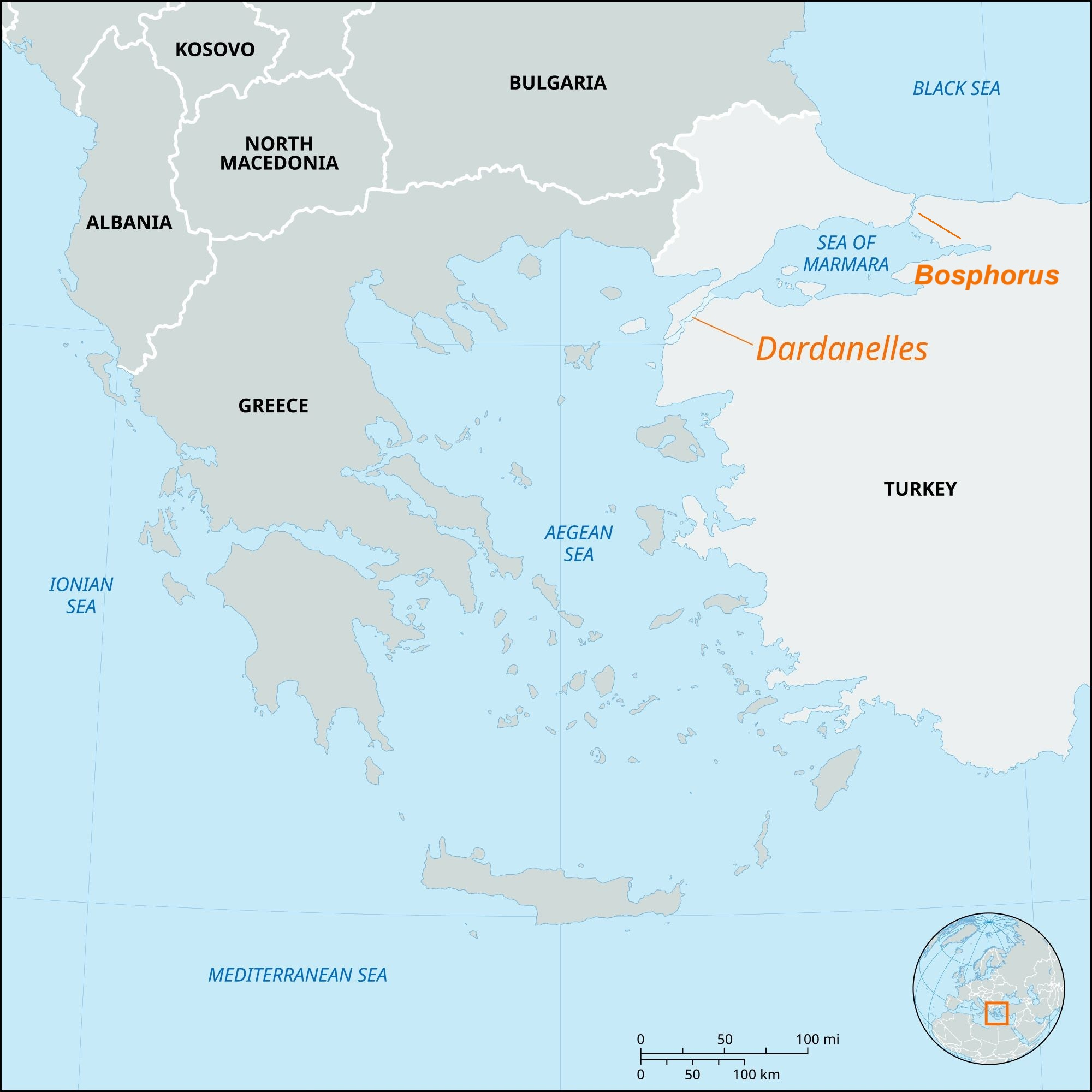
The Position of Troy : Strait of Strife
Ancient Greek historians claim Troy lay in the Dardanelles, the narrow strait in northwestern Turkey that connects the Aegean Sea with the Sea of Marmara.
The name Dardanelles comes from Dardanus (Dardanos), the legendary ancestor of the Trojans. In antiquity, the strait was called the Hellespont by the Greeks, and an ancient town called Dardanus stood on its Asian shore. The modern name “Dardanelles” is derived from that town. It’s now called the Strait of Bosporus.
This narrow strait has been one of the world’s most strategically important waterways for trade, migration, and military campaigns since antiquity. This has caused a constant pull-and-push between the tribes of Japhet and the tribes of Shem throughout time. Even the city of Constantinople is north of this strait, which divides Europe and Asia. Being in the borderland, control shifted between the west and the east.
The strait was central to the history of the ancient Greek world and the Achaemenid Empire. According to tradition, Xerxes I built pontoon bridges across the Hellespont in 480 BCE to invade Greece, while Alexander the Great crossed it in 334 BCE as he began his campaign against Persia. Control of the waterway remained strategically important throughout the Byzantine and Ottoman Empires.
Writers such as Herodotus, Xenophon, and Strabo all describe the peoples around the Black Sea and the importance of the Hellespont as the gateway to that trade.
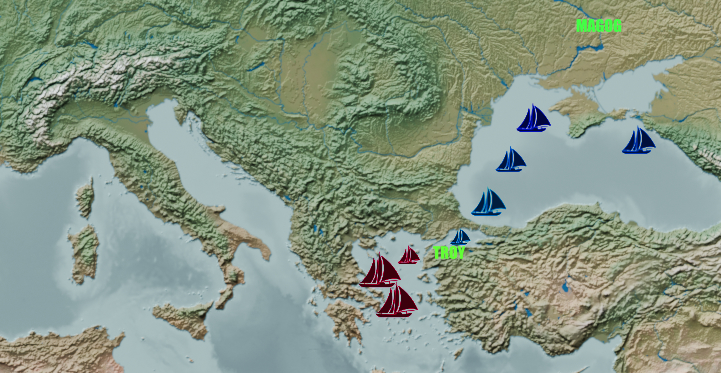
It was the waterway to the territory assigned to the Biblical Magog.
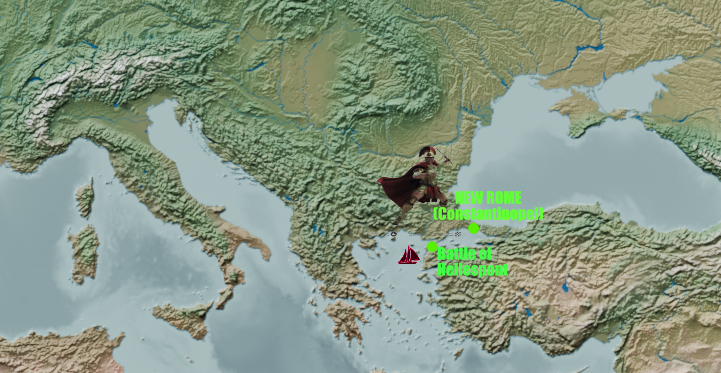
Constantine had become Christian, and securing Rome’s presence at the strait and closer to the Middle East was motivated by his newfound religion and by a desire to make the Middle East Christian-dominated. When Israel took Canaan, there was strife here and people driven out; when Constantine wanted to make Palestine Christian, he took the strait as his starting point to accomplish it, and when England was about to establish a territory in Palestine, they secured the strait. The strait and Israel are connected.
Although Troy is often described as just a city, it was actually a larger region.
Although the Romans claimed to have come from Troy or to have been chased from that region, they would not give up their claim to it. And took great pride in claiming the territories.
Rome took control of that region in 133 BC, when the Kingdom of Pergamon was bequeathed to Rome by Attalus III. The Troad (area around Troy), including the site of Troy, then became part of the Roman province of Asia.
In the year 73 AD, Vespasian incorporated the northern strait of the Bosporus into a Roman province. Herodotus had referred to the city as Byzantion.
Emperor Constantine made this the new capital of Rome in AD 330, and the city was also called New Rome. Zosimus (early 6th century) says Constantine first went to the Troad and began laying out a city between Sigeum and ancient Ilion, but then abandoned the project after receiving a divine sign and instead chose Byzantium (New History II.30). Historical writers such as John Malalas (AD 490-570) present Roman history as beginning with the Trojans and continuing through Rome to Constantinople. Because Constantinople was the New Rome, they believed it inherited Rome’s Trojan ancestry.
This is all more relevant than meets the eye when we dive into the Bible’s prophecies and how God describes bringing Rome down step by step, as we will look at in another chapter.
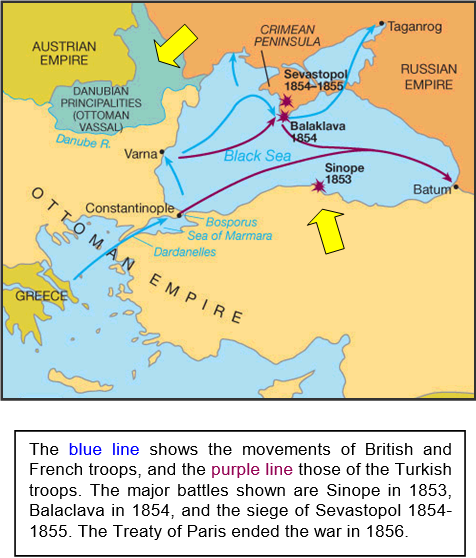
Many modern wars are, interestingly, tied to the same strait, showing how its importance has never changed. During the Russo-Turkish wars (17th- 19th centuries), it was a recurring Russian objective to gain influence through this passage, and the conflict became known as “the Straits Question” in debates. During the first Crimean War, one of the central issues was preventing Russia from dominating the Black Sea and then seizing the straits (1853–1856). Britain and France feared Russia would control the Straits and expand toward the Mediterranean and therefore helped the Ottomans. Russia lost. The Treaty of Paris (1856) limited Russian power in the Black Sea and protected Ottoman territorial integrity.
Then, from friends to enemies in the conflict in 1915-1916. The Gallipoli campaign’s objective was to capture the Dardanelles, reach Constantinople, and knock the Ottoman Empire out of the war. This time the United Kingdom and France fought against the Ottoman Empire, siding with Russia because the Ottomans had allied with Germany. This ultimately led to the end of the Ottoman Empire.
After the Ottoman Empire collapsed, modern Turkey was founded in 1923. During the Cold War, Turkey feared Soviet/Russian pressure, especially over the Turkish Straits — the Bosporus and Dardanelles.
So Turkey joined NATO with Greece in 1952, becoming an ally of Britain, France, and the USA against the Soviet bloc. This would, from then on, place the strait at the center of the Cold War between the West and Russia.
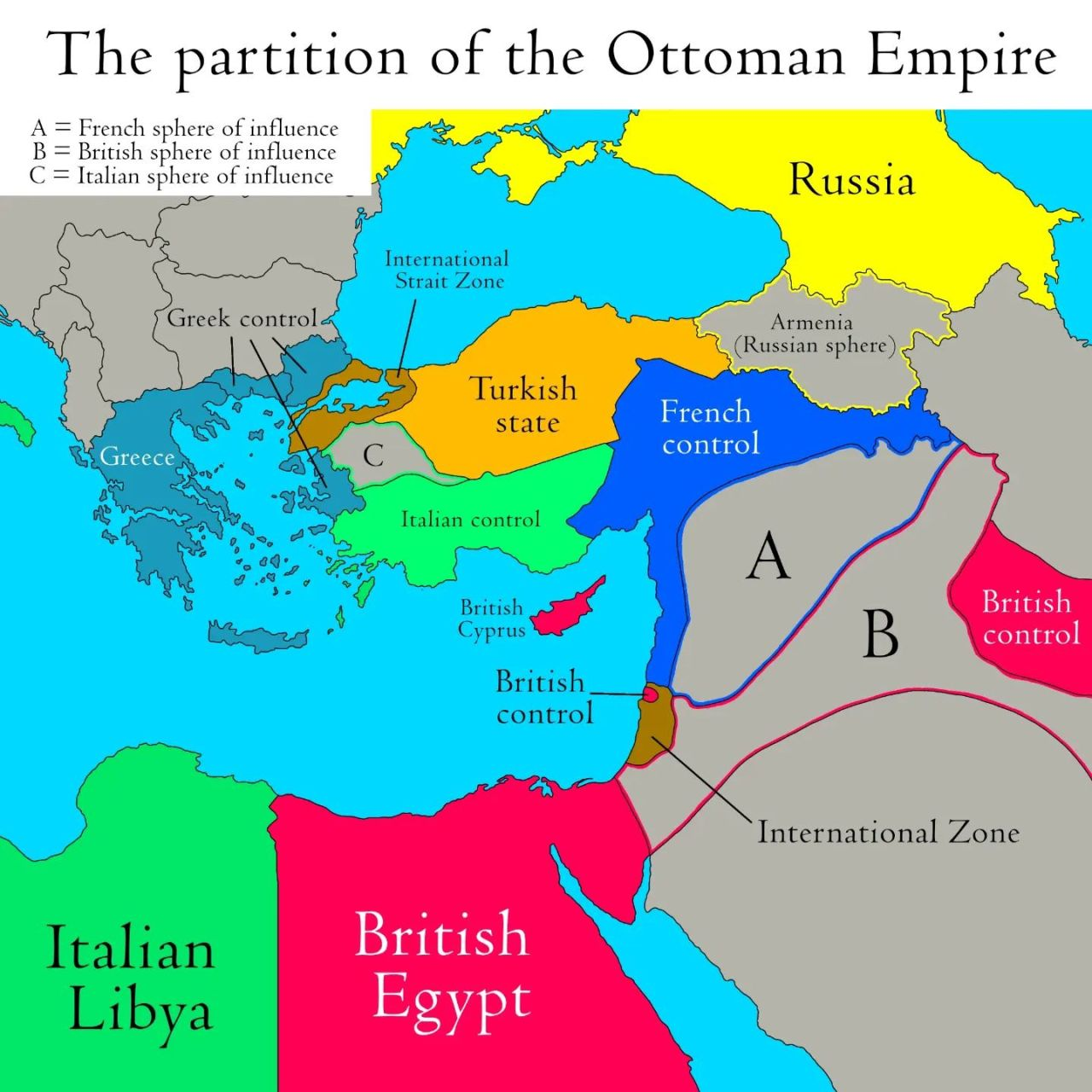
What it was really about was who was in power in the Mediterranean, protecting the lands there, and controlling the trade routes. To this very day, Turkey, through its alliance and dependence on NATO, puts restraints on Russian movements. If Turkey is at war, or believes it faces an imminent threat of war, it can restrict or close the straits to warships under the convention. As an example, after Russia’s full-scale invasion of Ukraine in 2022, Turkey invoked the Montreux Convention and closed the straits to the warships of the belligerent parties.
The strait was always both controlling trade and determining who could trade. In modern times, on the eve of World War I, historians estimate that about 90% of Russia’s grain exports passed through the Dardanelles. When the Ottoman Empire closed the straits in 1914, it cut off one of Russia’s principal export routes and made it much harder for Russia to receive supplies from its Allies. In newer times, it was a political concern in the EU that Russia could deliberately use cheap grain exports to destabilize European markets, especially after Russia flooded the world market with cheap grain, driving prices down in 2023–2024
Even today, Russia exports much of its grain through Black Sea ports, so access to the Turkish Straits remains economically important. Around 90% of Russia’s seaborne grain exports in recent years have departed from southern Black Sea ports, then passed through the Bosporus and Dardanelles.
Who controls the territory is also tied to having the upper hand in conflicts in the Mediterranean. Russia, being sometimes allied with countries NATO countries wish to subdue, especially in the Israel – Arab conflicts, plays a role.
To protect the modern state of Israel before its establishment and now. It is a recurring conflict.
This is all relevant, as we will see, that the powers who wish to have control of this strait are “the horns” of the Roman “beast”. The same nations that, together with Rome, claim to come from this strait. The Roman beast seized it, then the “horns of the beast” have battled for it. And everything will make more sense as we look more closely into the prophecies in Revelation.
Whoever the Trojans were, and even if the story of the war in Greek poetry is said to have initially been about a stolen woman, which Hollywood keeps romanticizing, there might have been a larger conflict at play that is still ongoing to this very day.
The Trojans had placed themselves strategically at a crossroads, securing their own position while also controlling the Greeks’ access. After the fall of Troy, it is said that the inhabitants spread towards western Europe and Ukraine. And of course, the legend of the prince himself, whose descendants, according to legend, laid the foundation of the city of Rome.
The Legendary Founder: On the blood of his brother
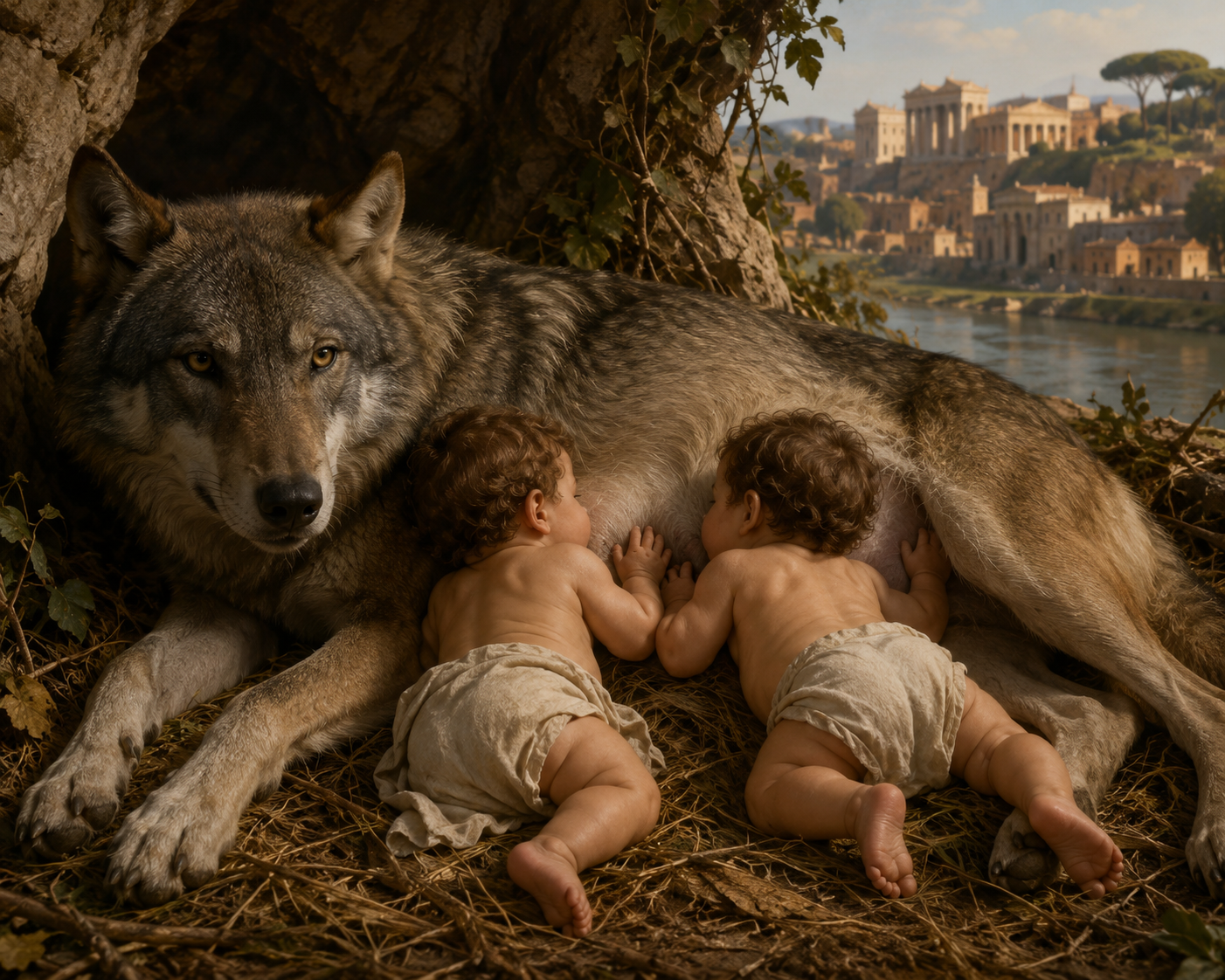
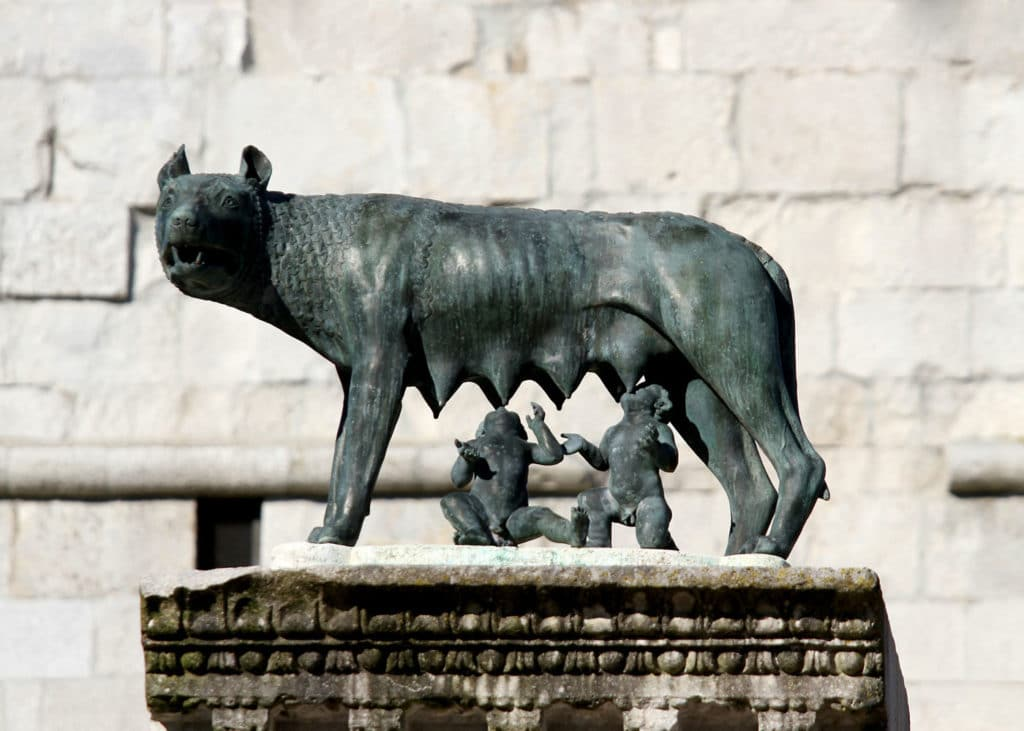
Rome is said to have been founded as a kingdom on April 21, 753 BC, by Romulus, a descendant of the Trojan prince. According to the traditional Roman legend, Romulus and his twin brother were said to have been orphaned and nurtured by a beast. Romulus and his brother Remus quarreled over where to found a new city and how to interpret divine omens. After Remus mocked or crossed the newly built city wall, Romulus killed him, declaring that the same fate would befall anyone who violated the walls of what became Rome. It is not certain, though, whether the story of the city’s founding is a legend or the truth.
The founding date was calculated by the Roman scholar Marcus Terentius Varro in the 1st century BC, very long after the claimed beginning. The ancient writer Fabius Pictor, writing in the 3rd century BC, claimed Rome was founded in 748 BC.
Lucius Cincius Alimentus, an early Roman statesman, historian, and annalist active during the late 3rd century BCE, claimed it was founded in 729/728 BC. But Rome ultimately adopted Varro’s calculation, which was based on kings’ lists, genealogies, and chronological calculations.
Archaeologically, settlements on the hills of Rome date back to around the 8th century BC, which aligns fairly closely with the traditional date. Its then-young city also explains why the Bible never mentions Rome when listing the great trading cities of its time. Rome was fairly new and not yet a major trading hub. To be that, it had to be a city in a very populous area, which Rome for a long time wasn’t.
The Scattering and Gathering
Greek historian Eratosthenes dated the fall of Troy to the 12th or 13th century BC, which corresponds to the Judges era (1400–1350 B.C. to 1045 B.C) and roughly before the Great Bronze Age collapse. But with history written so long after, it may very well be around the same time. If Greek, Roman, and Biblical history are considered together, we should note that the founders of Rome were first dispersed from the Near East when Israel entered Canaan. God promised to drive out any enemies Israel had and give them peace. God might have done more than drive people out of Canaan.
Again, the timesetting is important because it was during this era that God was helping Israel establish itself in Canaan.
About the future Northern Israel kingdom, God said: “
“His glory is like the firstling of his bullock, and his horns are like the horns of unicorns: with them he shall push the people together to the ends of the earth” Deuteronomy 33:17
The meaning here shows how the northern kingdoms’ presence, led by the tribes of Joseph, would push people further into their lands. “The ends of the earth” in ancient times was commonly used to refer to the cardinal directions, not because they believed the earth was flat and had an actual end.
The people of the east were pushed eastward, the people of the north pushed north and westward, the people of the south pushed southward.
Other scriptures say:
“Then will the LORD drive out all these nations from before you… There shall no man be able to stand before you.” (Deuteronomy 11:23–25)
And to Solomon: “Behold, a son shall be born to thee… I will give him rest from all his enemies round about… and his name shall be Solomon.” (1 Chronicles 22:9)
Uprooting people that were a threat to Israel would also mean future threats as well as current threats. God would ensure his people were not threatened, as long as they remained faithful. It cannot be said completely for sure that the Trojans and the Indo-European tribes in Anatolia would have been a threat to Israel, but it’s striking when they dispersed, but also when they re-enter the scene.
They scattered when Israel was faithful. And they came back when they were not.
The Strait of Bosporus was the waterway of the northern territory, and if not under control, would bring the hordes of the north towards the promised land by ships. God permitted the Greeks to have control of these areas, but others were pushed out. If the strait was for a while controlled by the tribes of Magog in the north, God would protect Israel by blocking their way to the Mediterranean by a strong Greek presence. For a long time, other tribes also controlled the land route through the Caucasus. And if the story of Troy is true, they even seized it with the help of the tribe of Dan. Pushing these tribes north of the strait, north-west in Europe where they belonged, and some to the Italian peninsula.
In many ways, Rome was the superpower that was never supposed to exist as an imperium had Israel remained faithful. The Roman beast rising and the fall of God’s people are closely connected.
The 7 kings.
The first system of rule in the still-small, growing city of Rome was seven kings ruling over seven hills.
They were Romulus (753–716 BC), Numa Pompilius (715–673 BC), Tullus Hostilius (673–642 BC), Ancus Marcius (642–617 BC), Lucius Tarquinius Priscus (616–579 BC), Servius Tullius (578–535 BC), Lucius Tarquinius Superbus (535–509 BC)
Rome was founded as a city upon and in between seven hills:
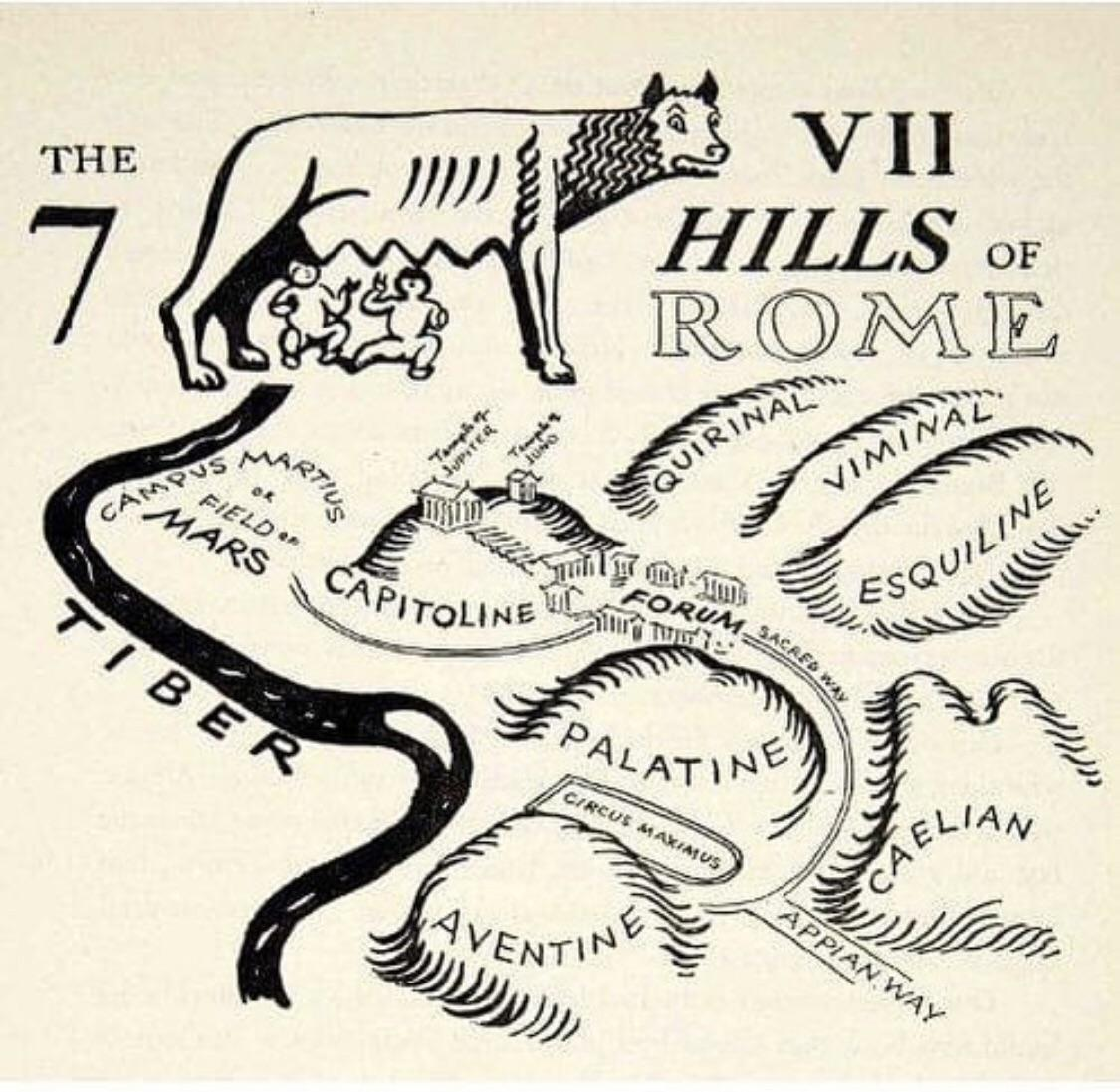
- Palatine Hill – The traditional site where Romulus founded Rome.
- Capitoline Hill – The political and religious center, home to the Temple of Jupiter.
- Aventine Hill – Traditionally associated with the plebeians.
- Caelian Hill – Primarily a residential area in ancient Rome.
- Esquiline Hill – The largest of the seven hills.
- Viminal Hill – The smallest of the seven hills.
- Quirinal Hill – Associated with the ancient Sabines before becoming part of Rome.
Not only was it said to have begun with seven kings ruling from the city of seven hills, but Rome would later experiment with seven forms of government: Kings, Consuls, Decemvirs, Dictators, Triumvirs, Emperors, and Popes. In addition, it did what no other empire had done before: change religion.
And we will look at all the subtle and obvious ways God reveals the Roman Beast in Prophecy when we go into the prophecies in detail. And especially the way this beast is so dangerous to God’s people.
The Jerusalem – Rome connection:
For a long time, the Bible is not focused on the descendants of Japhet or viewing them as a threat. Their enemies are rather their surrounding nations in the Near East. But as Israel falls, God again brings up the names of Japhet’s sons, beginning with Javan (Greeks). It’s clear that, at the time of Israel’s scattering, they became relevant to Israel, although not before. Knowing they were sold as slaves to these nations around the Mediterranean makes them, of course, relevant, but God also states that the children of Japhet will threaten Jerusalem in the future. To the prophet Daniel, God says that when told of the future, he should look to the west and the kingdoms coming from there. Making the final great enemies of God’s people the children of Japhet, whereas first it was the children of Ham (Egypt, Canaan, Sidon, Kush), then the children of Shem (Midianites, Arameans, Assyrians, Caldeans) before finally being the children of Japhet. In the Bible’s storytelling, we see God place His people as the center of the descendants of Noah physically, but also spiritually in spiritual warfare and how it plays out after each group attacks God’s people in different ways at different places till the end of all earthly kingdoms.
The Old Testament is largely devoted to conflicts between Israel and the tribes of Ham and Shem. It only gives forewarnings of the conflicts with the tribes of Japhet, as they did not occur in Old Testament times. This is why most of what concerns the conflict with Japhet is written in prophecy.
In the New Testament, we are taken to the time of the prophesied conflict and how it develops from then on. The book of Revelation explains how the conflict will continue to play out from John’s time to the end.
The mention of the Japhate tribes begins at the close of Israel’s era of kings. The Northern Kingdom of Israel fell in 722 BCE. Recorded in 2 Kings 17, while the southern kingdom of Judah fell with Jerusalem in 586 BCE.
But before that, Sennacherib, the King of the Neo-Assyrian Empire, in 701 BC “came up against all the fenced cities of Judah, and took them.” (2 Kings 18:13) According to Sennacherib’s own inscription (the Taylor Prism), he captured 46 fortified cities of Judah along with many smaller towns and villages.
While most of the captives taken to Babylon later were from Jerusalem, many from the Judean cities that were taken by the Assyrians were sold on the slave market. 200,150 people, according to the Assyrian stele, were taken from their homes, and Assyria often redistributed captives. Although the Assyrian inscriptions do not say what they did with them, the Bible does. They were sold to the Greeks through Tyre and Sidon.
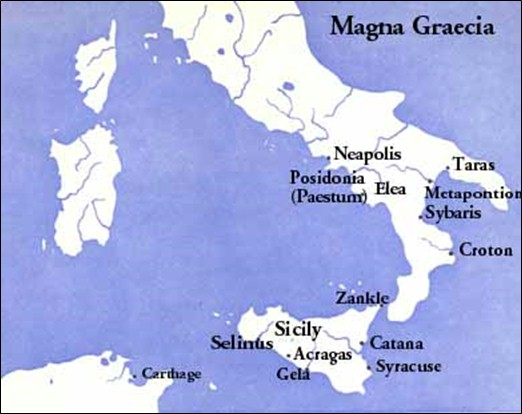
We also know that a Greek colony called Magna Graecia was founded in southern Italy between the 8th and 6th centuries BC. The most notable founding dates include 706 BC for Taras (Modern Taranto) and 734 BC for Cumae. This means that a lot of the Greek slaves were likely brought to these territories, which the Bible records were when the children of Judea were sold to the Greeks and by Greeks in these regions.
No doubt the timing, the genetics, and the records in the Bible show that slaves from Israel and Judah helped build Rome and many Greek and Latin settlements in the region. Over millennia, they would now number in the millions among these nations. Both tribes of Israel, slaves from Judah, immigrants, and Christian-Jewish fugitives have for a long time been intermingled with the tribes of Japhet.
All the major empires shown to Daniel- Babylon, Medo-Persia, Greece, and Rome- had slaves or captives from Judah and Israel among them. This is relevant because God focuses on empires that are connected to his people in ways that are suppressive or even deceptive. It is therefore very relevant that slaves were taken to the western European coastland.
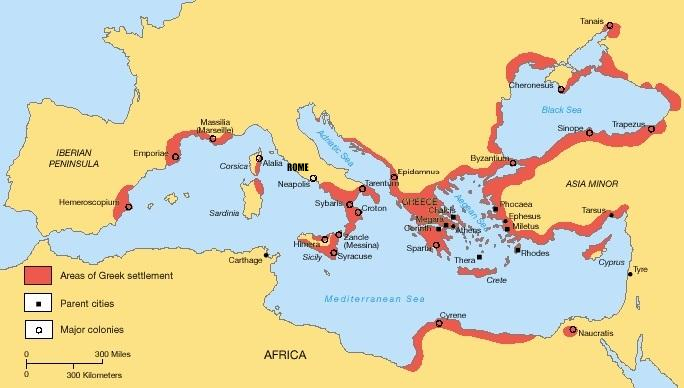
As Rome became a great republic and especially during the Empire, large numbers of slaves were used to build roads, aqueducts, temples, villas, mines, and public buildings.
The curse on Israel if they disconnected with God showed a potentially hard life:
“The LORD shall scatter thee among all people… And among these nations shalt thou find no ease, neither shall the sole of thy foot have rest…” (Deuteronomy 28:64–67)
Among the curses given by Moses to Israel, several might relate to Rome, while one is certain to be about Rome. However, when God gave these curses, Rome did not yet exist, which complicated how God could warn them.
Firstly, the following curse about Israel’s fate does not exclude Rome: “and shalt be removed into all the kingdoms of the earth” (Deu.28:25)
Secondly, they were told to become idol worshippers.
“The LORD shall bring thee, and thy king which thou shalt set over thee, unto a nation which neither thou nor thy fathers have known; and there shalt thou serve other gods, wood and stone” (Deut.28:36)
Although this verse fits very well what happened to King Manasseh, King Jeroboam, and the captives of Judah taken there, one part of the verse does not fit as perfectly.
“Which neither thou nor thy fathers have known.” Babylon was, according to the Bible, the Chaldeans. These people were Abraham’s homeland before going to Canaan. Their forefather. Genesis 11:28 says Abraham traveled from the “Ur of the Chaldees (Chaldeans).
Abraham said:
“The LORD God of heaven, which took me from my father’s house, and from the land of my kindred…” (Genesis 24:7). This tells us that the Chaldeans were descendants of the same people as Abraham. And Babylon was among the most well-known nations at the time. But at the time of Israel’s captivity to Babylon, it was ruled by the Chaldeans, who were also a Semitic-speaking people, though with a different language subgroup than Hebrew.
The curse in Deuteronomy 28:36 can fit the Babylonian captivity and probably speak of it; it may also apply to the Roman destruction. Their last remaining kings were taken down by Rome, as well as the people scattered, killed, or made slaves. The story repeated itself twice, and therefore this curse fits what happened with Rome as well. Herod’s son Archelaus was exiled to Vienne in Gaul by Rome. His other son Herod Antipas was also exiled to Gaul by Emperor Caligula.
Another verse that is the most likely speaking of Rome says:
“The LORD shall bring a nation against thee from far, from the end of the earth, as swift as the eagle flieth; a nation whose tongue thou shalt not understand; A nation of fierce countenance, which shall not regard the person of the old, nor shew favour to the young: And he shall eat the fruit of thy cattle, and the fruit of thy land, until thou be destroyed …And he shall besiege thee in all thy gates, until thy high and fenced walls come down” (Deu 28:49-51 & 52)
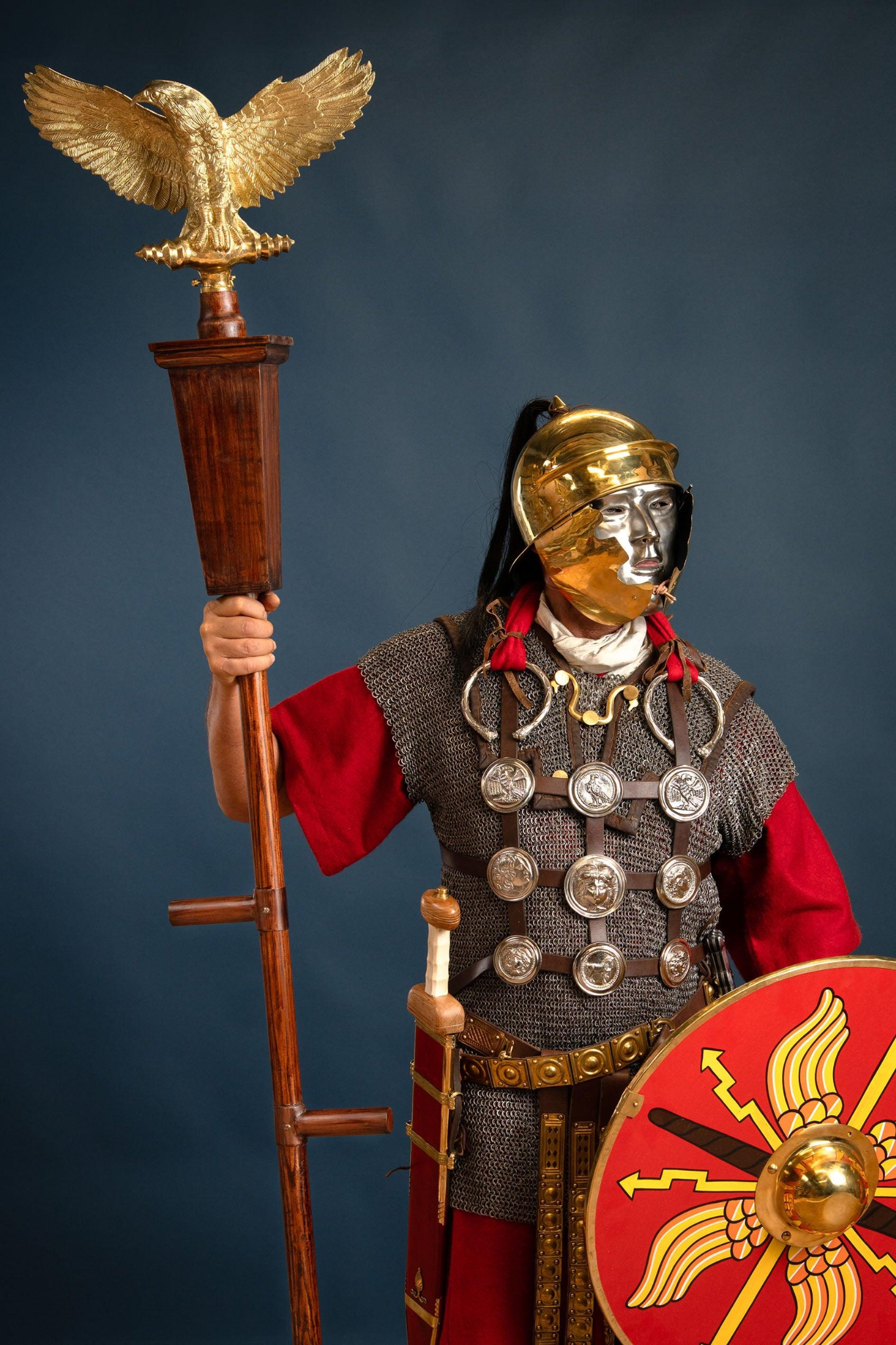
From the end of the Earth: A nation from far, from the end of the earth, points elsewhere than Babylon, which was in the center of the then-known world. Rome long existed outside the known territories of Israel, and its people extended to the western end, which was considered the end of a cardinal direction. The Roman Empire recruited soldiers from the Gauls, Britons, and many other peoples in western Europe. After 25 years of service, non-citizen troopers usually received Roman citizenship. (1)
Strange language: When Babylon took the land, God said the land would rest, enjoy its sabbath, and then be rebuilt. When Rome took the land, they destroyed it so it would not be rebuilt as a Jewish state again. God gave no promise of restoration after Rome’s destruction. The bible curse indicates a different language family from the Semitic one.
Fierce nation: “A nation of fierce countenance” also fits very well with the fourth beast Daniel saw, which is described as “dreadful and terrible”.
Eagle: Finally, the symbolic use of the eagle when describing them, knowing that the eagle was the sacred military standard of a Roman legion. It was one of the most important symbols of Roman power. Every armed legion carried the eagle standard, called the Aquila.
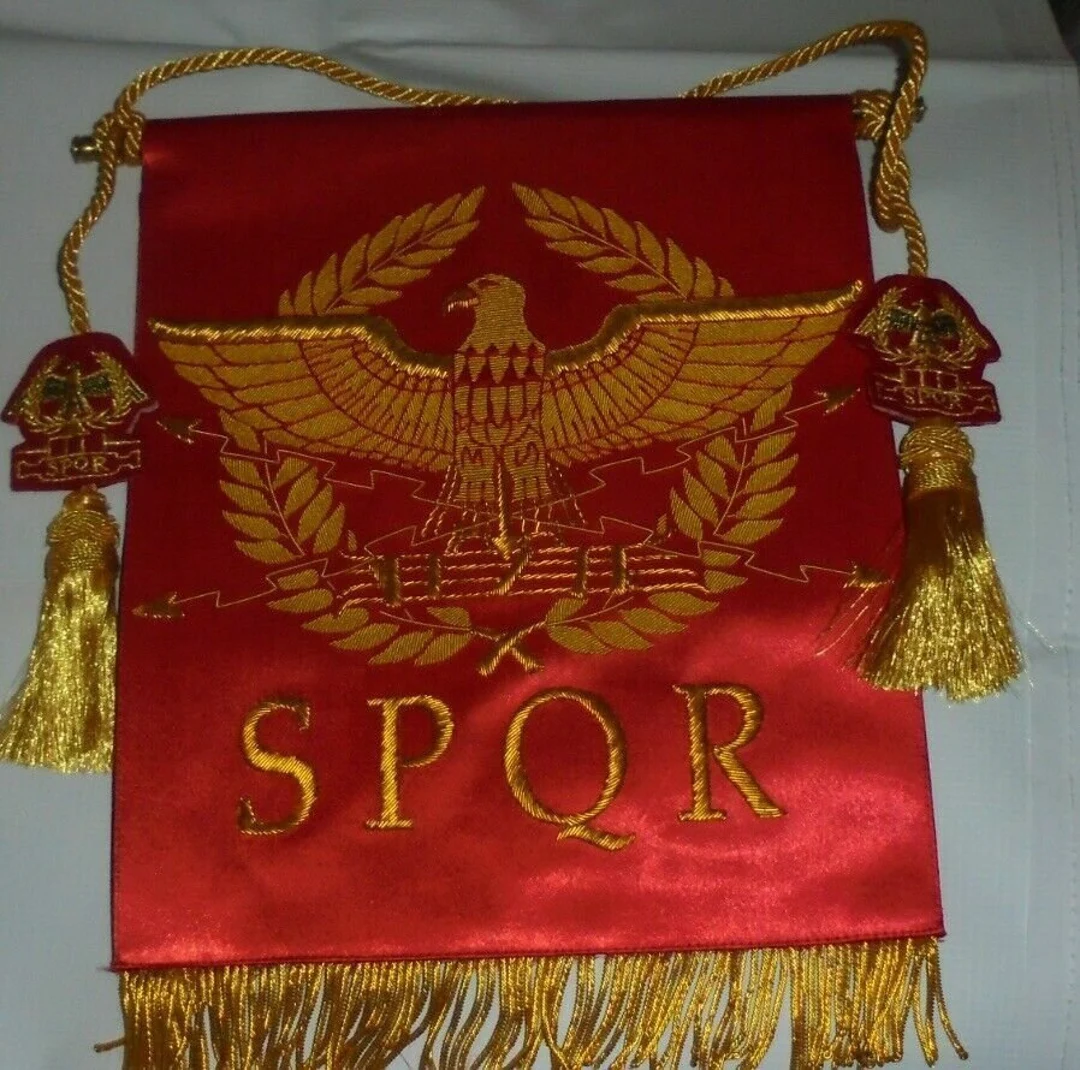
The first connection with Rome in the Bible is that they began to rise when Israel fell. And they would exist till the very end. And God’s earthly kingdom would never be restored during the curse of their and their ten tribe’s exsistance as ruling kingdoms. Once Rome took over, the gathering of Israel would only take place at the coming of Christ’s Kingdom. And they would be gathered to a heavenly city.
Rome began to rise to prominence at the very same time as the selling of Judean and Israeli slaves on the Greek slave-market is no coincidence. Many were also Israeli refugees seeking shelter in the newly established cities. Many chose to travel as far away from their then enemies as possible.
The Bible is clear throughout, and it can not be mistaken: The origin of Rome in relation to God’s people is at least a curse, but more accurately described as “the”great curse.
The Trojan horse
According to Greek tradition, after years of failing to capture Troy, the Danaoi and Greeks pretended to sail away, leaving behind a giant wooden horse as an offering. Believing they had won the war, the Trojans brought the horse into their city, unaware that enemy soldiers were hidden inside. During the night, the soldiers emerged, opened the city gates for the returning Greek army, and Troy was destroyed.
Thus were the claimed ancestors of Rome’s leaders defeated. But as we go through the prophecy and history of Rome’s connection with God’s people, we will also see a similar approach by Rome directed at the Christian church. After first trying to destroy the followers of Christ through open persecution, imprisonment, and killings, without succeeding in bringing the church down; rather, it prospered at every attack they made. They would then create their own Trojan horse and bring it inside the church, where they would destroy it from the inside.
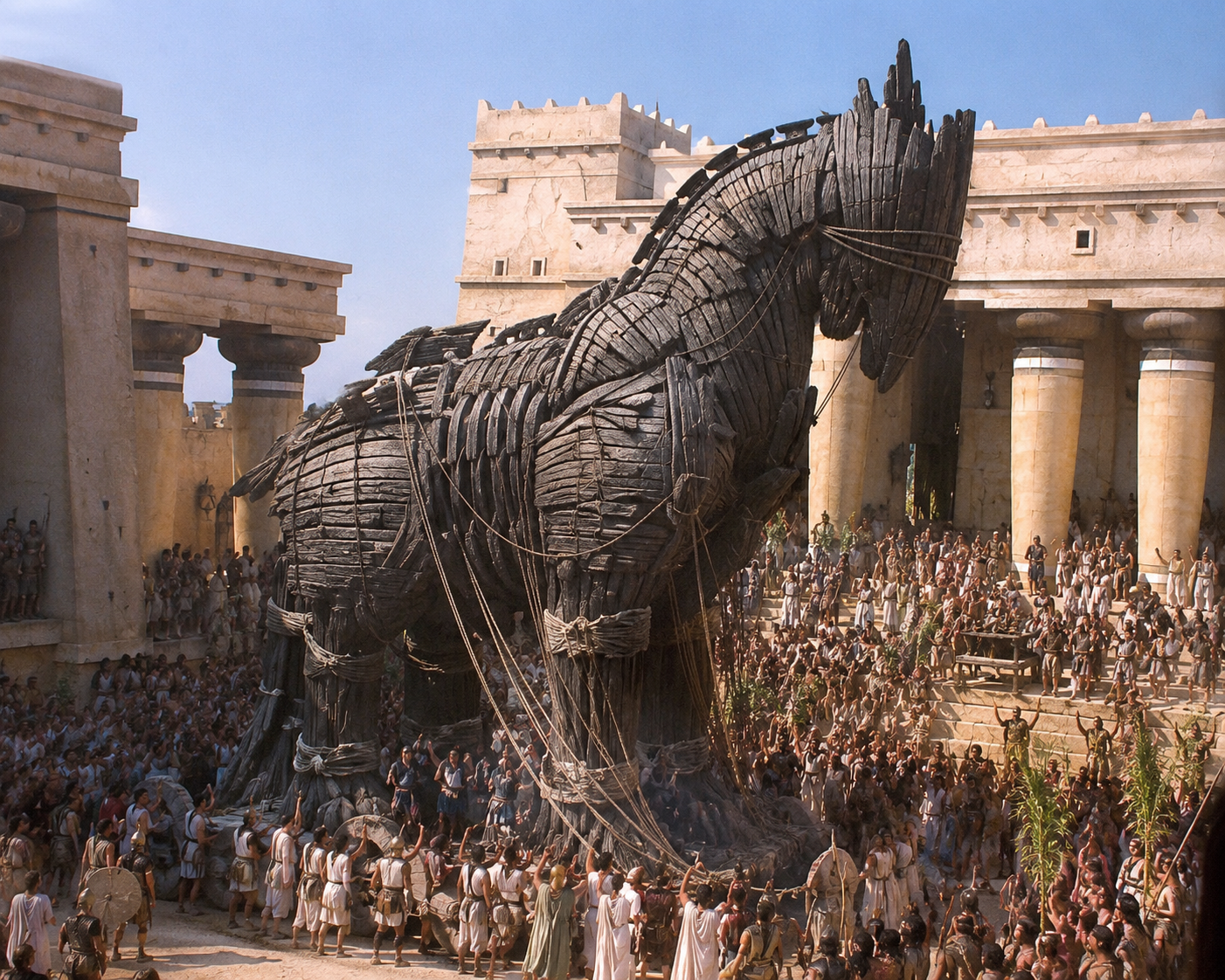
The story of Troy was written as a poem, but has perhaps unintentionally become a metaphor for how to conquer your fenced enemies through trickery. How to get inside the gates. Pretend to be defeated, offer a gift, be received, and then destroy. A method the Bible warns Satan would use. He would portray himself as an angel of light and his angels as workers of righteousness to gain access and destroy the church from within (2 Cor. 11:14-15). Did Satan use Rome as a Trojan horse to destroy the church of Christ?
(1). Suetonius, writing about Julius Caesar: "Encouraged by this, he added to the legions which he had received from the state others at his own cost, one actually composed of men of Transalpine Gaul and bearing a Gallic name too (for it was called Alauda), which he trained in the Roman tactics and equipped with Roman arms; and later on he gave every man of it citizenship."
PART FOUR: