


Article series: INTRODUCTION – WHO IS JEHOVAH? – WHO IS THE REAL ISRAEL – THE SCATTERING – THE GATHERING: ONE-FOLD – ONE ISRAEL : THE MODERN STATE OF ISRAEL NOT CHOSEN – DANIEL 9 AND THE PRE-TRIBULATION DECEPTION – JUDAISM ACE IS NOT A GODLY REPRESENTATION OF OT – THE BIRTH OF THE MODERN STATE OF ISRAEL – THE DIFFERENCE (between Biblical Israel taking of Canaan and modern Israel taking of Palestine) – What side should we take in the Palestinian and Israeli conflict?
The Jewish division in the first century
Around the time Jesus came to preach the law, two other great Jewish directions of faith were already taking shape.
Two great Jewish rabbis shaped this era: Shammai and Hillel, known today as Beit Shammai (Shammai’s house) and Beit Hillel (Hillel’s house). The two groups, following their teachings, disagreed on hundreds of points. Hillel died around the year 20 CE, after which Shammai became president.
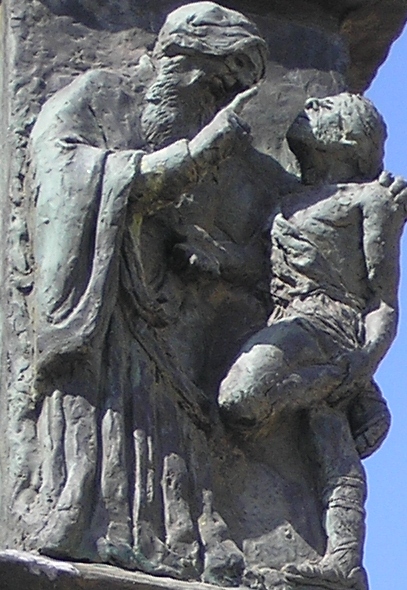
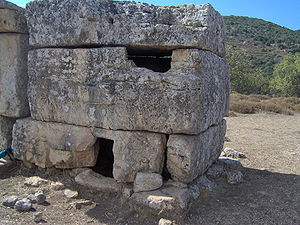
Hillel was the grandfather of Gamaliel, who is mentioned in the Bible and at whose school Paul studied (Acts 22:3). Shammai was a leading figure around the time the rabbis and scribes rejected Christ. Given the influence of these two great rabbis, it is clear that their teachings are what Christ debates in the Gospels. They also inaugurated a new era of Judaism. In particular, Shammai promoted the idea that there are two Torahs: one written in scripture (the Written Torah, referring to the texts of the Hebrew Bible), and one given verbally (the Oral Torah, understood as teachings and traditions passed down by word of mouth). The verbal Torah gave them the opportunity to add explanations and practices not found in the Bible and to present them as words from God.
Christ debated these groups, and the Jewish people had already reached a crossroads. Judaism would not remain as it had been in light of these divisions and new ideas. With the oral Torah, it could only go in two directions: the Judaism of Christ, or the divergent paths led by these rabbis.

According to the New Testament, Jesus is described as the oral Torah, the law that became flesh, the word of God made manifest. When Jesus explained the law and how to uphold it, He is presented as the oral Torah, teaching how the written Torah was to be practiced and lived out. The oral Torah introduced by the rabbis is thus described as a competing interpretation, claiming authority alongside Christ’s teachings.
In one sense, Christ was compelled to enter history at this precise moment because, had He not, the Jewish nation would have been led entirely in the direction of the false oral Torah. He was their last hope of keeping their religion free from fanaticism.
John wrote about Jesus: “He came unto his own, and his own received him not. But as many as received him, to them gave he power to become the sons of God, even to them that believe in his name: Which were born, not of blood, nor of the will of the flesh, nor of the will of man, but of God” (Joh 1:11-13).
Here it is stated that those who receive Christ and His teachings will be given the power to become the sons of God, while those who choose other teachers will be rejected as His children.
Jesus said: “And this is the condemnation, that light is come into the world, and men loved darkness rather than light because their deeds were evil” (Joh 3:19).
The Jews who rejected Christ continued a new form of Judaism inspired by rabbis rather than by Christ, accepting the oral Torah—which refers to transmitted traditions and interpretations, not recorded in written scripture—as their guide to God. These ideas and works are the foundation of Judaism as it exists today. Around 500 years after Christ, oral traditions on interpreting Scripture and God’s law were written down and compiled into the Talmud (a central text of Rabbinic Judaism). One version was written in Jerusalem (Talmud Yerushalmi) and the other in Babylon (Talmud Bavli). The Talmud consists of two main parts: the Mishna, a compilation of laws and teachings said to be the oral Torah given to Moses, and the Gemara, a commentary on the Mishna. The Mishna was compiled by rabbis who presented their traditional interpretations as divinely originated. The Judaism we know today, even among those who do not use this book directly, has, over many generations, been shaped and influenced by these interpretations of scripture. God’s enemy inspired the Talmud to widen the gap between Christianity and Judaism, creating a stumbling block hindering Jews from accepting Christ.
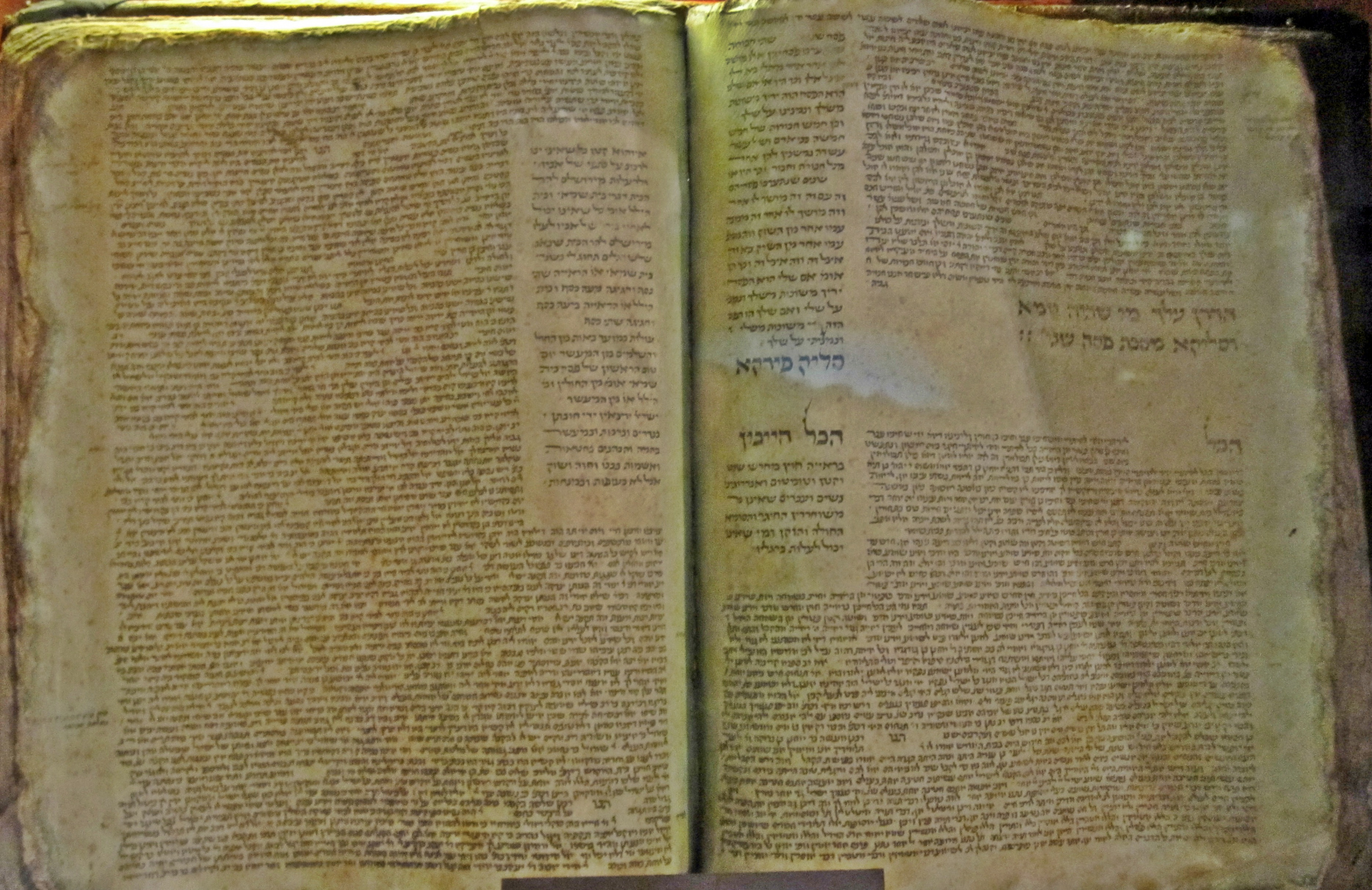
This Judaism was both a rejection of and an alternative to Christ’s rabbinical oral teaching, and therefore a rejection of His righteousness. Regarding these oral laws, Jesus said: “But in vain they do worship me, teaching for doctrines the commandments of men” (Mat 15:9).
Many problems, therefore, arise when Christians assume that modern Judaism harmonizes with Christ’s Judaism. Learning from a Jewish teacher today can mean absorbing the very doctrines Christ spoke against, replacing His righteousness with that of His contenders and killers, the Pharisees and Scribes. No Christian should exchange the righteousness of Christ for that of Hillel or Shammai. It is critical that Christians understand this before seeking to learn scripture from modern Jews.
The Gospels and letters of the New Testament are the oral understanding and explanation of God’s Old Testament and law, and the New Testament itself is the true counterpart to the written Jewish Talmud. Christ preached God’s law, and the law, the prophets, and Christ together represent the truth. All other New Testament writings either complement this or were written to resolve issues within the churches. No one after Christ can present new laws or do away with God’s laws. Only God has that authority, and He has declared that the law will not change.
The Hebrew language is not needed to understand the Bible. The spirit is.
It has become popular in our time, especially after the birth of the modern state of Israel, to say that Christians need to learn how to understand the Bible from Jews. This was God’s original plan: had they received Christ and His teachings, they would have been the center of learning for all nations, holding an elevated position of sharing and mediating God’s truth to the world.
Now, many Christians look to Jews and the state of Israel for scriptural learning, believing they maintain their God-given role as teachers. Yet, these teachings often contradict Christ’s, as they rely on traditions that rejected Him. This subtle confusion leads Christians away from the original truth Christ offered.
Multitudes are turning to rabbis and Hebrew teachers, attending Hebrew schools to gain a deeper understanding of scripture. Many Jews who have recently converted to Christianity uphold this view, claiming that after only months as Christians, they are better equipped to teach the Bible than even a lifelong believer. Upon conversion, they assert a Jewish superiority over other Christians regardless of the depth of their faith or the extent of their knowledge.
In one respect, it contains elements of truth; in another, it can lead to deception. Many modern Jewish converts are heavily influenced by the doctrines of the churches that converted them and mix these with traditional rabbinical thinking, making it difficult to understand the Old Testament correctly. They use their Jewish heritage as supposed proof of God’s approval of their doctrines, and few dare say anything against them. It becomes a way to whitewash false Christian doctrine through a Jewish voice.
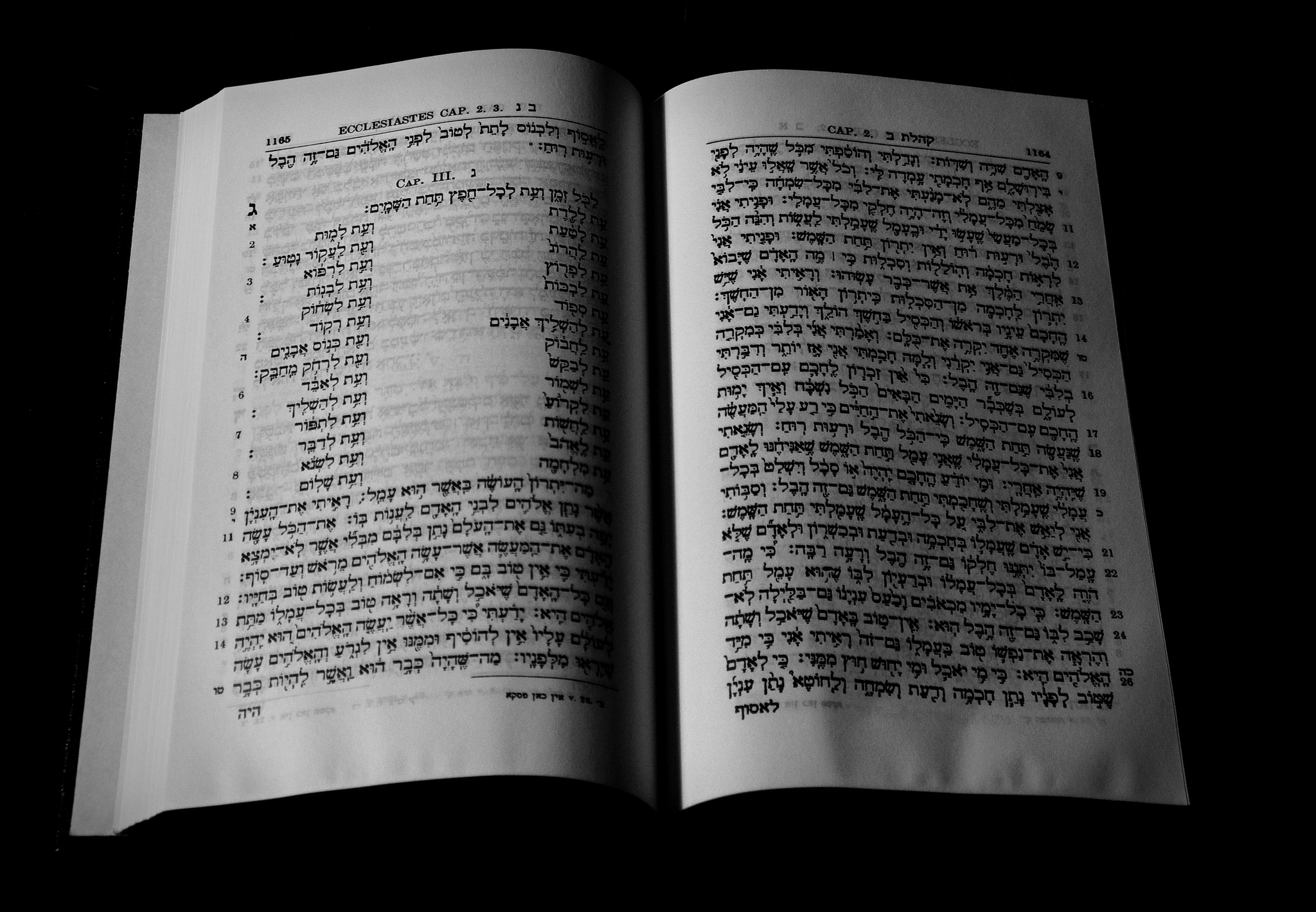
If reading Hebrew were the only requirement for understanding truth, then naturally all who speak Hebrew would share the same understanding. Yet they do not. Within Judaism and Hebrew messianic movements, the understanding of truth differs despite the ability to read the Bible in Hebrew. It is not the Hebrew language that reveals truth; it is the Holy Spirit. When man dismisses the Holy Spirit, human thoughts and ideas are added to God’s original meaning, distorting it regardless of the language. People have blind spots in every language, and our minds shut out what we do not wish to be true, no matter what tongue we speak.
Jesus revealed this when He spoke to the most learned Hebrew-speaking biblical scholars of His day and said to them: “Search the scriptures; for in them ye think ye have eternal life: and they are they which testify of me. And ye will not come to me, that ye might have life” (Joh 5:39-40).
They saw eternal life in the scriptures, but could not see the very condition for it: Christ. Still today, Jews memorize the scriptures and know them by heart, yet cannot see Christ in them. They do not understand what they read or what God truly wants. God does not want sacrifice, rituals, hypocrisy, or outward displays; He wants mercy (Matt. 9:13). As Jesus said: “Judge not according to the appearance, but judge righteous judgment” (Joh. 7:24).
All of Christ’s debates with the Pharisees and scribes concerned the interpretation of the Bible. Jesus most likely spoke both Aramaic and Hebrew. The Pharisees and scribes spent years studying the scriptures in their original languages, yet Jesus said they distorted them, misunderstood their meaning, and misinterpreted what God intended. Their error was so great that they could not see that the fulfillment of the law and the prophets was standing right before them. They were so wrong about God’s law that they viewed Christ, who was in perfect harmony with it, as a lawbreaker, while considering themselves, whom Christ said had broken it, as law-keepers.
“Jesus answered and said unto them, Ye do err, not knowing the scriptures, nor the power of God” (Mat 22:29).
Although they claimed to be true to Moses and the biblical teaching, Christ said the opposite about them: “And he said unto him, If they hear not Moses and the prophets, neither will they be persuaded, though one rose from the dead” (Luk 16:31).
They read Moses every day, and still do. Yet they do not understand what they read correctly because they have pushed away the interpreter, the Holy Spirit. Jesus warned His followers: “Take heed and beware of the leaven of the Pharisees and of the Sadducees” (Matt. 16:6). Here Christ explains that their interpretations are like leaven in bread: they spread and affect everything, even that which is good.
The Hebrew language, therefore, cannot bring someone to the truth; it is as weak a language as any other. Only the language of the Spirit can translate scriptures to the heart. Only an upright heart can see the truth when they read the words of truth.
Although the disciples had attended the synagogue and learned from the Jews for most of their lives, Christ had to unteach much of what they had absorbed and reteach them so they would understand things rightly.
“And beginning at Moses and all the prophets, he expounded unto them in all the scriptures the things concerning himself. …Then opened he their understanding, that they might understand the scriptures” (Luk 24:27 and 45).
The oral traditions of the rabbis were eventually written down. The word Talmud means “learning,” yet Christ was meant to be the true Talmud for understanding the law, rituals, and prophets. Jews who rejected Christ rejected His teaching and took up that of the Pharisees and scribes in its place.
Although not systematically followed by all Jews, the ideas behind much of the Talmud are now part of what constitutes modern Judaism and how they understand scripture, their rituals, and their history.
For Christians, going to Jews to learn how to understand the Old Testament is therefore highly problematic and can at best result in a deception that leads away from God’s intended meaning. Leaven is a small portion of dough representing error mixed into a greater dough representing truth. Rabbinical Judaism does have many good teachings, but its errors lead away from Christ’s righteousness.
Who would have predicted that Christ’s followers would one day sit at the feet of those who continue the ideas of the very ones Christ openly rebuked for being unlearned?
Yet it has happened because the birth of the modern state of Israel has led many to believe they are God’s chosen again and therefore must have the truth.
After Christ came, Judaism split into two groups. One followed the disciples who had learned to interpret the scriptures rightly according to God’s will; the other followed the Pharisees and scribes. Those chosen to uphold the truth were those who followed Christ’s interpretation. Thus, the Christian movement, while it remained undefiled, held the oral truth of the scriptures, while the Jews held a corrupted version and understanding. God’s plan to educate the world through Israel was fulfilled by the apostles who wrote the New Testament, the most widespread text in the world.
God continues to show His people that He does not reveal truth through a single language. During Pentecost, people from many nations were gathered in Jerusalem. When the Holy Spirit was poured out on the disciples, God revealed several important things.
The continuation of the blessings to Israel was only to be fulfilled upon the faithful. As prophesied: “And it shall come to pass afterward, that I will pour out my spirit upon all flesh; and your sons and your daughters shall prophesy, your old men shall dream dreams, your young men shall see visions: And also upon the servants and upon the handmaids in those days will I pour out my spirit” (Joe 2:28-29).
Peter confirmed that this was fulfilled and spoke of the Christian-Jewish movement. (Act 2:16)
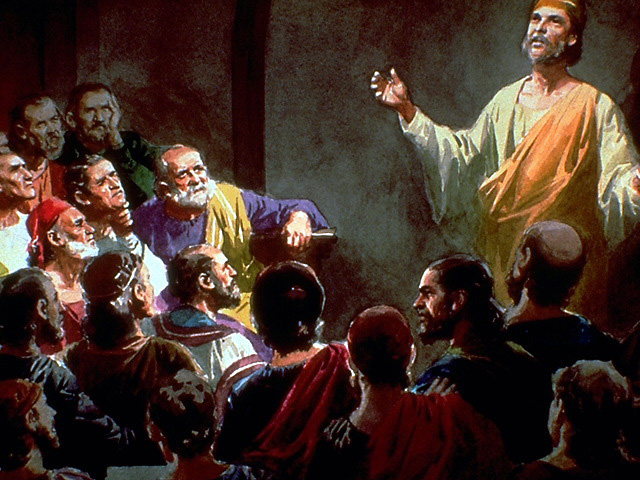
The second was that the Holy Spirit, instead of letting all those people understand Hebrew, revealed the truth in their own different languages: “And how hear we every man in our own tongue, wherein we were born? Parthians, and Medes, and Elamites, and the dwellers in Mesopotamia, and in Judaea, and Cappadocia, in Pontus, and Asia, Phrygia, and Pamphylia, in Egypt, and in the parts of Libya about Cyrene, and strangers of Rome, Jews and proselytes, Cretes and Arabians, we do hear them speak in our tongues the wonderful works of God” (Act 2:8-11).
Thus, the truth of God can be understood perfectly in any language as long as the Spirit interprets it. Likewise, as Christ showed, speaking Hebrew did not necessarily mean one could interpret scripture correctly. It was God who created the diversity of languages: “Go to, let us go down, and there confound their language, that they may not understand one another’s speech” (Gen 11:7). God is not revealed in just one language.
During Pentecost or the Feast of Weeks, God did the opposite of what He did in Babel and allowed anyone to understand the words spoken.
From all of this, we can understand that a Christian does not need to go to a Jew to rightly understand the Bible; in fact, doing so will often lead to confusion about its real meaning. They must go to God or to those who have continued the faith of the apostles. That does not include modern messianic Jews if they are inspired by a false Jewish understanding mixed with the theology of the apostate churches that evangelized them. Now that evangelicals have largely adopted the false Jewish understanding about the coming of the Messiah, many messianic Jews feel at home with these teachings, while in reality, they need to hear the truth. Some messianic believers do hold more truth than some Christian churches, but it is not a fixed rule that truth is always found with those who claim to be Jews by flesh. Nor is it a fixed rule that the moment a Jew converts, he becomes superior in teaching to every other Christian.
Right understanding is found where the line of faith has continued for generations, proven to have the spirit of prophecy and the blessings of God, along with respect for God’s law and Christ’s gospel, upheld as Christ directed.
The Book of Revelation describes God’s remnant of Israel in this way: “And the dragon was wroth with the woman, and went to make war with the remnant of her seed, which keep the commandments of God, and have the testimony of Jesus Christ” (Rev 12:17).
This woman represents the true Israel of God, scattered and forced to flee in hiding, persecuted. The story of the church is told in multiple ways throughout Revelation, depicting trials and deliverance that have brought the assembly into close relation with Christ. Through these experiences, God’s people have been sanctified and disciplined, just as Jacob; they are walking with a limp, symbolically speaking. They understand God better than many who have moved from erroneous Jewish understanding to charismatic Christian views without being able to properly distinguish error from truth. God has always had a people representing Him, a kingdom of priests.
Christians who have misunderstood scriptures resemble in many ways the understanding and teachings of those Jews who have misunderstood, which makes it fairly easy to go from one error to the other.
If the true group of God’s people, through whom God has worked by Spirit and prophets, is ignored, important corrections to misunderstandings are not made. Warnings that false teachings have entered the churches are not heeded. Who the end-time adversaries are is not understood.
Many Christians seek truth from messianic Jews who are not yet mature enough in Christ to lead the way. They do not yet have the experience and background to lead. Yet they are chosen as guides solely because of their ancestral heritage. There are exceptions, of course, and God calls out leaders wherever He pleases according to His own judgment. God’s men are also found among the messianic community.
Unconverted Jews do not represent Moses and the prophets.
Modern Judaism, even in its most dominant form at the time of Christ, misunderstands Moses and Abraham and even their own ancestors. Jesus clarified that Moses and Abraham were more like Him and loved who He was and is. They knew each other: “Your father Abraham rejoiced to see my day, and he saw it, and was glad. Then said the Jews unto him, Thou art not yet fifty years old, and hast thou seen Abraham? Jesus said unto them, Verily, verily, I say unto you, Before Abraham was, I am” (Joh 8:56-58).
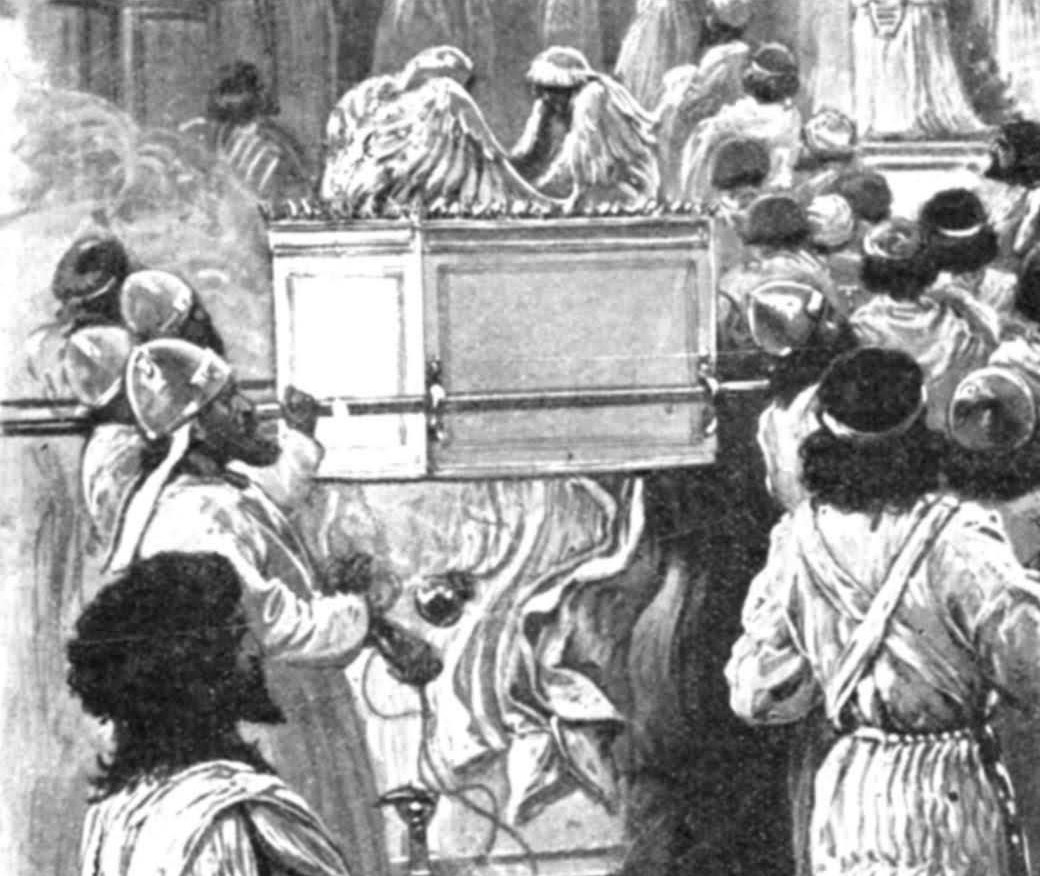
Many Jews thought they were like Abraham or followed in his footsteps just because they were descendants of him and had words describing his life and relationship with God in their hands. But Jesus told them that one thing does not necessarily mean the other: “They answered and said unto him, Abraham is our father. Jesus saith unto them, If ye were Abraham’s children, ye would do the works of Abraham” (Joh 8:39).
When Jesus was on the Mount of Transfiguration, both Elijah and Moses came to encourage Him (Matt. 17:3). Jesus said: “For had ye believed Moses, ye would have believed me: for he wrote of me” (Joh 5:46).
From all of this, we can see that Moses and the forefathers were closer in practice and understanding to what Christ represented than the Jews of His day. Since Christ’s time, Jews have rejected the Spirit speaking the truth and have had over two thousand years to solidify and deepen their misunderstandings, leaving them in as poor a spiritual state now as then, if not worse.
By rejecting Christ’s interpretation of the Old Testament, they can no longer correctly teach how to understand its scriptures and are no longer qualified to teach the law. They will present a Moses, an Abraham, a David, an Elijah, and an Elisha who differ from who those men actually were, for those men had Christ’s righteousness, the very righteousness the Jews reject. They will also teach people that they are Jews in the same sense as themselves, which is a lie. Many who were faithful to God, like the Old Testament prophets, were killed by their own people. Isaiah was sawn in two; Jeremiah was put in stocks; Zechariah was killed at the altar.
Jesus said to them: “Woe unto you, scribes and Pharisees, hypocrites! because ye build the tombs of the prophets and garnish the sepulchres of the righteous, And say, If we had been in the days of our fathers, we would not have been partakers with them in the blood of the prophets. Wherefore ye be witnesses unto yourselves, that ye are the children of them which killed the prophets. Fill ye up then the measure of your fathers. Ye serpents, ye generation of vipers, how can ye escape the damnation of hell? Wherefore, behold, I send unto you prophets, and wise men, and scribes: and some of them ye shall kill and crucify; and some of them shall ye scourge in your synagogues, and persecute them from city to city: That upon you may come all the righteous blood shed upon the earth, from the blood of righteous Abel unto the blood of Zacharias son of Barachias, whom ye slew between the temple and the altar. Verily I say unto you, All these things shall come upon this generation” (Mat 23:29-36).
Through this, Jesus shows how they ended up so far from the truth despite having the scriptures to guide them. It had always been a pattern: one faction misinterpreted God to their own damnation while trying to silence those who spoke the truth. Even Moses was nearly stoned by them in his day.
If those who saw and interacted with Moses firsthand, who witnessed the sea part before them and heard God’s voice speak the law, a far greater manifestation than merely reading about it, were still able to reject the truth, it is all the more possible for Jews to do so in Christ’s day and in ours.
Had Jesus come among them today, He might have been stoned within the first month, let alone after three and a half years. That is, unless someone were imitating Christ and speaking what they wanted to hear, in which case they would receive him, as Christ said: “I am come in my Father’s name, and ye receive me not: if another shall come in his own name, him ye will receive” (Joh 5:43).
Satan will even send people who claim to be the anointed one and the Messiah. Satan knows they will receive a false Christ if he is pleasing to them: “And Jesus answering them began to say, Take heed lest any man deceive you: For many shall come in my name, saying, I am Christ; and shall deceive many” (Mar 13:5-6).
This is precisely what happened to the Jewish congregation when they received a false messiah, which ultimately led to the rebellion against Rome and the destruction of Jerusalem and the temple. They would have received Christ had He rebelled and promised to free them from Rome. But Christ said He came to free them from their sins, and thus He was rejected. He did not flatter them or elevate the false teachers but called them out on their fanaticism and bad behavior. Rather than admiring their studies and degrees, He rebuked them. Yet when someone came who flattered them, favored and supported their errors, and claimed God wanted them to be delivered from Rome and would go with them in their rebellion, they received him gladly. We see this, for instance, in the Bar Kochba Rebellion.
The Jewish sanctuary and feasts
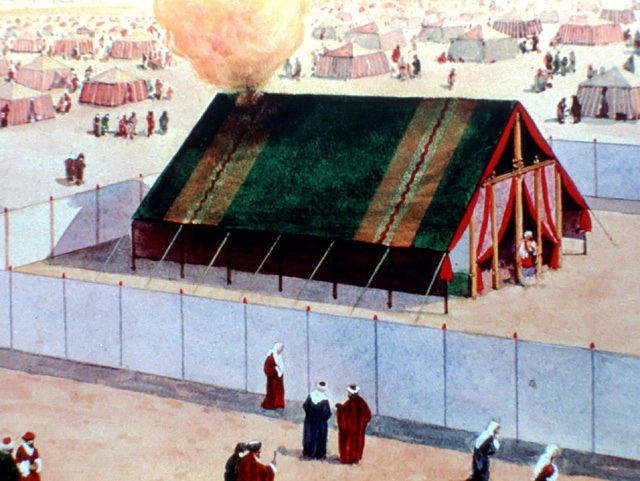
God took from the Jews the sanctuary and with it the feasts that could only be fulfilled with a sanctuary. In doing so, God did not merely take away the priestly service; the feasts were no longer theirs, though they would hold on to them anyway. The Jews had done the same at the border of the promised land: when God told them to take the land, they refused, and when God told them to return to the wilderness, they did the opposite and tried to conquer the land without His blessing. Likewise, when Israel gained its independence, it would not keep God’s feasts and sabbath and instead followed the practices of the surrounding pagans. When they rejected Christ, they continued to keep the feasts and sabbath as if they had done nothing wrong. This is Satan’s constant tactic for keeping people in rebellion. When the Christians were faithful, he persecuted them; when they became apostates, he needed them to keep their biblical traditions so they could confuse the truth. He employed the same strategy with the Jews. First, he wanted them to rebel against God. But when they crucified their King, Satan wanted them to appear pious and to seemingly harmonize with God’s standard. What Satan fears is when we obey God and practice His truth together. As long as a lethal lie remains in a religion, he lets us keep the religion, for it cannot save us and will only confuse everyone else. Satan either wants us to reject God outright or to misrepresent Him and cause confusion. Either way, the result is the same to him.
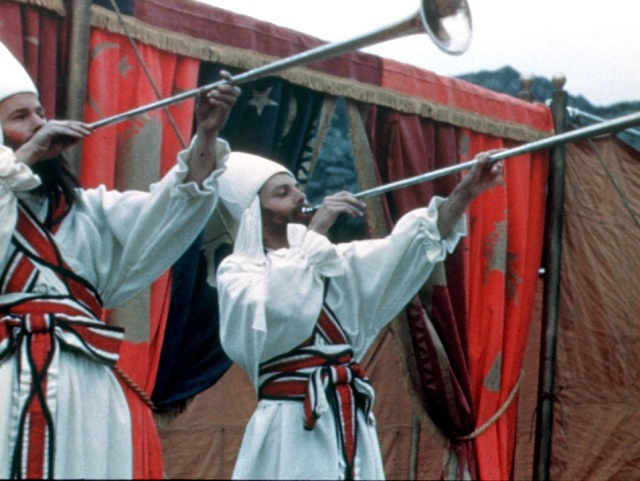
The biblical command was for Israel to assemble three times a year at the Tabernacle during the appointed feasts.
“Three times thou shalt keep a feast unto me in the year. Thou shalt keep the feast of unleavened bread: (thou shalt eat unleavened bread seven days, as I commanded thee, in the time appointed of the month Abib; for in it thou camest out from Egypt: and none shall appear before me empty:) And the feast of harvest, the firstfruits of thy labours, which thou hast sown in the field: and the feast of ingathering, which is in the end of the year, when thou hast gathered in thy labours out of the field. Three times in the year all thy males shall appear before the Lord GOD” (Exo 23:14-17).
Among the requirements to keep these feasts was to appear before the tabernacle with its appointed sacrifices, as well as a tithe from the harvest. To keep them, there must be a tabernacle, and there must be a sacrifice. After the Jews lost the temple, God therefore also removed from them the blessings of the feasts. They can no longer meet the requirements God has set for keeping them. Because these holy times were God’s assembly, it also meant God was no longer gathering them to Himself.
The second requirement is that the tithe go to His house; His house, after Christ, is Christ Himself. He is “the temple,” and His people are both the “temple” and “the priests”.
“Jesus answered and said unto them, Destroy this temple, and in three days I will raise it up. Then said the Jews, Forty and six years was this temple in building, and wilt thou rear it up in three days? But he spake of the temple of his body” (Joh 2:19).
About Christ’s followers, it is said that He “hath made us kings and priests unto God and his Father” (Rev 1:6).
This means the tithe is to go to Christ, the high priest, and His workers, as they are the new priests.
After Christ died, there were to be no more animal sacrifices; none would be accepted. “And he shall confirm the covenant with many for one week: and in the midst of the week he shall cause the sacrifice and the oblation to cease” (Dan 9:27).
Therefore, the only way to keep the feasts after Christ’s death is through His sacrifice.
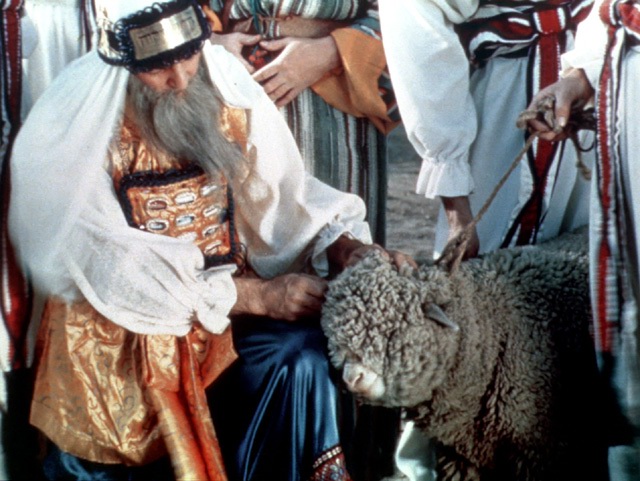
It is therefore impossible to keep the feasts or receive their blessings without approaching the heavenly sanctuary. Without Christ’s sacrifice at the center of the feasts, there is no true feast-keeping.
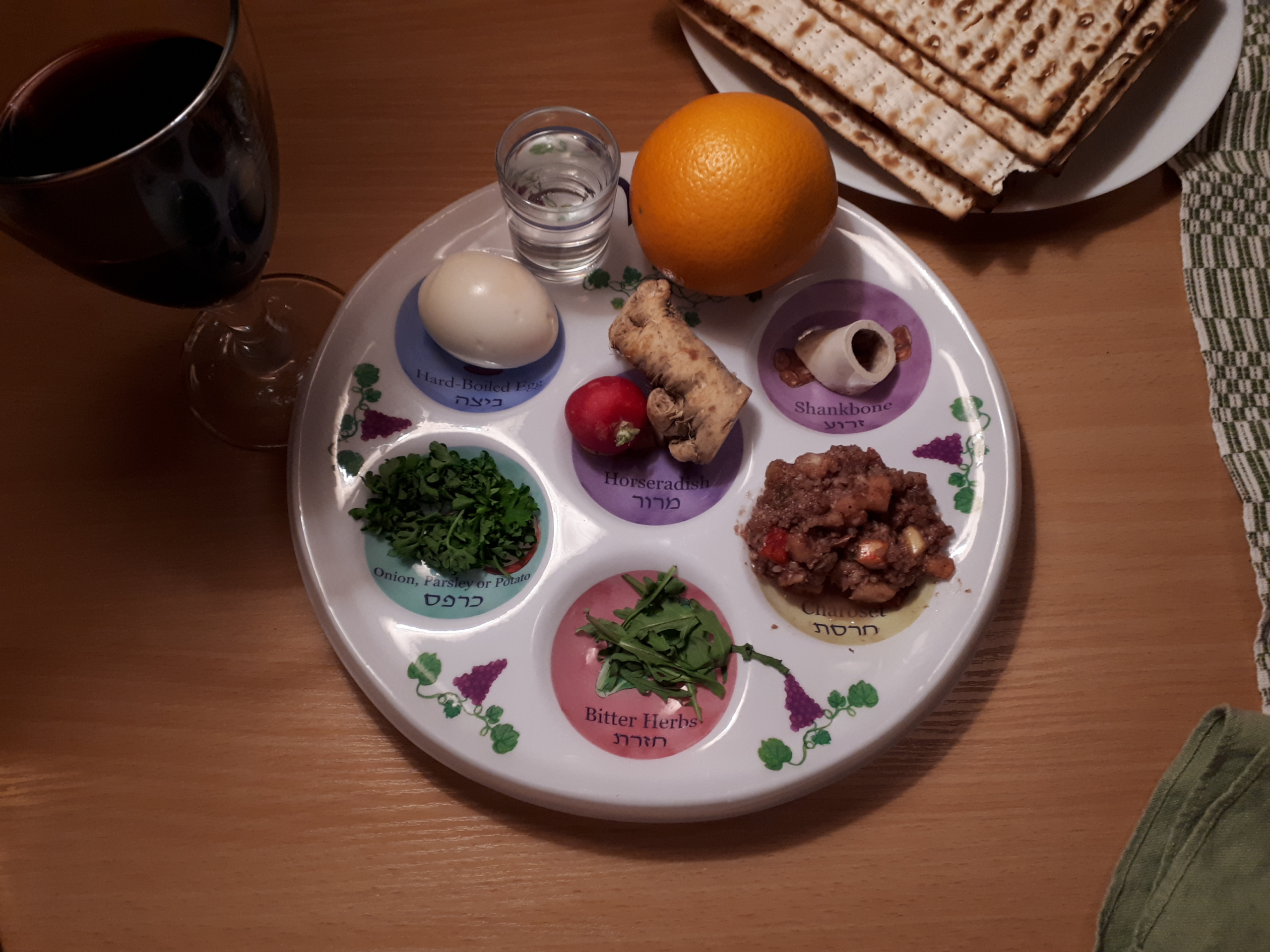
Because Christ made the other sacrifices to cease, the now-kept Jewish Passover is in violation of the order of Christ if it is replaced with a sacrificial lamb.
The Passover was a prophetic feast pointing to Christ’s coming, death, and resurrection. The Passover lamb symbolizes Christ. Egypt symbolized the kingdom of death, and leaving it symbolized life in Christ. All of Israel had to put the blood of the lamb on their doorposts to be spared from the coming judgment.
This symbolizes that those of Israel, who have not accepted Christ’s blood for their sake, are under God’s judgment. Their feast is illegal, for it is not kept after God’s order.
Every year, Jews continue to prick their unleavened bread with a fork. This has now become a symbol of their continued rejection and crucifixion of Christ: “And they shall look upon me whom they have pierced, and they shall mourn for him, as one mourneth for his only son, and shall be in bitterness for him, as one that is in bitterness for his firstborn.” (Zec. 12:10)
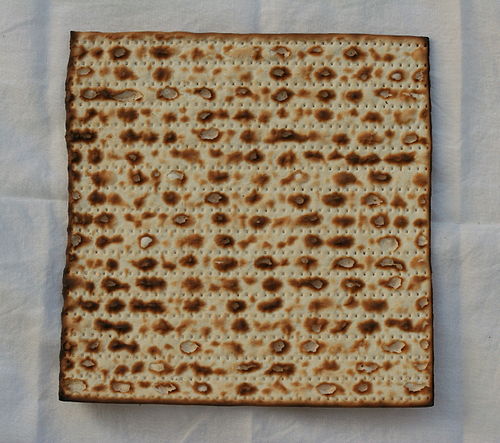
Each serving is eaten in rejection, each hole a repetition of those made on Christ’s afflicted body: the nail marks on His hands and feet, the wounds from the crown of thorns, and the hole in His side where blood and water came out. Every time they eat the pierced unleavened bread, rejecting Christ as the One the symbol points to, they uphold their resistance.
Their sacrifices are illegal.
The Jews have successfully, after scattering God’s people, given the world the illusion that the Passover is theirs, that it is Jewish only and unconnected to Christ. The truth is that Passover belongs to Christ. It is His feast. He is the high priest, the lamb, and the sanctuary. He is the temple to whom we gather. Without Christ, the Passover is a lie and the breaking of the law.
All the feasts given to Israel belong to Christ. They are a testimony of His sacrifice and priestly service and represent the plan of salvation laid out. When the Jews rejected Christ, they stole these feasts from the One they were all about and, by doing so, misrepresented God and His laws. The feasts were meant to follow the remnant of Israel, Christ’s followers, as they followed Christ into the sanctuary in heaven. Rather than bearing witness to the world through Christ, the Jews deceive the world by claiming the traditions are theirs and that Christians are not permitted to take part because Christ has no part in them. Christians are fooled into believing these lies and end up rejecting God’s celebration of Christ’s priesthood, believing it has nothing to do with Christ and belongs only to Jews.
The Jews did this very early on, so early on that Paul had to address the deception.
In Colossians, he addresses how those who are not circumcised have been told they cannot take part in the sabbaths and moon days, and they have been told they cannot eat or touch what the Jews claim are holy and only for them. Paul then argues that they are indeed holy through Christ, that His death for them and the cleansing of their sins are a greater “cleanse” than circumcision can be. That one is superior to the other, and by the circumcision of the heart through Christ, they are allowed to take part in what is actually about Christ in the first place. “And you, being dead in your sins and the uncircumcision of your flesh, hath he quickened together with him, having forgiven you all trespasses; … Let no man, therefore, judge you in meat, or in drink, or in respect of an holyday, or of the new moon, or of the sabbath days: Which are a shadow of things to come; but the body is of Christ” (Col 2:13, 16-17) .
These verses have often been twisted and used as an excuse for Christians to abandon these same things, including the Sabbath. However, the meaning becomes clear because Paul first speaks about circumcision, and we know Jews would not let anyone take part in their worship and Passover if they were not circumcised. The only reason Paul would reassure them that they were good enough was to encourage them to take part in the feasts, the sabbaths, and even the feast meals as equals through Christ. The argument is that these things are a “shadow of things to come” and that all of it “is of Christ”: His body, His sacrifice, His priestly service, and His first and second coming. The greater qualifier is therefore taking part in Christ, not circumcision, which says little about where the heart truly is.
Circumcision was once an important symbol of giving one’s body and heart to God in obedience. But when they maintained it while rebelling against God, the symbol no longer functioned as a qualifier.
“For circumcision verily profiteth, if thou keep the law: but if thou be a breaker of the law, thy circumcision is made uncircumcision. Therefore if the uncircumcision keep the righteousness of the law, shall not his uncircumcision be counted for circumcision? And shall not uncircumcision which is by nature, if it fulfil the law, judge thee, who by the letter and circumcision dost transgress the law? For he is not a Jew, which is one outwardly; neither is that circumcision, which is outward in the flesh: But he is a Jew, which is one inwardly; and circumcision is that of the heart, in the spirit, and not in the letter; whose praise is not of men, but of God” (Rom 2:25-29).
The famous verses of Paul that many Christians claim mean they no longer have to keep God’s law, feasts, and sabbath are actually Paul saying they are qualified to keep them, even more so than the circumcised.
The newly converted pagan Christians were discriminated against to such a degree that they misunderstood what belonged to Christ and returned to pagan feasts and traditions, even Christianizing them in order to win pagans over. Paul warned them strongly against thinking they had no part in God’s culture because they were not of Jewish heritage. These ideas had been planted by Jews who rejected Christ, attempting to separate the prophecies pointing to Christ from Christ Himself, and converted Jews upheld these errors even after becoming Christians.
Paul tried hard to hold together what the others tried to pull apart: “For ye are all the children of God by faith in Christ Jesus. For as many of you as have been baptized into Christ have put on Christ. There is neither Jew nor Greek, there is neither bond nor free, there is neither male nor female: for ye are all one in Christ Jesus. And if ye be Christ’s, then are ye Abraham’s seed, and heirs according to the promise” (Gal 3:26-29).
He argues that they, too, although uncircumcised and of pagan origin, are now through Christ Abraham’s seed. They are grafted in and part of Israel, and therefore the promises are theirs, not the Jews’ alone. Unfortunately, the rejection by the Jews led newly converted pagans to think they had to continue in their pagan culture and keep culture separate from faith. Paul warns them against such folly:
“Howbeit then, when ye knew not God, ye did service unto them which by nature are no gods. But now, after that ye have known God, or rather are known of God, how turn ye again to the weak and beggarly elements, whereunto ye desire again to be in bondage? Ye observe days, and months, and times, and years. I am afraid of you, lest I have bestowed upon you labor in vain” ( Gal 4:8 -11).
Through the false gospel, this has been turned around to give the opposite meaning. Christians now use this as evidence that they are not to observe the sabbath and feasts ordained by God. But Paul is clear: he speaks about the feasts and seasons they kept when they knew not God and while they followed those who are no gods, and warns that by returning to the traditions of the pagans, they return to bondage.
They can be the promised seed, part of the culture of God, yet are driven away by Jews of the flesh from taking part, told they cannot participate, and therefore return to their pagan culture. This happened because God-given culture was separated from faith. In this way, Jews could monopolize their culture without Christ, and pagans could keep their culture with Christ. Both are a deception. Paul warned against separating God’s culture from Christ.
The pagans were to be grafted in and become part of Israel. The new branches, converted pagans, took their place, while the unfaithful Jews of the flesh were rejected. “Well, because of unbelief they were broken off, and thou standest by faith. Be not highminded, but fear” (Rom 11:20).
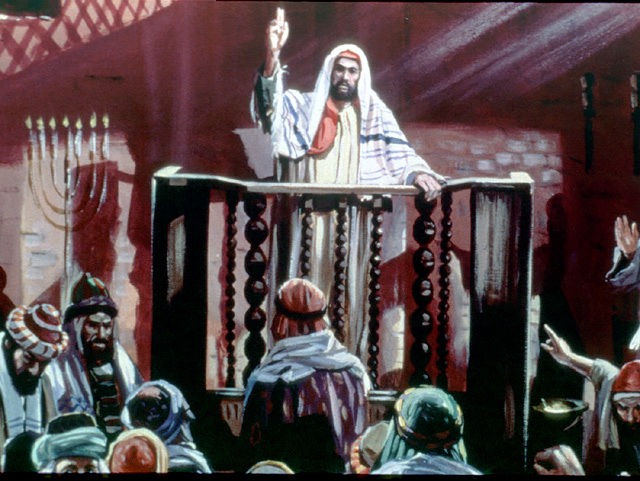
The feasts were given by God as a witness of Christ to His faithful. The feasts and the sabbath can only be kept through Christ. Jews who continue these traditions while rejecting Christ are not only keeping an empty shell of religious practice, but they are also bearing false witness. They prevent Christians from taking part in Christ’s culture by fooling them into believing that these things belong to Jews of the flesh rather than Jews of faith, which can include both Gentiles and Jews. On Passover, only those who cover themselves in Christ’s blood are blessed. On the Feast of Weeks, only those who cover themselves in Christ’s blood are gifted the Spirit. On the Feast of Trumpets, only those who cover themselves in Christ’s blood are warned and given time to prepare for the coming judgment. On Yom Kippur, only those who cover themselves in Christ’s blood are represented by the High Priest. On the Feast of Tabernacles, only those who have covered themselves in Christ’s blood will be harvested by Christ to the new Jerusalem. There is no blessing in any of the Jewish feasts without Christ. The blessings of the feasts follow Christ’s followers, who are the ones who can rightly explain and keep them. Unfortunately, because the Jews scattered the faithful from Jerusalem and claimed the feasts were desecrated by those who believed in Christ, they succeeded both in getting Christians to reject God’s culture and in making themselves appear as its guardians still.
The feasts were meant to prophesy the plan of salvation and Christ’s priestly service, and He gave them to Israel to safeguard the truth spoken through symbolic language. “Now of the things which we have spoken this is the sum: We have such an high priest, who is set on the right hand of the throne of the Majesty in the heavens; A minister of the sanctuary, and of the true tabernacle, which the Lord pitched, and not man. For every high priest is ordained to offer gifts and sacrifices: wherefore it is of necessity that this man have somewhat also to offer. For if he were on earth, he should not be a priest, seeing that there are priests that offer gifts according to the law: Who serve unto the example and shadow of heavenly things, as Moses was admonished of God when he was about to make the tabernacle: for, See, saith he, that thou make all things according to the pattern shewed to thee in the mount” (Heb 8:1-5)
To rightly keep the feast now, the believer cannot go to Jerusalem. As Jesus said: “Jesus saith unto her, Woman, believe me, the hour cometh, when ye shall neither in this mountain, nor yet at Jerusalem, worship the Father” (Joh 4:21).
Rather, to keep it, we have to turn our hearts to the sanctuary in heaven.
God gave the Jews the feasts that Yehovah called “my feasts,” so they could minister God’s truth and the gospel to the world. They chose to refuse, and they stole the foundation God had built to share the gospel and claimed it had no part in Christ. They stole from Christ what belonged to Christ. When they did this, they robbed the temple of God and placed themselves under condemnation. And because they did this and confused the followers of Christ, the truth about Christ’s mission as a sacrifice and priest is lost to most Christians and even the world.
It is true that God told Israel in Egypt to keep the feasts throughout all generations. However, God directed this command to them as a chosen people. The moment they left God, they were no longer chosen or His children. As Jesus said, they were not Abraham’s sons unless they did as Abraham did. It was God’s faithful remnant that was to keep the feasts in all generations, not the unfaithful. When the kingdom of priests was transferred from Israel by the flesh to the followers of Christ, they were to inherit together with Christ the task of safeguarding God’s culture and representing its meaning: to explain the Exodus, Moses, the sanctuary, and the rituals. All of these became the calling of the followers of Christ, to guard and explain the law and even the feasts.
When the Jews by flesh rejected Christ, they could no longer do this.
Although God told them to keep them in all generations, this was not to be if they were unfaithful. The feasts were taken from them when they were unfaithful. When they were disobedient during the 40 years in the wilderness, they were not permitted to keep them together in the face of their opposition.
“Hear, O heavens, and give ear, O earth: for the LORD hath spoken, I have nourished and brought up children, and they have rebelled against me. The ox knoweth his owner, and the ass his master’s crib: but Israel doth not know, my people doth not consider. Ah sinful nation, a people laden with iniquity, a seed of evildoers, children that are corrupters: they have forsaken the LORD, they have provoked the Holy One of Israel unto anger, they are gone away backward …When ye come to appear before me, who hath required this at your hand, to tread my courts? Bring no more vain oblations; incense is an abomination unto me; the new moons and sabbaths, the calling of assemblies, I cannot away with; it is iniquity, even the solemn meeting. Your new moons and your appointed feasts my soul hateth: they are a trouble unto me; I am weary to bear them. And when ye spread forth your hands, I will hide mine eyes from you: yea, when ye make many prayers, I will not hear: your hands are full of blood” ( Isa 1:2-4 & 12 -15).
So those Jewish hands full of blood ought not to keep it. Remember what they said: “When Pilate saw that he could prevail nothing, but that rather a tumult was made, he took water, and washed his hands before the multitude, saying, I am innocent of the blood of this just person: see ye to it. Then answered all the people, and said, His blood be on us, and on our children” (Mat 27:24-25)
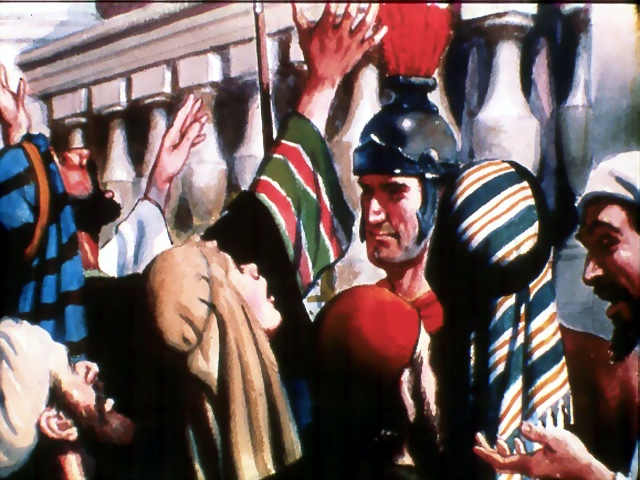
Not just Not just Christ’s blood is put on them, but Christ also said: “That upon you may come all the righteous blood shed upon the earth, from the blood of righteous Abel unto the blood of Zacharias son of Barachias, whom ye slew between the temple and the altar. Verily I say unto you, All these things shall come upon this generation” (Mat 23:35-36).
The Jews reject Christ, and of their feasts God says, “My soul hateth.” So the Jews have since Christ’s day discouraged the true heirs of God’s promises from keeping them, while insisting on keeping them themselves with blood on their hands.
God does not say they should keep the feasts as a holy law regardless of what they do. Rather, He says it is in vain and a provocation when it is done in rebellion. Rejecting Christ was a rebellion against God, and thus their feasts and sabbath observance became an abomination.
Of the lost tribes of Israel, who were the first to rebel against God and who were never allowed back into the land after the Babylonian captivity, the following is said: “I will also cause all her mirth to cease, her feast days, her new moons, and her sabbaths, and all her solemn feasts” (Hos 2:11).
It did not matter that they were descendants of Jacob; infidelity and holiness do not mix. What God said in Egypt no longer applied to them.
God addressed this once again to the prophet Haggai. He said: “Thus saith the LORD of hosts; Ask now the priests concerning the law, saying, If one bear holy flesh in the skirt of his garment, and with his skirt do touch bread, or pottage, or wine, or oil, or any meat, shall it be holy? And the priests answered and said, No. Then said Haggai, If one that is unclean by a dead body touch any of these, shall it be unclean? And the priests answered and said, It shall be unclean. Then answered Haggai, and said, So is this people, and so is this nation before me, saith the LORD; and so is every work of their hands; and that which they offer there is unclean” (Hag 2:11-14).
Keeping God’s holy feasts and sabbaths does not make the Jews holy. Holiness does not transfer; uncleanness does. So when a rebellious Jew keeps God’s holy times, he defiles his observance rather than the observance sanctifying him.
God had said: “Moreover also I gave them my sabbaths, to be a sign between me and them, that they might know that I am the LORD that sanctify them. And hallow my sabbaths; and they shall be a sign between me and you, that ye may know that I am the LORD your God” (Eze 20:12 & 20:20).
This does not mean that someone becomes holy by keeping the Sabbath. The holiness of the sabbath is a seal upon a faithful heart, but the sabbath itself cannot make anyone holy. The Sabbath is a sign of obedience and of taking God’s commands seriously. But it is the Lord who sanctifies, not the sabbath. When the sabbath is kept while the heart is in defiance, it becomes desecrated, and those keeping it do not become holy.
The point is further explained in Ezekiel when God says: “Notwithstanding the children rebelled against me: they walked not in my statutes, neither kept my judgments to do them, which if a man do, he shall even live in them; they polluted my sabbaths: then I said, I would pour out my fury upon them, to accomplish my anger against them in the wilderness” (Eze 20:21).
God’s sabbath became polluted. It was not just plain broken.
God explains: “Moreover this they have done unto me: they have defiled my sanctuary in the same day, and have profaned my sabbaths. For when they had slain their children to their idols, then they came the same day into my sanctuary to profane it; and, lo, thus have they done in the midst of mine house” (Eze 23:38-39).
So they came to God’s house on the sabbath, as required, yet they were ungodly and did evil, and thus their behavior polluted both God’s sanctuary and the Sabbath. This is the crime of Jews today as well. They blaspheme God and Christ while claiming to honor God. “Will ye steal, murder, and commit adultery, and swear falsely, and burn incense unto Baal, and walk after other gods whom ye know not; And come and stand before me in this house, which is called by my name, and say, We are delivered to do all these abominations? Is this house, which is called by my name, become a den of robbers in your eyes? Behold, even I have seen it, saith the LORD” ( Jer 7:9-11).
The great delusion a Jew can have is to think they can reject Christ, the prophet and Messiah, their Lord and their redemption, spit on and mock Him, yet still come and tread God’s courts and sabbaths without profaning them.
Is it possible for a Jew to keep the sabbath without Christ?
The Bible is clear: it was Christ’s breath that gave life to the first man, Adam. He was the beginning of creation, the One by whom the world was made. It was Christ who worked and rested on the sabbath. Refusing to acknowledge their life-giver and lawgiver is doing the opposite of what the sabbath commandment requires, for it calls us to acknowledge Him who created man by resting as a memorial of His work. Before they knew that this commandment spoke of Christ, they could keep it in the name of Yehovah and honor Christ before His incarnation. But after Christ came and revealed Himself to them, they would desecrate the sabbath unless they received Him and gave Him glory, as “the Son of man is Lord also of the sabbath” (Mar 2:28).
“If I had not come and spoken unto them, they had not had sin: but now they have no cloke for their sin” (Joh 15:22).
It is Christ who sanctifies. As written in Ezekiel, “Moreover also I gave them my sabbaths, to be a sign between me and them, that they might know that I am the LORD that sanctify them.”
I am YEHOVAH, that sanctifies them. Jesus is Yehovah, and He can only sanctify those who come to Him, and thus the sabbath blessing can only be given through sabbath observance in Christ, not outside of Christ.
The sabbath observance of the Jews who reject Christ is therefore not sanctifying them. Rather, it is kept in rebellion and not in obedience. The rightful guardians of the sabbath are, therefore, as with the feasts, the followers of Christ. The faithful Jewish remnant grafted together with the pagan converts to God’s culture and atonement.
The Jews are desecrating and misrepresenting God’s feasts and sabbath, portraying them as the exclusive right of those who reject Christ and accept their interpretation of these holy times as a symbol of Jewish excellence as God’s chosen kingdom of priests, rather than as belonging to Christ. It is an antichrist religion. It takes from the heir and gives it to the “husbandmen”: “But last of all he sent unto them his son, saying, They will reverence my son. But when the husbandmen saw the son, they said among themselves, This is the heir; come, let us kill him, and let us seize on his inheritance. And they caught him, and cast him out of the vineyard, and slew him. When the lord therefore of the vineyard cometh, what will he do unto those husbandmen? They say unto him, He will miserably destroy those wicked men, and will let out his vineyard unto other husbandmen, which shall render him the fruits in their seasons.” (Mat 21:37-41)
Because of all of this, the Jewish by flesh is not the chosen advocate for God’s times. “Behold upon the mountains the feet of him that bringeth good tidings, that publisheth peace! O Judah, keep thy solemn feasts, perform thy vows: for the wicked shall no more pass through thee; he is utterly cut off” (Nah 1:15).
Only through Christ is there peace; the wicked are cut off, and the good tidings and the gospel come with Him. Those who bear this message shall keep the solemn feasts and perform the vows.
The Sabbath and feasts belong to Christ.
Christ did not treat the feasts as if they belonged to those Jews who rejected Him. He treated them as His own and as belonging to those who followed Him. Jesus died on Passover day and rose on the Feast of Firstfruits. He asked His disciples to wait and prepare for the Feast of Weeks, and on that day, Shavuot, He poured out the Holy Spirit as promised, on His holy day. He claimed the feasts for Himself and His followers.
Christ fulfilled the symbols of the law, told His people to keep them, and blessed them on the same day. Those Jews who kept the feast without Christ were not blessed that day; only those who did so in Christ were. Christ then went to the sanctuary in heaven to minister on behalf of His people on earth.
There, He will perform the work the high priest did on Yom Kippur. On the Feast of Trumpets, the feast prophesying His return, He will gather the fruit of His work: His people. Christ shows no inclination that these feasts and times belong to “the Jews” or to the past. He fulfills them and continues to do so because it is His gathering and His temple’s. Those who steal these things from Christ are the unfaithful “husbandmen.”
To His followers, He said: “But pray ye that your flight be not in the winter, neither on the sabbath day” (Mat 24:20). Here again, Christ shows no intention that His sabbath is to be taken from His followers. It is His, and theirs.
Christ kept the Sabbath holy every week of His life, as recorded in scripture and confirmed by His own words, in which He said He kept God’s law. In the Acts of the Apostles, we see Christ’s followers, Jews and pagans alike, keeping the Sabbath at least 80 times! In addition, we see them respecting God’s feasts.

The rejection of the sabbath among Christians came later, after “ravenous wolves” came “among them”, and was not part of the early church. “Take heed therefore unto yourselves, and to all the flock, over the which the Holy Ghost hath made you overseers, to feed the church of God, which he hath purchased with his own blood. For I know this, that after my departing shall grievous wolves enter in among you, not sparing the flock. Also of your own selves shall men arise, speaking perverse things, to draw away disciples after them. Therefore watch, and remember, that by the space of three years I ceased not to warn every one night and day with tears.” (Act 20:28-31)
Rome and the Jews, although enemies, ripped the culture of Christ from Christ, placing Him alongside idols and His culture alongside those who rejected Him. Both took part in destroying God’s truth by deceiving people into thinking Christ can be separated from His sabbath and law.
In return, the Jews who rejected Christ got traditions without God’s Spirit and God. When they called, He would not hear.
And the pagan Roman Christians got the name of Christ without blessings and without understanding salvation correctly.
The winner of this was “the dragon,” and he left both parties with “a name” but without the One behind it. The only ones to expose his lies and deceptions, and those he could not control, were those who continued to keep Christ, the law, and the culture testifying of Christ together in tight unity. And because they kept Christ together with His law and culture, the devil was especially angry with them: “And the serpent cast out of his mouth water as a flood after the woman, that he might cause her to be carried away of the flood. And the earth helped the woman, and the earth opened her mouth, and swallowed up the flood which the dragon cast out of his mouth. And the dragon was wroth with the woman, and went to make war with the remnant of her seed, which keep the commandments of God, and have the testimony of Jesus Christ” (Rev 12:15-17).
They are the ones who correctly represent Christ and the culture described in the Bible. They are the kingdom of priests; they understand Moses, Abraham, and Christ. Because they guard the truth in its right context, unlike pagan Christianity and Christless Judaism, they are especially attacked by both pagan Christians and Jews, as well as by the dragon. They are surrounded by apostate religion on all sides.
Only by targeting them can the dragon, or Satan, target God and the truth. If Satan desires to destroy the truth, he has to attack those who preserve it. The others have already been deceived into helping Satan’s agenda of destroying man’s understanding of God and the plan of salvation.
Since Christ was murdered, Jews and Rome have cooperated in one thing despite being natural contenders: scattering God’s people and the truth. It was always a joint effort, from Pilate, who did their bidding and crucified Christ, to our own day, where this collaboration reaches its climax in the battle of Armageddon.